Introduction to 2kW Precision Laser Systems
The industrial landscape of Puebla, Mexico, has long been a cornerstone of North American manufacturing. As the region continues to evolve into a high-tech hub for automotive and aerospace production, the demand for high-precision fabrication tools has reached an all-time high. Among these technologies, the 2kW fiber laser system stands out as a versatile, efficient, and highly accurate solution for processing carbon steel. This guide explores the technical intricacies, operational advantages, and localized benefits of implementing a 2kW laser cutting system in the Puebla industrial corridor.
Fiber laser technology has largely superseded traditional CO2 lasers in the 2kW power range due to its superior beam quality, lower maintenance requirements, and significantly higher electrical efficiency. For facilities in Puebla—ranging from Tier 2 automotive suppliers to custom metal workshops—the 2kW threshold represents the “sweet spot” of investment. It provides enough power to handle substantial plate thicknesses while maintaining the fine kerf and minimal heat-affected zone (HAZ) required for precision components.
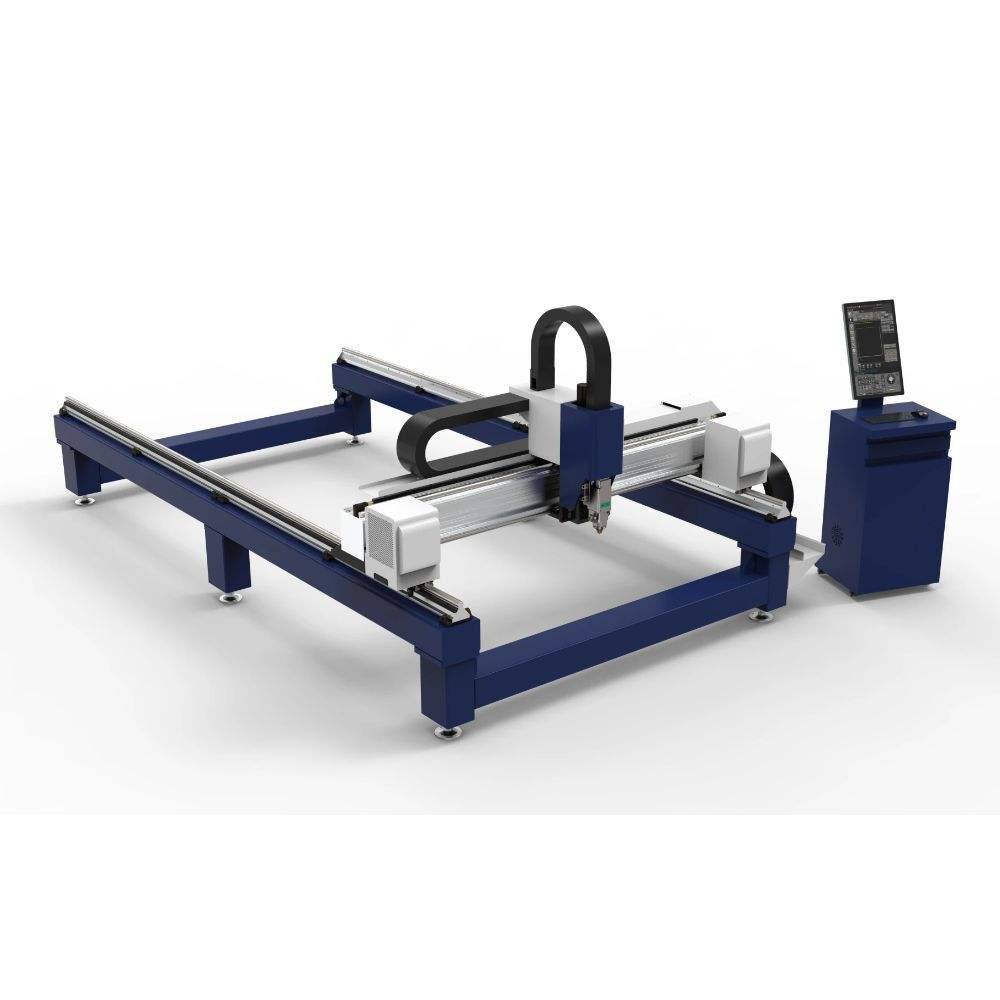
 laser cutting machine” style=”width: 100%; max-width: 800px; height: auto; margin: 20px 0;”>
The Physics of 2kW Fiber Laser Cutting
A 2kW laser system operates by generating a high-intensity beam of light via doped optical fibers. This beam is then delivered to the cutting head through a flexible transport fiber. The wavelength of a fiber laser is typically around 1.06 microns, which is approximately ten times shorter than that of a CO2 laser. This shorter wavelength allows for better absorption in metallic materials, particularly carbon steel.
In the context of laser cutting, the 2kW power rating refers to the continuous wave (CW) output power. When this energy is focused into a spot size of approximately 100 to 150 microns, the power density becomes immense. This density is sufficient to instantaneously melt and vaporize carbon steel, which is then ejected from the kerf by a high-pressure assist gas. For engineers in Puebla, understanding this energy transfer is critical for optimizing cycle times and edge quality.
Processing Carbon Steel: Material Dynamics
Carbon steel is the most frequently processed material in the Puebla manufacturing sector, utilized in everything from structural chassis components to intricate bracketry. When using a 2kW system, the interaction between the laser beam and the carbon steel is influenced by the material’s carbon content and surface condition.
Chemical Reactions and Assist Gases
When performing laser cutting on carbon steel, the choice of assist gas is paramount. Oxygen (O2) is the standard choice for thicker sections of carbon steel. The oxygen reacts exothermically with the iron in the steel, adding thermal energy to the cutting process. This allow a 2kW system to cut through 12mm to 16mm carbon steel with relative ease. However, this reaction leaves a thin layer of iron oxide on the cut edge, which may require removal before painting or powder coating.
Alternatively, Nitrogen (N2) can be used for high-pressure “fusion cutting” on thinner gauges (typically up to 3mm or 4mm with a 2kW source). Nitrogen acts as a shielding gas, preventing oxidation and resulting in a clean, bright edge. While this requires more pressure and higher flow rates, it eliminates secondary cleaning processes, which is a significant advantage for Puebla-based manufacturers aiming for Lean production standards.
Heat-Affected Zone (HAZ) Management
One of the primary concerns for precision engineering is the Heat-Affected Zone. Carbon steel is susceptible to metallurgical changes when exposed to high heat. A 2kW fiber laser, characterized by its high speed and concentrated energy, minimizes the time the material spends at elevated temperatures. This results in a much narrower HAZ compared to plasma cutting or CO2 laser cutting, ensuring that the mechanical properties of the steel—such as hardness and ductility—remain largely unchanged near the cut path.
The Industrial Context: Why Puebla?
Puebla’s strategic location and its status as home to major OEMs like Volkswagen de México and Audi Mexico create a unique ecosystem for 2kW laser systems. The supply chain demands high repeatability and strict adherence to tolerances (often within +/- 0.1mm).
Automotive Integration
The 2kW system is ideal for the production of automotive structural reinforcements, seat frames, and specialized tooling. In Puebla, where just-in-time (JIT) manufacturing is the standard, the reliability of a fiber laser is indispensable. Unlike older technologies, the solid-state nature of a 2kW fiber source means there are no internal mirrors to align or discharge tubes to replace, leading to uptime figures often exceeding 98%.
Local Environmental Considerations
Puebla sits at an elevation of approximately 2,135 meters above sea level. For laser cutting operations, air density and humidity can impact the efficiency of cooling systems and the purity of assist gases. A precision 2kW system must be equipped with a high-quality dual-circuit chiller to manage the thermal load of both the laser source and the cutting head. In the thinner air of the Puebla highlands, ensuring that the chiller is rated for the altitude is a critical engineering detail that prevents overheating during the summer months.
Operational Parameters for 2kW Systems
To achieve precision in carbon steel, operators must master several key variables. A 2kW system offers a wide “process window,” but fine-tuning is necessary for different grades of steel, such as A36, SAE 1018, or high-strength low-alloy (HSLA) steels.
Cutting Speeds and Thickness
For a 2kW laser, typical cutting speeds for carbon steel are as follows:
- 1mm Thickness: 18 – 25 meters per minute (N2 assist)
- 3mm Thickness: 4 – 6 meters per minute (O2 assist)
- 6mm Thickness: 1.8 – 2.5 meters per minute (O2 assist)
- 12mm Thickness: 0.8 – 1.2 meters per minute (O2 assist)
While the system can cut up to 16mm or even 20mm in some configurations, the “precision” range is generally considered to be 10mm and below. At these thicknesses, the 2kW beam maintains a vertical edge with minimal dreg (slag) at the bottom of the cut.
Nozzle Selection and Focal Position
Precision laser cutting requires the correct nozzle geometry. For carbon steel with oxygen, a single-layer nozzle is typically used to create a laminar flow of gas. The focal position is also critical; for thicker carbon steel, the focus is often set slightly above the material surface to allow the oxygen to penetrate the kerf more effectively. Conversely, for thin-gauge nitrogen cutting, the focus is set at or slightly below the material surface to maximize energy density at the point of impact.
Maintenance and Longevity in Production
For a workshop in Puebla to remain competitive, the total cost of ownership (TCO) must be minimized. The 2kW fiber laser is designed for longevity, with a diode life often exceeding 100,000 hours. However, precision is only maintained through rigorous preventative maintenance.
Optical Path Integrity
The most vulnerable part of the system is the cutting head’s protective window. In the dusty environments common in industrial zones like Cuautlancingo or Xalmimilulco, airborne particulates can contaminate the optics. If dust settles on the lens, the 2kW beam will heat the particle, causing “thermal lensing” or even cracking the optic. Implementing a positive-pressure filtered air system within the laser enclosure is a standard recommendation for Puebla facilities.
Gas Purity
The precision of the cut is directly proportional to the purity of the assist gas. Oxygen for carbon steel should be at least 99.5% pure. Any moisture or hydrocarbons in the gas line can lead to “popping” during the cut, which ruins the edge finish and can damage the nozzle. Local gas suppliers in Puebla are well-versed in providing laser-grade cylinders or bulk tanks to meet these specifications.
Economic Impact and ROI
Investing in a 2kW precision laser system is a significant capital expenditure, but the ROI in the Puebla market is often realized within 18 to 24 months. The speed of fiber laser cutting allows shops to take on more volume, while the precision reduces the need for expensive secondary machining or grinding.
Furthermore, the energy efficiency of fiber lasers is a major factor. A 2kW fiber laser consumes about 15-20kW of total wall-plug power (including the chiller), whereas an equivalent CO2 system would require nearly 60-70kW. In Mexico, where industrial electricity rates can fluctuate, this 70% reduction in power consumption provides a significant competitive edge.
Conclusion
The 2kW precision laser system represents the pinnacle of modern fabrication for carbon steel. For the manufacturing sector in Puebla, it offers a pathway to higher quality, faster turnaround times, and lower operational costs. By understanding the metallurgical requirements of carbon steel and the technical nuances of the fiber laser process, engineers can leverage this technology to meet the rigorous standards of the global automotive and industrial markets. As Puebla continues to grow as a manufacturing powerhouse, the integration of 2kW laser cutting technology will undoubtedly remain a key driver of its industrial success.













