The Evolution of High-Power Fiber Technology: 40kW laser cutting in Puebla
The industrial landscape of Puebla, Mexico, has long been a cornerstone of the nation’s manufacturing prowess. As the home to massive automotive hubs and a growing aerospace sector, the demand for precision, speed, and material versatility has never been higher. The introduction of 40kW fiber laser cutting technology represents a paradigm shift for local fabricators, particularly those working with galvanized steel. While 10kW and 20kW systems were once the gold standard, the 40kW threshold provides a level of throughput that redefines the economics of sheet metal fabrication.
For engineering firms in Puebla, the transition to ultra-high-power laser cutting is not merely about cutting thicker plates; it is about the radical increase in processing speeds for medium-gauge materials and the superior edge quality achieved on difficult-to-process coated metals. Galvanized steel, ubiquitous in the construction, HVAC, and automotive industries of the region, presents unique challenges that are uniquely solved by the sheer energy density of a 40kW beam.
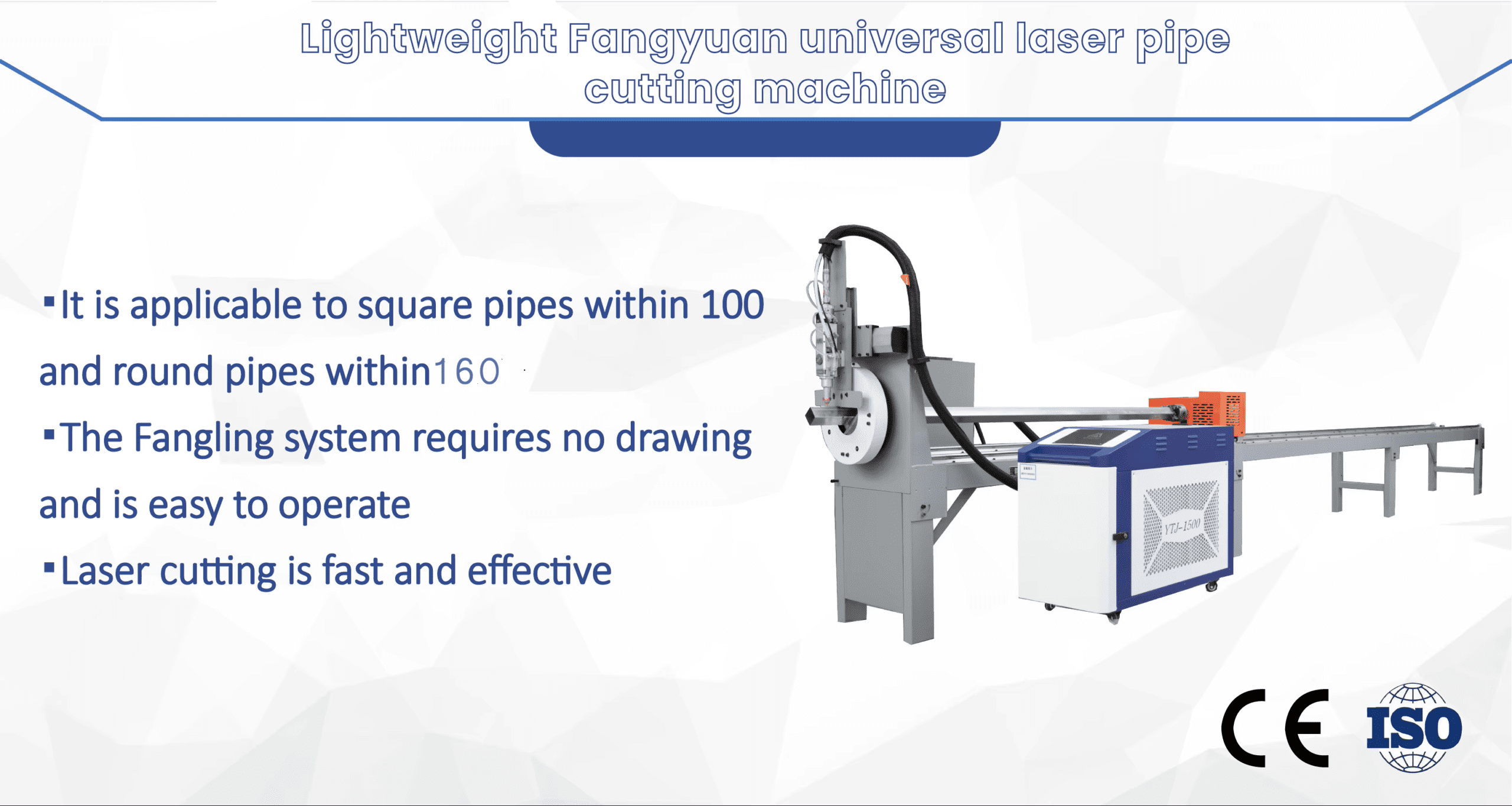
Technical Superiority of 40kW Fiber Lasers
The jump to 40kW is not a linear upgrade; it is a qualitative leap in how light interacts with matter. At this power level, the laser cutting process moves from a traditional melt-and-blow dynamic into a high-speed vaporization zone. This is particularly critical when dealing with galvanized steel. The zinc coating on galvanized sheets has a significantly lower melting and boiling point than the underlying carbon steel. In lower-power systems, this often leads to “spitting” or unstable kerf formation as the zinc vaporizes explosively.
With a 40kW source, the power density is so high that the laser penetrates the material and completes the cut before the thermal energy can conduct into the surrounding zinc layer. This results in a much narrower Heat-Affected Zone (HAZ) and a cleaner edge that often requires zero post-processing. For Puebla’s automotive suppliers, this means parts can move directly from the laser bed to the welding cell or assembly line, significantly reducing lead times.
Processing Galvanized Steel: Challenges and Solutions
Galvanized steel is prized for its corrosion resistance, but it is notoriously difficult for laser cutting. The zinc layer reflects a portion of the laser energy and, more importantly, creates a turbulent environment within the kerf. When the zinc vaporizes, it can interfere with the assist gas flow, leading to dross (slag) attachment on the bottom of the part.
In a 40kW environment, the use of high-pressure nitrogen as an assist gas becomes even more effective. The high power allows for much faster feed rates, which means the nitrogen spends less time in contact with the molten edge, preventing oxidation while effectively “sweeping” the vaporized zinc away. Furthermore, 40kW systems often utilize advanced beam shaping technology, allowing operators in Puebla to adjust the beam’s energy distribution to optimize the cut for different coating thicknesses, whether it be G60, G90, or specialty Galvannealed products.

Economic Impact on Puebla’s Industrial Corridor
The industrial corridor spanning from Puebla to Tlaxcala is characterized by high-volume production. In this environment, the “cost per part” is the ultimate metric of success. A 40kW laser cutting machine can process 6mm to 12mm galvanized steel at speeds three to four times faster than a 12kW system. This speed does not just increase capacity; it reduces the overhead cost associated with every millimeter of the cut.
Moreover, the ability to use compressed air as an assist gas at 40kW for thicker sections of galvanized steel is a game-changer. Traditionally, nitrogen was required to maintain edge quality, but the cost of nitrogen can be prohibitive. The high energy of a 40kW beam allows for “Air Cutting” on gauges that previously required expensive gases, providing a massive competitive advantage for local workshops bidding on large-scale infrastructure projects in central Mexico.
Optimizing Parameters for 40kW Laser Cutting
Operating a 40kW machine requires a sophisticated understanding of laser physics. To achieve the best results on galvanized steel in Puebla’s specific atmospheric conditions (considering the altitude and humidity), several parameters must be finely tuned:
1. Focal Position Management
In 40kW systems, the focal point is much more sensitive. For galvanized steel, a slightly negative focus—where the beam’s narrowest point is inside the material—is often preferred. This helps in widening the kerf slightly at the bottom, allowing the vaporized zinc and molten steel to be ejected more cleanly. Advanced heads now feature auto-focusing mechanisms that adjust in real-time to compensate for any material warping.
2. Nozzle Selection and Gas Pressure
The nozzle is the final point of contact for the assist gas. For high-power laser cutting, double-layered nozzles or high-speed nozzles are essential. These designs stabilize the gas flow and prevent turbulence. When cutting galvanized sheets, maintaining a consistent gas pressure (often between 12 and 18 bars of Nitrogen) is vital to ensure the zinc does not “cloud” the cut path, which could lead to beam scattering and poor edge quality.
3. Piercing Strategies
Piercing is often where most time is lost and where the most damage to the protective windows occurs. 40kW lasers utilize “flash piercing” or “intelligent piercing” routines. Instead of a slow ramp-up of power, the machine delivers a high-frequency burst that creates a clean hole in milliseconds. This minimizes the amount of zinc splatter that can fly back toward the laser head, extending the life of the consumables.
Safety and Environmental Considerations in Puebla
The use of 40kW lasers brings specific safety requirements. The intensity of the scattered radiation is significantly higher than that of lower-power units. All 40kW laser cutting installations in Puebla must adhere to strict Class 4 laser safety standards, requiring fully enclosed housing with certified laser-safe glass.
Furthermore, cutting galvanized steel produces zinc oxide fumes. These fumes are toxic if inhaled and can cause “metal fume fever.” A robust dust extraction and filtration system is non-negotiable. For a 40kW system, the volume of material being vaporized is much higher than that of a 10kW system, meaning the filtration unit must have a higher CFM (Cubic Feet per Minute) rating and high-efficiency particulate air (HEPA) filters to ensure the air quality within the Puebla facility remains within STPS (Secretaría del Trabajo y Previsión Social) regulations.
Maintenance Protocols for High-Power Systems
To maintain the precision required for automotive and aerospace components, a 40kW fiber laser requires a rigorous maintenance schedule. The primary focus is the optical path. Even a microscopic speck of dust on the protective window can be instantly carbonized by the 40kW beam, leading to a “thermal lens” effect or, worse, damage to the internal optics.
In the dusty environments often found near industrial zones in Puebla, cleanroom-standard procedures for changing consumables are necessary. Additionally, the chiller system for a 40kW laser is a massive industrial component in its own right. It must maintain the laser source and the cutting head within a very narrow temperature range. Any fluctuation can cause the beam wavelength to shift slightly, affecting the laser cutting quality on reflective galvanized surfaces.
The Future of Fabrication in Mexico
As Puebla continues to attract international investment, the local supply chain must evolve. The adoption of 40kW laser cutting technology is a clear signal that Mexican fabricators are moving toward “Industry 4.0” standards. These machines are often equipped with AI-driven monitoring systems that predict component failure and optimize cutting paths in real-time, reducing waste—a critical factor when the price of galvanized steel fluctuates.
The integration of 40kW lasers also opens the door to processing thicker materials that were previously the domain of plasma cutting. While plasma is effective, it cannot match the +/- 0.05mm tolerance of a fiber laser. By offering laser-level precision on 20mm, 30mm, and even 50mm plates, Puebla’s machine shops can take on more complex engineering projects that were previously outsourced to the United States or Europe.
Conclusion
The 40kW sheet metal laser is more than just a tool; it is a catalyst for industrial growth in Puebla. By mastering the complexities of laser cutting galvanized steel at these extreme power levels, local manufacturers can achieve unprecedented levels of efficiency and quality. As the technology continues to mature, the gap between traditional fabrication and high-power fiber processing will only widen, leaving those who invest today at the forefront of Mexico’s manufacturing future.
Whether it is for the structural frames of new commercial developments in Angelópolis or precision components for the next generation of electric vehicles produced in the region, the 40kW fiber laser stands as the pinnacle of modern production. For the engineers and business owners of Puebla, the message is clear: the power to dominate the market lies in the precision of the beam.













