The Rise of 4kW Fiber laser cutting in Monterrey’s Industrial Sector
Monterrey, Nuevo León, has long been recognized as the industrial heart of Mexico. As the “Sultan of the North,” the city hosts a massive concentration of automotive, HVAC, and construction manufacturing facilities. In recent years, the shift toward “nearshoring” has accelerated the demand for high-precision metal fabrication. Central to this technological evolution is the 4kW fiber laser cutting machine, a tool that has become the gold standard for processing galvanized steel—a material ubiquitous in Monterrey’s primary industries.
The 4kW power rating represents a strategic “sweet spot” for regional manufacturers. It offers enough energy to maintain high throughput on thin-to-medium gauges while remaining energy-efficient compared to higher-wattage alternatives. When dealing with galvanized steel, the precision of a fiber laser is unmatched, providing clean edges and minimal heat-affected zones (HAZ) that are critical for downstream assembly and welding processes.
Understanding the 4kW Fiber Laser Advantage
Fiber laser technology utilizes a solid-state gain medium, as opposed to the gas mixtures used in older CO2 lasers. The 1.06-micron wavelength of a fiber laser is absorbed more efficiently by metals, particularly reflective ones. For a 4kW system, this translates to exceptional cutting speeds. In the context of Monterrey’s fast-paced production lines, the ability to cut through 3mm to 5mm galvanized sheets at speeds exceeding 15 meters per minute is a significant competitive advantage.
Beyond speed, the 4kW fiber laser cutting process offers superior beam quality. The high power density allows for a narrower kerf, which means less material waste and the ability to cut intricate geometries that would be impossible with mechanical shearing or plasma cutting. For local manufacturers producing electrical cabinets or complex HVAC ducting, this precision reduces the need for secondary finishing operations.
The Challenges of Cutting Galvanized Steel
Galvanized steel is carbon steel coated with a layer of zinc to prevent corrosion. While excellent for longevity, this coating introduces specific challenges during the laser cutting process. Zinc has a much lower melting point (approx. 419°C) than the underlying steel (approx. 1500°C). When the laser beam hits the surface, the zinc vaporizes rapidly, which can interfere with the stability of the cutting process.
One of the primary issues is “spatter” or “dross.” As the zinc vaporizes, it can create a turbulent environment in the cut path, leading to molten metal adhering to the bottom of the sheet. Furthermore, the vaporized zinc can potentially damage the laser optics if the machine is not equipped with proper pressurized gas systems and protective windows. In Monterrey’s humid summers, these metallurgical reactions can be even more pronounced, requiring precise calibration of the machine’s parameters.
Optimizing Parameters for Galvanized Material
To achieve a clean cut on galvanized steel with a 4kW fiber laser, operators must balance three critical factors: gas selection, nozzle design, and focal position. Nitrogen is the preferred assist gas for galvanized steel. Unlike oxygen, which creates an exothermic reaction that can lead to “over-burning” of the zinc coating, nitrogen acts as a cooling agent and mechanical force, blowing the molten material out of the kerf without causing oxidation. This results in a silver, weld-ready edge.
The focal position is also adjusted differently than with standard carbon steel. Often, a “negative focus” (where the beam’s narrowest point is slightly below the material surface) is used to widen the kerf slightly, allowing the high-pressure nitrogen to evacuate the vaporized zinc more effectively. A 4kW power level provides sufficient “headroom” to maintain these high gas pressures without sacrificing the speed required for high-volume Monterrey contracts.
Integration into Monterrey’s Supply Chain
The industrial ecosystem in Monterrey relies heavily on Just-In-Time (JIT) manufacturing. Companies supplying global giants like Tesla, Kia, or Carrier demand components that meet strict tolerances. A 4kW laser cutting machine allows local shops to transition from being simple parts suppliers to high-tier integrated partners. The repeatability of fiber laser technology ensures that the first part cut in the morning is identical to the thousandth part cut at the end of the shift.
Furthermore, the maintenance infrastructure in Monterrey has evolved to support fiber technology. Unlike CO2 lasers that required complex mirror alignments and frequent gas refills, fiber lasers are largely “plug-and-play” with modular components. This high uptime is essential for Monterrey’s 24/7 manufacturing cycles, where downtime can cost thousands of dollars per hour in lost productivity.

Material Thickness and Capacity
While a 4kW laser can cut up to 22mm of carbon steel, its performance on galvanized steel is usually optimized for the 0.5mm to 6mm range. In this bracket, the 4kW source provides a perfect balance of edge quality and velocity. For the construction industry in Nuevo León, which uses heavy-gauge galvanized beams and plates, the 4kW machine offers the versatility to handle both thin decorative cladding and structural components on the same bed.
It is also worth noting that many 4kW machines in the region are now being configured with “shuttle tables.” This allows an operator to load a new sheet of galvanized steel while the machine is still cutting on the other table. In a high-labor-cost environment, maximizing the “beam-on” time is the most effective way to improve the Return on Investment (ROI) of the equipment.
Essential Components of a High-Performance Machine
For a 4kW fiber laser cutting system to perform reliably in an industrial environment like Monterrey, several key components must work in harmony. The laser source (often from manufacturers like IPG, nLIGHT, or Raycus) is the heart of the system, but the cutting head is the “business end” that determines the final quality. Modern autofocus cutting heads are essential for galvanized steel, as they can rapidly adjust to slight variations in sheet flatness, preventing nozzle collisions.
The Importance of Fume Extraction
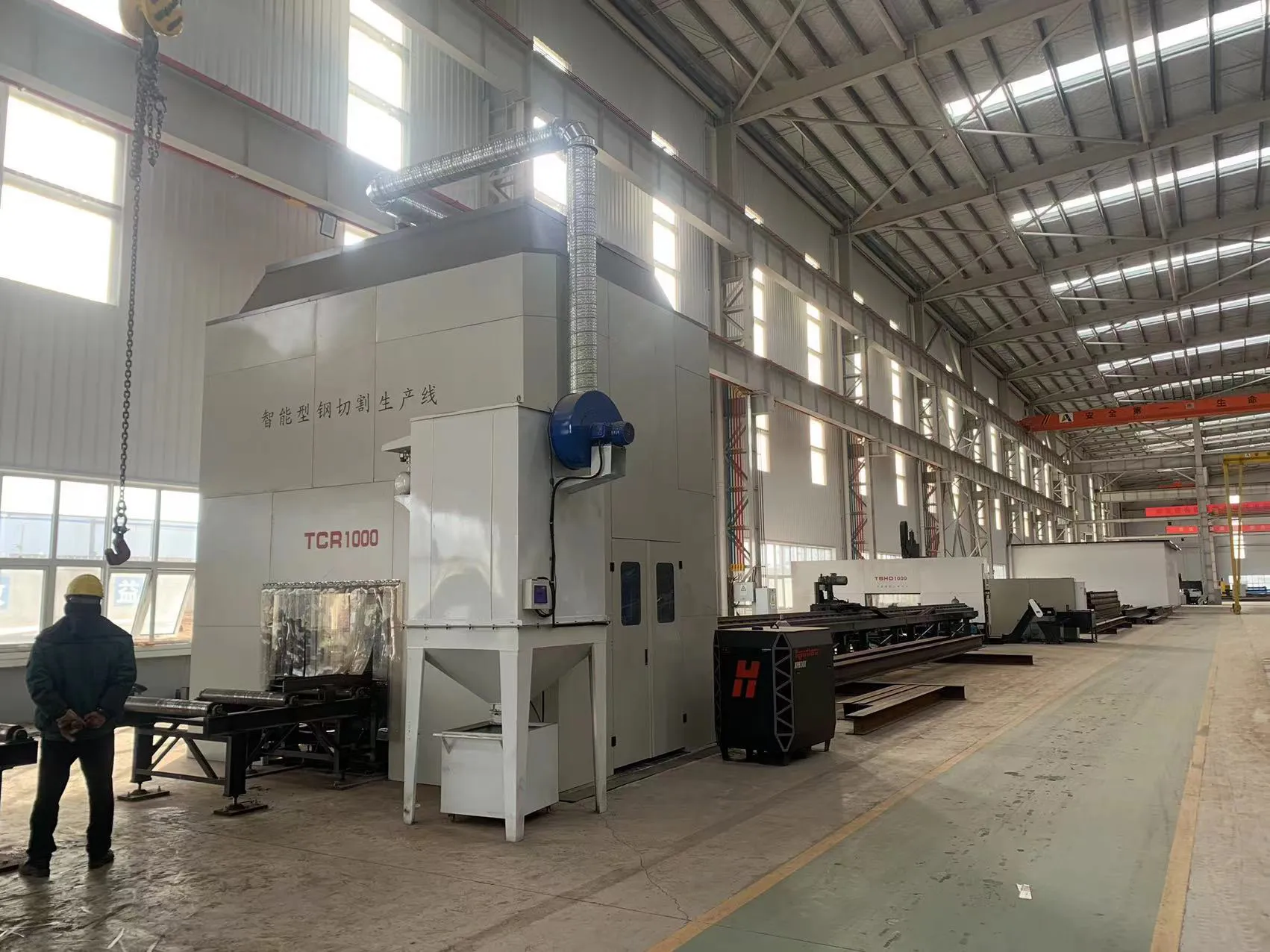
A critical, yet often overlooked, component when processing galvanized steel is the filtration and extraction system. Vaporized zinc produces zinc oxide fumes, which are toxic if inhaled and can cause “metal fume fever.” In compliance with Mexican STPS (Secretaría del Trabajo y Previsión Social) regulations, Monterrey shops must utilize high-capacity dust collectors with HEPA filtration. A robust extraction system not only protects the health of the operators but also prevents the accumulation of fine dust on the machine’s precision linear guides and racks.
Software and CNC Control
The “intelligence” of the machine lies in its CNC controller and nesting software. For galvanized steel, nesting software that incorporates “lead-in” and “lead-out” optimizations is vital to prevent heat buildup at the start and end of a cut. Advanced controllers also feature “fly-cutting” capabilities, where the laser head moves in a continuous path across a grid of holes without stopping, drastically reducing the processing time for perforated galvanized panels often used in Monterrey’s architectural projects.
Economic Impact and ROI for Local Manufacturers
Investing in a 4kW fiber laser cutting machine is a significant capital expenditure, typically ranging from $100,000 to $250,000 USD depending on the configuration. However, for a Monterrey-based metal center, the ROI is often realized within 18 to 24 months. The primary drivers of this ROI are the reduction in secondary processing, lower electricity consumption (fiber lasers are 3x more efficient than CO2), and the ability to take on higher-margin work.
As Monterrey continues to grow as a global manufacturing hub, the transition to fiber laser technology is no longer optional—it is a requirement for survival. The ability to process galvanized steel with speed, precision, and safety allows local companies to compete on a global scale, ensuring that “Made in Mexico” remains synonymous with high quality.
Maintenance and Local Support
The harsh industrial environment of Monterrey, characterized by high ambient temperatures and occasional dust storms, necessitates a rigorous maintenance schedule. Owners of 4kW laser cutting machines should prioritize chiller maintenance, ensuring the deionized water remains at the correct temperature to cool the laser source and cutting head. Local technical support in Nuevo León has matured, with many distributors offering 24-hour response times, which is crucial for maintaining the lean manufacturing workflows prevalent in the region.
Conclusion: The Future of Metal Fabrication in Monterrey
The 4kW fiber laser cutting machine represents the pinnacle of current fabrication technology for the galvanized steel market. Its combination of power, precision, and efficiency aligns perfectly with the needs of Monterrey’s diverse industrial base. By mastering the nuances of zinc-coated materials—from gas pressures to fume extraction—manufacturers in the region can continue to lead the North American market in production excellence.
As we look toward the future, the integration of AI-driven monitoring and automated loading systems will further enhance the capabilities of these machines. For now, the 4kW fiber laser remains the workhorse of the Monterrey workshop, turning raw galvanized sheets into the components that build our modern world.













