The Industrial Landscape of Queretaro and Tube Laser Technology
Queretaro has established itself as the epicenter of Mexico’s advanced manufacturing sector. With a robust presence in the aerospace, automotive, and appliance industries, the demand for precision metal fabrication has never been higher. Among the various technologies driving this industrial revolution, the 1.5kW tube laser cutting system stands out as a versatile and efficient solution for processing non-ferrous metals, particularly brass. As workshops in industrial parks like El Marqués and Balvanera transition from traditional mechanical sawing to automated solutions, understanding the technical nuances of fiber laser technology becomes paramount for maintaining a competitive edge in the Bajío region.
The 1.5kW power rating is often considered the “sweet spot” for many medium-scale enterprises. It offers a balance between capital investment and operational capability, especially when dealing with thin to medium-walled tubing. In the context of laser cutting, the transition to fiber sources has enabled the processing of highly reflective materials that were previously difficult or impossible to handle with older CO2 technology.
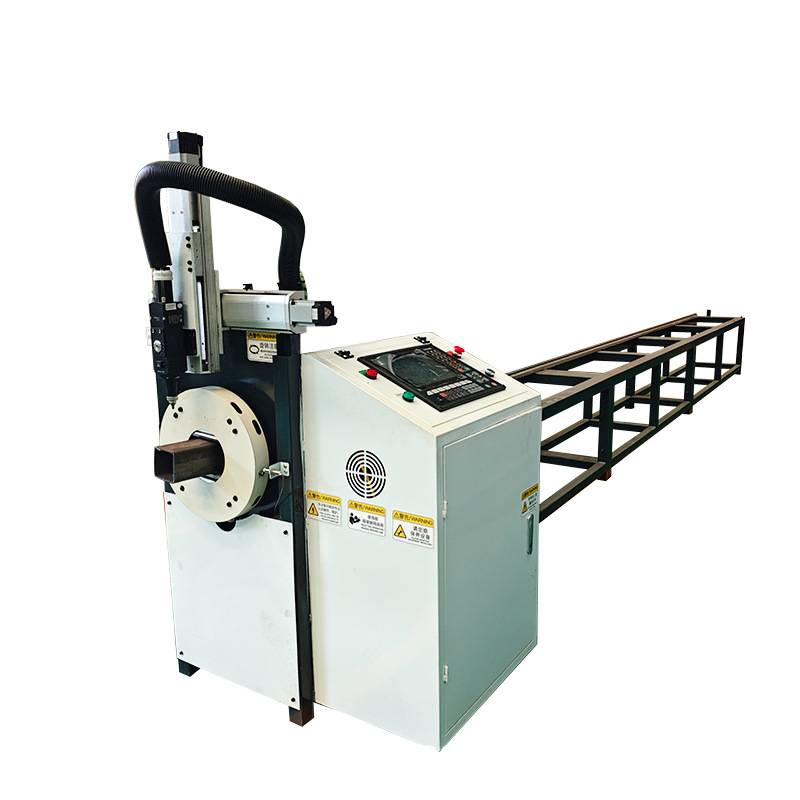
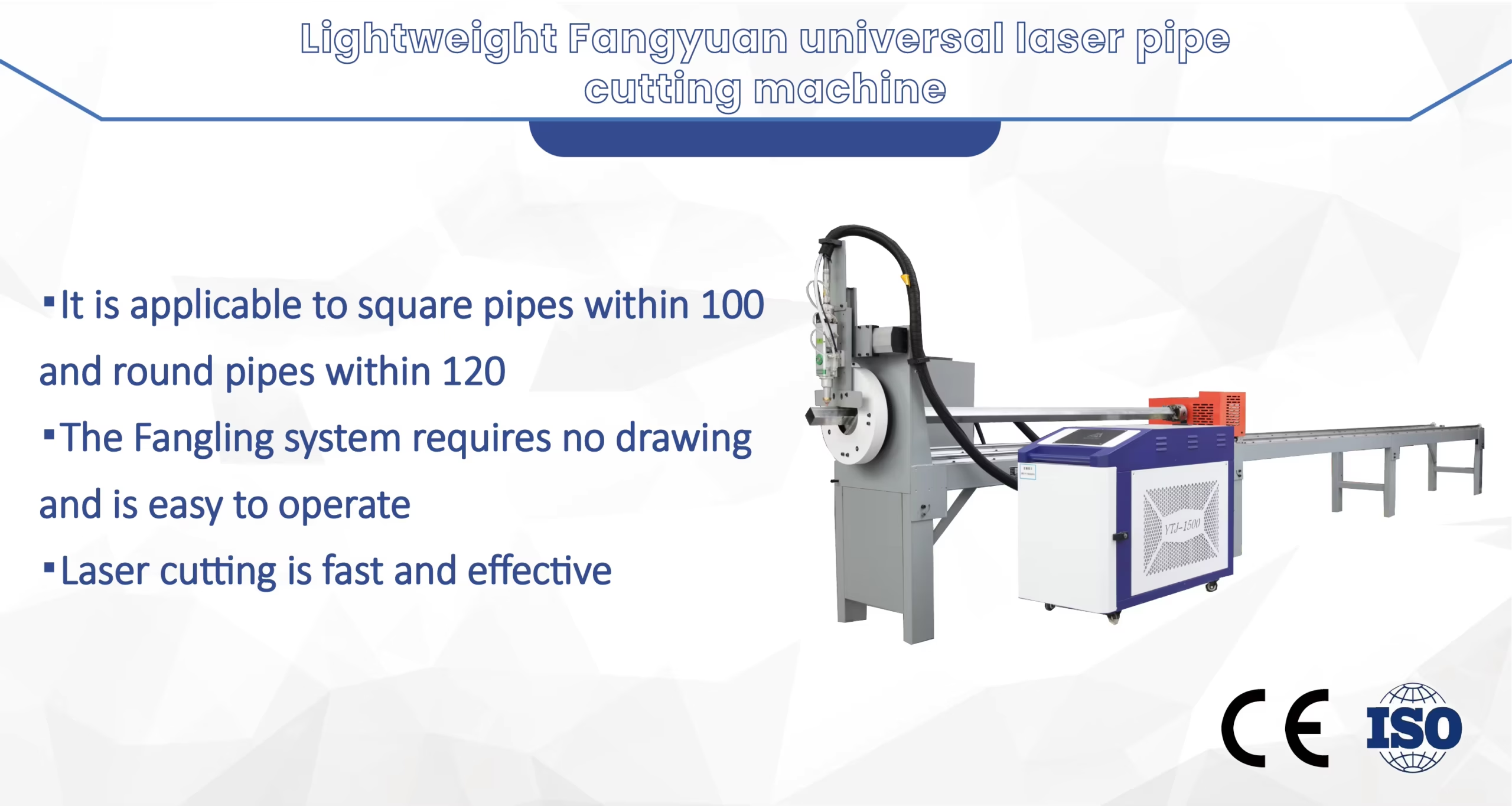 laser cutting machine” style=”width: 100%; max-width: 800px; height: auto; margin: 20px 0;”>
Technical Specifications of the 1.5kW Fiber Laser Source
A 1.5kW fiber laser utilizes an active optical fiber as the gain medium, doped with rare-earth elements such as ytterbium. The resulting beam has a wavelength of approximately 1.06 micrometers. This short wavelength is critical when working with brass, as the absorption rate is significantly higher compared to the 10.6-micrometer wavelength of CO2 lasers. For engineers in Queretaro’s precision sectors, this means more energy is transferred into the material and less is reflected back into the optics.
Beam Quality and Focus
The beam quality, often measured by the M2 factor, determines how tightly the laser can be focused. A 1.5kW source typically provides a high-quality beam that allows for a very small spot size. This results in a high power density at the focal point, which is essential for initiating the melt in brass. Because brass has high thermal conductivity, the laser cutting process must deliver energy faster than the material can dissipate it into the surrounding tube wall.
Material Science: Challenges of Cutting Brass Alloys
Brass, an alloy of copper and zinc, presents unique challenges in thermal processing. Its high reflectivity and high thermal diffusivity require specific strategies to ensure a clean cut without damaging the machine’s internal components. In the Queretaro manufacturing hub, where brass is often used for decorative architectural elements, electrical components, and fluid handling systems, achieving a burr-free finish is a standard requirement.
Managing Back-Reflection
One of the primary risks when laser cutting brass is back-reflection. Because brass is highly reflective in its solid state, a portion of the laser energy can bounce back through the delivery fiber and damage the laser diode modules. Modern 1.5kW systems, such as the MAK series, are equipped with back-reflection isolators and protective sensors that shut down the beam if dangerous levels of reflected light are detected. This safety feature is vital for high-uptime environments in Mexican industrial sectors.
Thermal Conductivity and Kerf Width
Brass conducts heat rapidly. During the laser cutting process, the heat-affected zone (HAZ) can expand if the cutting speed is too slow. A 1.5kW system provides sufficient power to maintain high feed rates on typical tube wall thicknesses (1mm to 3mm), ensuring that the energy is concentrated and the kerf remains narrow and precise. This precision is essential for tubes that will later undergo automated assembly or high-quality brazing.
Operational Parameters for 1.5kW Brass Processing
Optimizing a 1.5kW tube laser for brass requires a meticulous approach to parameter setting. Engineers must balance power, speed, gas pressure, and focal position to achieve the desired edge quality.
Assist Gas Selection: Nitrogen vs. Oxygen
For brass, Nitrogen is the preferred assist gas. It acts as a shielding agent, preventing oxidation of the cut edge and blowing the molten metal out of the kerf. This results in a bright, clean finish that often requires no secondary processing. High-pressure Nitrogen (typically between 12 and 18 bar) is necessary to overcome the surface tension of the molten brass. While Oxygen can be used to increase cutting speed through an exothermic reaction, it often leaves a dark oxide layer on the brass, which is usually undesirable for aesthetic or electrical applications common in Queretaro’s workshops.
Focal Position and Nozzle Geometry
When laser cutting brass with a 1.5kW source, the focal point is generally set slightly below the surface of the material or at the center of the wall thickness. This ensures that the kerf is wide enough at the bottom to allow the assist gas to eject the dross effectively. Nozzle selection is equally important; a double-layer nozzle or a high-speed nozzle design helps in stabilizing the gas flow, reducing turbulence that could cause “striations” or rough edges on the tube.
Machine Configuration: The MAK Series in Queretaro
The physical configuration of the tube laser is as important as the laser source itself. Machines like the MAK120 or MAK160 are designed to handle the specific vibrations and mechanical stresses associated with high-speed laser cutting. In the high-altitude environment of Queretaro (approx. 1,800 meters above sea level), cooling systems must be robust to handle the thinner air and maintain the laser source at a constant operating temperature.
Pneumatic Chucks and Support Systems
Tube cutting involves rotating the workpiece at high speeds. Precision pneumatic chucks are required to hold the brass tubing without deforming it, especially since brass is softer than stainless steel. Automatic centering and support rollers prevent “tube whip” and sagging, which are the leading causes of dimensional inaccuracies in long-form laser cutting projects. For Queretaro’s automotive suppliers, where tolerances are often measured in microns, these mechanical features are non-negotiable.
Software and Nesting Optimization
Modern tube lasers utilize specialized CAD/CAM software to optimize material usage. In a region where raw material costs for brass can fluctuate, minimizing scrap is key to profitability. Advanced nesting algorithms can “common-line” cut adjacent parts, reducing the total path the laser head must travel and saving both time and assist gas. This level of automation is what allows small to medium shops in the Bajío area to compete with larger international firms.
Maintenance and Safety Protocols
Operating a 1.5kW fiber laser in an industrial setting requires a disciplined maintenance schedule. The “yellow metals” produce a fine dust during the laser cutting process that can be more abrasive and conductive than steel dust. High-efficiency dust extraction systems are mandatory to protect both the machine’s linear guides and the health of the operators.
Optical Cleanliness
The protective window (cover glass) of the laser head must be inspected daily. Any speck of dust or brass splatter that settles on the lens can absorb laser energy, leading to thermal distortion or “lens burn-through.” In the dusty environments sometimes found in industrial zones, maintaining a positive pressure of clean air within the cutting head is a critical preventative measure.
Safety Standards in Mexico
Compliance with NOM (Normas Oficiales Mexicanas) and international safety standards is essential. A 1.5kW fiber laser is a Class 4 laser product, meaning the beam and its reflections are hazardous to eyes and skin. Fully enclosed machine designs with laser-safe viewing windows are standard for the MAK series, ensuring that Queretaro’s workforce remains safe while operating high-power equipment.
Economic Impact and Future Outlook
The integration of 1.5kW tube laser cutting technology is transforming the manufacturing capabilities of Queretaro. By reducing lead times from days to minutes, local companies can respond faster to the “just-in-time” requirements of the aerospace and automotive sectors. Brass, once a difficult material to automate, is now a routine part of the production cycle.
As we look toward the future, the combination of high-efficiency fiber sources and intelligent automation will continue to drive down the cost per part. For the engineering community in Queretaro, mastering the 1.5kW tube laser is not just about adopting a new tool; it is about embracing a higher standard of precision and productivity that will define the next decade of Mexican industry.
Conclusion
Whether it is for the intricate components of a heat exchanger or the decorative finish of a high-end architectural project, the 1.5kW tube laser offers the perfect intersection of power and precision for brass. By understanding the material’s unique thermal properties and leveraging the advanced features of modern laser cutting systems, manufacturers in Queretaro are well-positioned to lead the way in non-ferrous metal fabrication.













