Optimizing 1.5kW Fiber laser cutting for Carbon Steel in Guadalajara’s Industrial Sector
The manufacturing landscape in Guadalajara, often referred to as the “Silicon Valley of Mexico,” has undergone a significant transformation over the last decade. While the region is famous for its electronics and software prowess, the underlying metalworking industry provides the essential infrastructure for automotive, aerospace, and construction sectors. At the heart of this industrial backbone is the 1.5kW fiber laser cutting machine. This specific power rating has emerged as the “sweet spot” for small to medium-sized enterprises (SMEs) in Jalisco, offering a perfect balance between capital investment, operational cost, and high-precision output on carbon steel.
As Guadalajara continues to integrate into the global supply chain, the demand for precision-engineered components made from carbon steel—such as A36, 1018, and high-strength low-alloy (HSLA) steels—has surged. The 1.5kW fiber laser provides the necessary versatility to handle these materials with a level of efficiency that traditional CO2 lasers or plasma cutters cannot match. This guide explores the technical nuances, operational strategies, and regional considerations for maximizing the performance of 1.5kW laser cutting systems in the Guadalajara market.
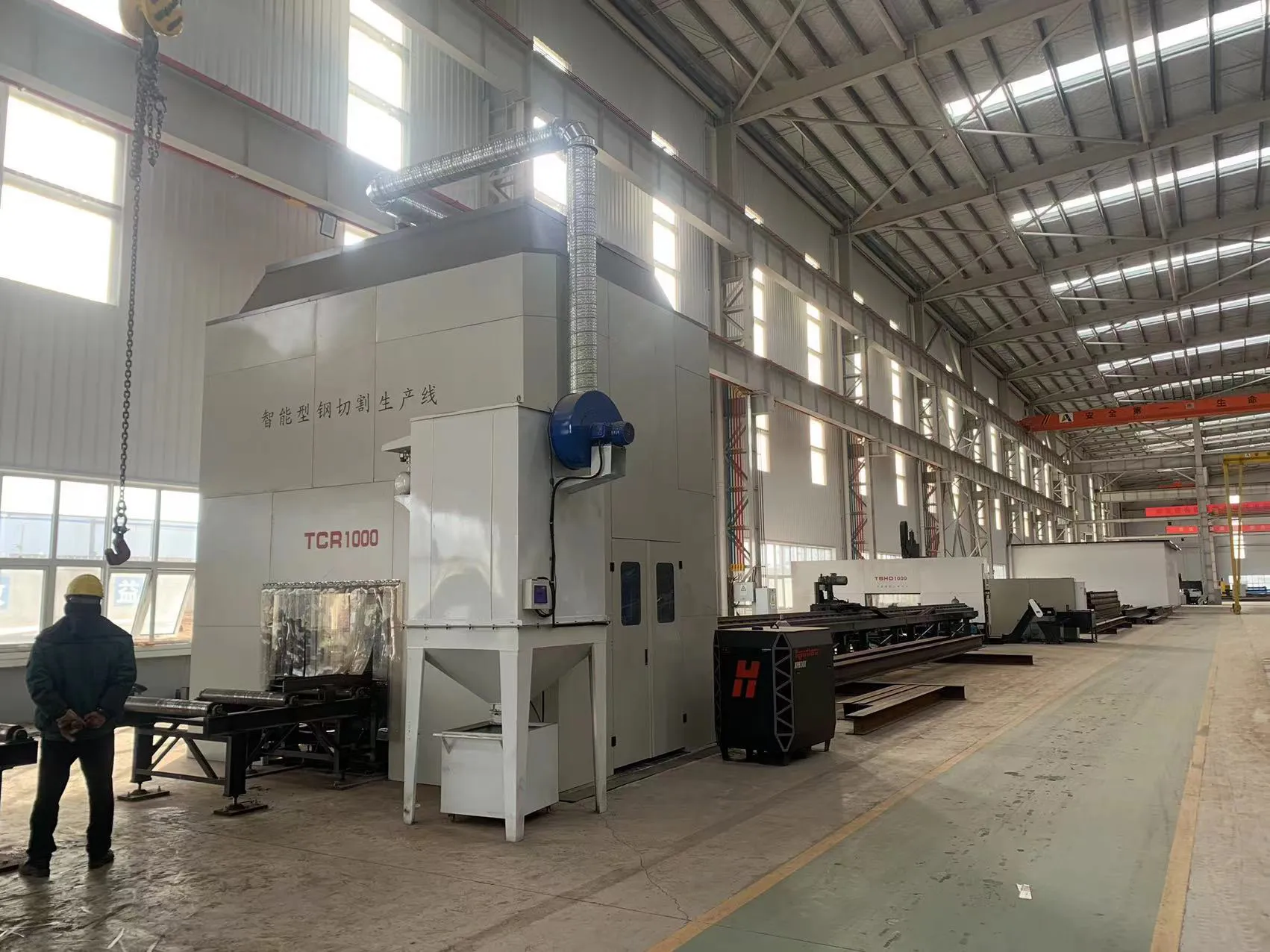
The Technical Advantage of 1.5kW Fiber Technology
The 1.5kW fiber laser operates at a wavelength of approximately 1.07 microns. This wavelength is significantly more efficient than the 10.6 microns of a CO2 laser when it comes to absorption rates in metallic materials, particularly carbon steel. When the beam hits the surface of the carbon steel, the energy is absorbed more rapidly, leading to a faster transition from solid to molten state. For a 1.5kW system, this translates to exceptional performance in the 1mm to 6mm thickness range, which constitutes the bulk of sheet metal fabrication in the region.
In the context of laser cutting, power density is more critical than raw wattage. A 1.5kW beam can be focused into a incredibly small spot size, often less than 100 microns. This high power density allows for narrow kerf widths, which minimizes material waste and enables the creation of intricate geometries that would be impossible with mechanical shearing or punching. For Guadalajara-based shops supplying the electronics industry, this precision is vital for creating enclosures, brackets, and heat sinks that require tight tolerances.
Material Focus: Processing Carbon Steel in Jalisco
Carbon steel is the most commonly processed material in the Mexican Bajío region due to its cost-effectiveness and structural integrity. However, not all carbon steel is created equal. The surface condition—whether it is hot-rolled, cold-rolled, or pickled and oiled—drastically affects the laser cutting process. In Guadalajara, where humidity can fluctuate significantly between the dry season and the monsoon season, surface oxidation (rust) is a constant concern for fabricators.
When working with a 1.5kW laser, clean material is paramount. Hot-rolled steel with a thick scale layer can cause beam reflection or inconsistent penetration. Local engineers often prefer Pickled and Oiled (P&O) steel to ensure a consistent surface finish. If using standard A36 hot-rolled plate, it is essential to adjust the focal position slightly deeper into the material to ensure the energy penetrates the scale layer effectively. The 1.5kW threshold is particularly effective for carbon steel up to 12mm for occasional cuts, but for high-volume production, the 3mm to 8mm range is where the machine achieves its highest ROI.
Operational Parameters and Gas Selection
The choice of assist gas is a defining factor in the quality of the laser cutting edge. For carbon steel, the industry standard is Oxygen (O2). The oxygen acts as an exothermic reactant; it reacts with the molten iron to generate additional heat, which assists the 1.5kW beam in slicing through thicker sections. This allows for faster cutting speeds compared to inert gases like Nitrogen when dealing with carbon steel.
However, the use of Oxygen results in an oxidized edge—a thin layer of black scale. For many structural applications in Guadalajara’s construction sector, this is acceptable. However, if the parts are destined for the automotive paint lines in nearby Guanajuato or Aguascalientes, this oxide layer must be removed, or the paint will not adhere. In such cases, operators may choose to use Nitrogen at high pressures, though this requires more power. With a 1.5kW source, cutting carbon steel with Nitrogen is generally limited to thinner gauges (under 3mm) to maintain a “bright” or oxide-free edge.
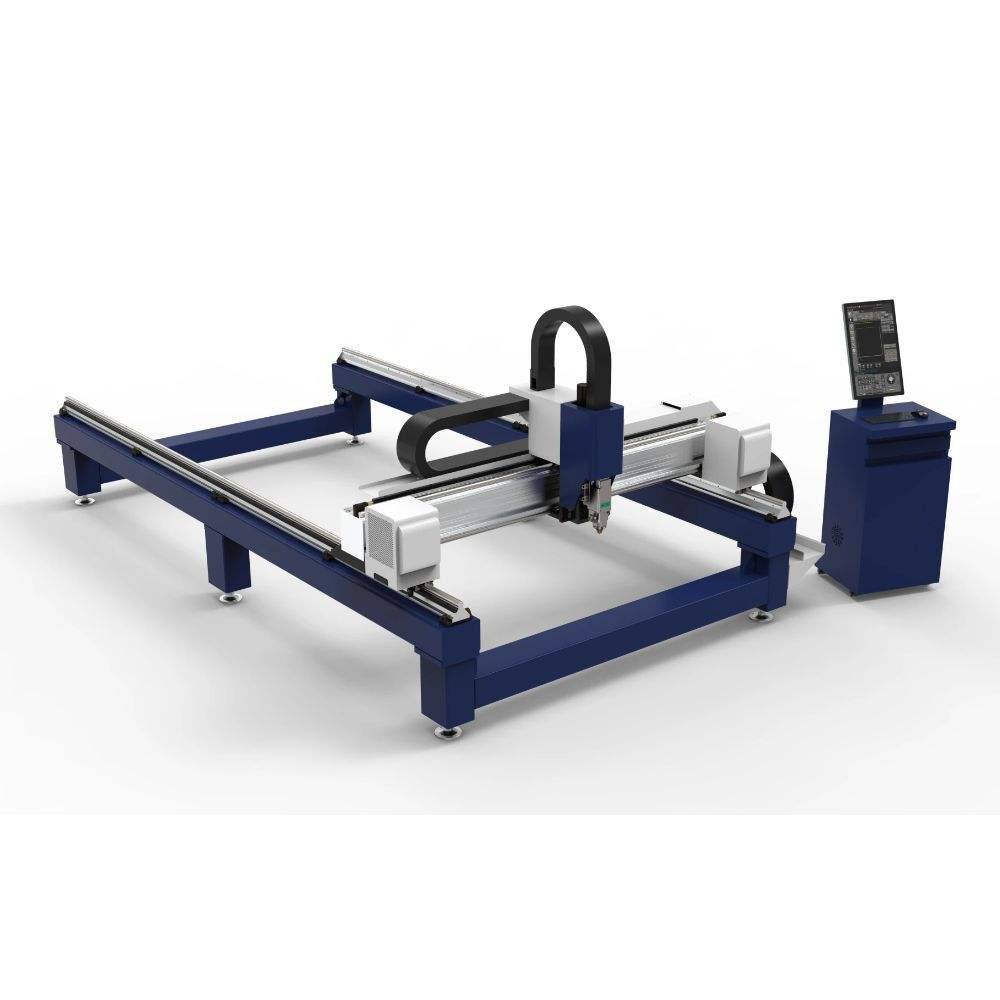
Environmental and Infrastructure Considerations in Guadalajara
Operating high-tech machinery in Guadalajara presents unique environmental challenges. The city sits at an altitude of approximately 1,566 meters (5,138 feet) above sea level. While altitude has a more pronounced effect on CO2 lasers (due to gas mix density), fiber lasers are largely unaffected. However, the cooling systems (chillers) must be rated for the local ambient temperature. During the “Canícula” or peak heat weeks, indoor shop temperatures can rise significantly, putting stress on the laser source’s thermal management system.
Furthermore, the stability of the electrical grid is a critical factor. Fiber lasers are sensitive to voltage fluctuations. Engineering teams in Jalisco highly recommend the installation of a dedicated voltage regulator and a robust grounding system. A 1.5kW laser is an investment in precision; protecting the sensitive diodes and the CNC controller from the “ruido eléctrico” (electrical noise) common in industrial zones like El Salto or Zapopan is essential for long-term reliability.
Maximizing Productivity: Nesting and Software
The efficiency of laser cutting is not just determined by the speed of the head, but by the intelligence of the software. Modern 1.5kW machines are typically paired with advanced nesting software (such as CypCut or SigmaNEST). In the Guadalajara market, where material costs for imported steel can be volatile, maximizing sheet utilization is the difference between profit and loss.
Common-line cutting is a technique where two parts share a single cut path. This reduces the total cutting time and gas consumption. Additionally, “leap-frogging” or high-speed head movements between cuts can shave seconds off every cycle. For a job shop in Guadalajara processing hundreds of carbon steel brackets a day, a 10% improvement in nesting efficiency can result in thousands of pesos saved monthly in material and gas costs.
Maintenance Protocols for the 1.5kW System
To maintain peak performance in carbon steel laser cutting, a rigorous maintenance schedule is required. The primary focus should be on the optical path and the cutting head. Even though fiber lasers use a sealed cable to deliver the beam, the protective window (cover glass) is exposed to the harsh environment of the cutting zone.
- Daily: Inspect the protective window for dust or “spatter” from carbon steel piercing. A single speck of dust can absorb laser energy, heat up, and crack the lens.
- Weekly: Clean the slat bed. Slag buildup can reflect laser energy back into the head or cause the sheet to sit unevenly, affecting the focus.
- Monthly: Check the chiller fluid levels and conductivity. Fiber lasers require deionized water to prevent internal corrosion and ensure efficient heat transfer from the diodes.
- Quarterly: Calibrate the capacitive height sensor. Carbon steel can warp slightly during the laser cutting process due to heat; a responsive height sensor prevents the nozzle from colliding with the material.
Conclusion: The Future of Metal Fabrication in Jalisco
The adoption of 1.5kW fiber laser cutting technology represents a significant step forward for the manufacturing ecosystem in Guadalajara. By providing a tool that is both powerful enough to handle structural carbon steel and precise enough for high-tech components, local fabricators can compete on a global stage. The transition to this technology allows shops to reduce lead times, improve edge quality, and lower their environmental footprint compared to older, less efficient methods.
As the “Nearshoring” trend continues to bring more manufacturing from Asia to North America, Guadalajara is perfectly positioned to capture this growth. Investing in a 1.5kW sheet metal laser is not just about buying a machine; it is about adopting a standard of precision that meets the rigorous demands of modern engineering. With the right focus on material quality, gas optimization, and preventative maintenance, the 1.5kW fiber laser remains the most potent tool in the arsenal of the Mexican metalworker.













