Optimizing 3kW Sheet Metal laser cutting for Galvanized Steel in Tijuana’s Industrial Sector
The manufacturing landscape in Tijuana, Baja California, has undergone a radical transformation over the last decade. As one of the most critical hubs for the “Maquiladora” industry, the region demands high-precision, high-throughput solutions to satisfy the rigorous standards of the North American supply chain. Among the various technologies driving this evolution, the 3kW fiber laser cutting machine has emerged as the industry standard for processing sheet metal, particularly galvanized steel. This guide explores the technical nuances, operational strategies, and regional advantages of deploying 3kW laser cutting technology in the Tijuana industrial corridor.
The Strategic Importance of 3kW Fiber Lasers
In the realm of fiber laser technology, power levels are often debated. While 1kW machines are suitable for thin gauge materials and 6kW+ machines are designed for heavy plate, the 3kW system represents the “sweet spot” for the majority of sheet metal applications. For a facility in Tijuana focusing on HVAC ductwork, automotive brackets, or electronic enclosures, a 3kW laser provides the ideal balance between capital investment and operational efficiency.
The 3kW power rating allows for high-speed processing of thin materials while maintaining the capability to cut through thicker plates up to 20mm in carbon steel. However, its true value is realized when processing galvanized steel, a material notorious for its volatility during the thermal cutting process. The precision of a 3kW beam ensures that the heat-affected zone (HAZ) is minimized, preserving the integrity of the protective zinc coating as much as possible.
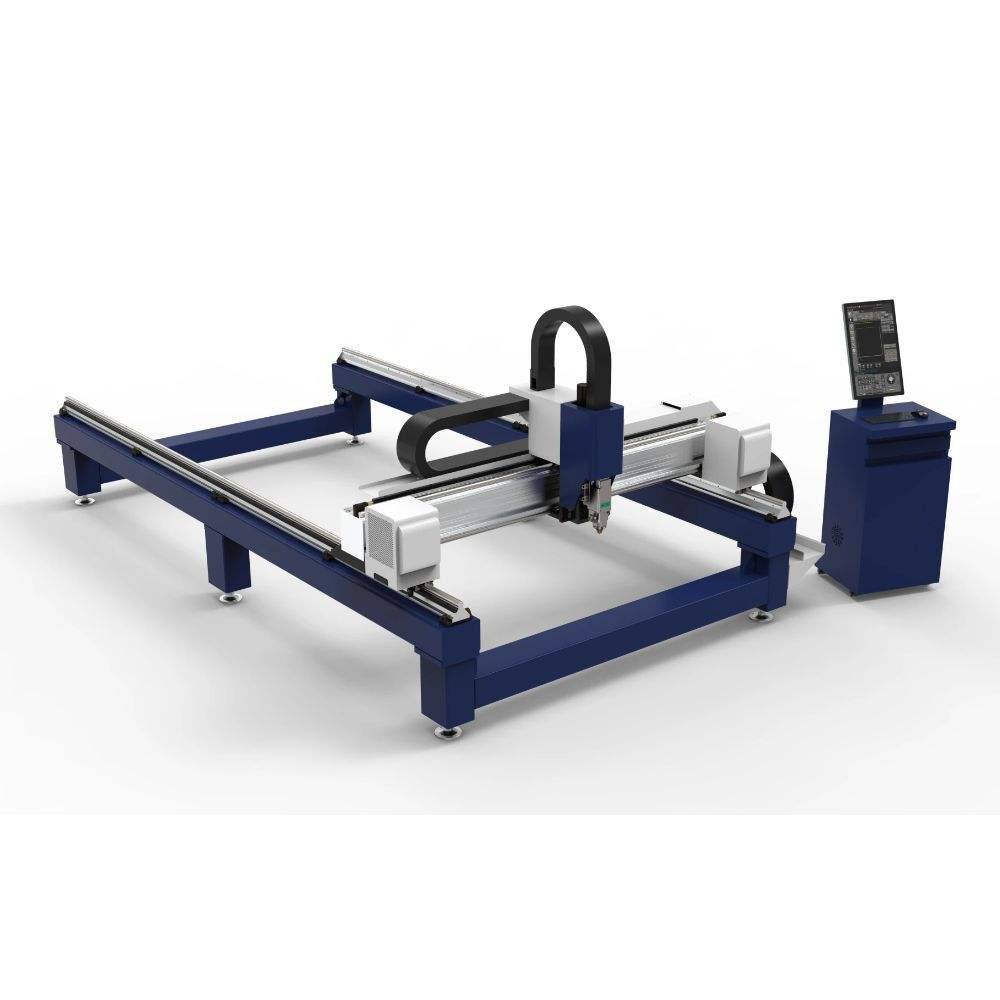
Understanding Galvanized Steel Challenges
Galvanized steel is essentially carbon steel coated with a layer of zinc to prevent corrosion. While excellent for longevity, this coating presents unique challenges for laser cutting. Zinc has a significantly lower melting and boiling point than the underlying steel. When the laser beam hits the surface, the zinc vaporizes rapidly, often creating a high-pressure gas pocket that can interfere with the stability of the laser beam and the assist gas flow.
In the Tijuana manufacturing context, where high-volume production is the norm, these inconsistencies can lead to increased dross (slag) and nozzle contamination. A 3kW fiber laser, with its high energy density and wavelength of approximately 1.06 microns, is absorbed more efficiently by the material compared to older CO2 lasers. This allows for faster travel speeds, which reduces the time the zinc has to boil and interfere with the cut path.
Optimizing Laser Cutting Parameters for Galvanized Sheets
To achieve a clean, burr-free edge on galvanized steel, operators must fine-tune several critical parameters. The goal is to eject the molten material before the zinc vapor can disrupt the melt pool. In Tijuana’s competitive market, reducing post-processing steps like manual grinding is essential for maintaining profit margins.
Assist Gas Selection: Nitrogen vs. Oxygen
The choice of assist gas is perhaps the most critical decision when laser cutting galvanized steel. For most 3kW applications in the 0.5mm to 3.0mm range, Nitrogen is the preferred choice. Nitrogen acts as a shielding gas, preventing oxidation and resulting in a bright, clean edge that is ready for welding or painting. Because Nitrogen cutting relies on purely mechanical force to blow away the melt, it requires higher pressures—often exceeding 15-20 bar.
Oxygen, while allowing for faster speeds on thicker carbon steel by adding exothermic energy to the process, is generally avoided for thin galvanized sheets. The reaction between Oxygen and the zinc coating can lead to “self-burning,” where the cut width becomes inconsistent and the edges become heavily oxidized. For Tijuana shops working on architectural components, the aesthetic and functional superiority of Nitrogen-cut edges is non-negotiable.

Nozzle Geometry and Focal Position
For a 3kW system, using a double-layer nozzle is often recommended for galvanized materials. The double-layer design helps stabilize the gas flow, reducing the turbulence caused by the vaporizing zinc. Furthermore, the focal position should typically be set slightly deeper into the material than it would be for standard cold-rolled steel. This ensures that the maximum energy density is concentrated where the melt pool is most resistant, helping to “blast” through the zinc-steel interface.
The Tijuana Advantage: Logistics and Labor
Operating a 3kW laser cutting facility in Tijuana offers distinct geographical and economic advantages. Proximity to the San Diego-Otay Mesa border allows for “just-in-time” delivery to U.S. clients, a feat that overseas competitors cannot match. Furthermore, the regional workforce in Baja California has developed a high level of technical proficiency in CNC programming and laser maintenance.
However, the coastal environment of Tijuana introduces a specific challenge: humidity and salinity. Fiber laser sources are sensitive to environmental conditions. High-quality 3kW machines used in this region must be equipped with dust-sealed cabinets and air-conditioned electronics to prevent the corrosive sea air from affecting the sensitive optical fibers and laser diodes. Regular maintenance of the chiller system is also vital, as the ambient temperature in Tijuana can fluctuate significantly between the marine layer mornings and hot afternoons.
Safety and Fume Extraction
Laser cutting galvanized steel produces zinc oxide fumes, which are toxic if inhaled. “Metal Fume Fever” is a real risk for operators in poorly ventilated shops. A robust 3kW laser setup must include a high-capacity dust collector with HEPA filtration. In Tijuana, environmental regulations (monitored by SEMARNAT and local authorities) are increasingly stringent. Ensuring that your laser cutting system is equipped with an efficient downdraft table not only protects the health of the workforce but also ensures compliance with local industrial safety standards.
Maintenance Protocols for Longevity
To maintain the precision of a 3kW laser, a rigorous maintenance schedule is required. In a high-production environment like a Tijuana Maquiladora, the machine might run 16 to 24 hours a day. Key areas of focus include:
- Cover Glass Inspection: The protective window is the most frequent point of failure. Zinc spatter can quickly degrade the glass, leading to beam distortion.
- Nozzle Centering: Even a slight misalignment can cause asymmetrical dross, particularly problematic with the reflective nature of galvanized coatings.
- Rail Lubrication: The fine dust produced by laser cutting can mix with lubricants to create an abrasive paste. Regular cleaning of the linear guides is essential to maintain the ±0.03mm accuracy expected of fiber lasers.
Economic Impact of 3kW Technology in Baja California
The integration of 3kW laser cutting technology has allowed small and medium-sized enterprises (SMEs) in Tijuana to compete on a global scale. By reducing the cost per part through high-speed automation, these shops can offer competitive pricing to the aerospace and medical device industries located in the region. The ability to process galvanized steel—a staple in construction and outdoor enclosures—with high precision opens doors to infrastructure projects across the Mexican northwest and the Southwestern United States.
Conclusion
The 3kW sheet metal laser represents a cornerstone of modern manufacturing in Tijuana. Its ability to handle the complexities of galvanized steel with speed and precision makes it an indispensable tool for any facility looking to thrive in the binational economy. By understanding the interaction between the fiber laser beam and the zinc coating, selecting the appropriate assist gases, and maintaining the equipment against the local coastal climate, manufacturers can achieve world-class results. As the industry moves toward further automation and Industry 4.0 integration, the 3kW fiber laser will remain the workhorse of the Tijuana sheet metal sector, driving innovation and efficiency in every cut.













