Comprehensive Engineering Guide: 2kW Tube laser cutting for Brass in Guadalajara
The industrial landscape of Guadalajara, often referred to as Mexico’s “Silicon Valley,” has undergone a significant transformation. While electronics and software remain pillars of the local economy, the advanced manufacturing sector—specifically precision metal fabrication—has seen a surge in technological adoption. Among these advancements, the 2kW fiber tube laser cutting machine stands out as a critical tool for high-precision brass processing. This guide examines the technical nuances, operational strategies, and regional industrial applications of using 2kW laser power for brass tubing in the Jalisco region.

The Mechanics of 2kW Fiber Laser Technology
A 2kW fiber laser represents a specific power bracket that offers an ideal balance between capital investment and processing capability. In the context of laser cutting, “fiber” refers to the medium used to create the laser beam. Unlike traditional CO2 lasers, fiber lasers utilize a solid-state medium, typically a doped optical fiber, to generate a beam with a wavelength of approximately 1.06 microns. This shorter wavelength is significantly more efficient when processing non-ferrous metals like brass.
For engineers in Guadalajara, the 2kW threshold is particularly relevant. It provides enough energy density to pierce and cut through brass alloys up to 5mm or 6mm in thickness, depending on the specific alloy composition (such as C260 or C360). The high beam quality (M2 factor) associated with 2kW resonators ensures a narrow kerf width, which is essential for the intricate geometries often required in decorative and architectural brass components.
Challenges of Brass in Laser Cutting
Brass is a copper-zinc alloy known for its high thermal conductivity and high reflectivity. These two properties make it one of the most challenging materials to process via laser cutting. In the early days of laser technology, back-reflection—where the laser beam bounces off the shiny surface of the metal and returns into the cutting head—posed a significant risk of damaging the resonator and optical components.
Modern 2kW fiber systems are equipped with advanced back-reflection protection mechanisms. These include optical isolators and sensors that can shut down the beam in microseconds if a reflection is detected. However, the engineering strategy for brass involves more than just safety. It requires precise control over the “piercing” phase, where the material is most reflective. By using a pulsed piercing method and specific focal positions, operators in Guadalajara’s fabrication shops can successfully initiate the cut without compromising the machine’s integrity.
Optimizing Parameters for the Guadalajara Climate
Environmental factors in Guadalajara, such as altitude (approximately 1,566 meters) and seasonal humidity, can influence the performance of pneumatic systems and cooling units associated with the laser. A 2kW laser cutting system requires a robust chiller to maintain the resonator and cutting head at a constant temperature. In the warmer months of the Jalisco spring, ensuring that the chiller is sized correctly for the 2kW load is paramount to preventing thermal drift in the beam path.
Furthermore, the choice of assist gas is a critical engineering decision. For brass, Nitrogen (N2) is the standard choice. Nitrogen acts as a mechanical force to blow the molten metal out of the kerf while preventing oxidation, resulting in a clean, bright edge that requires minimal post-processing. In some high-speed applications, Oxygen (O2) may be used to increase cutting speed through exothermic reactions, though this often leaves a darker, oxidized edge that may not be suitable for the high-end aesthetic standards of the Guadalajara furniture and lighting industries.
Industrial Applications in the Jalisco Region
Guadalajara’s industrial ecosystem provides a diverse array of applications for 2kW tube laser cutting. The region is a hub for high-end furniture manufacturing, where brass tubing is frequently used for frames, decorative inlays, and structural accents. The ability to perform complex “fish-mouth” cuts, miters, and intricate hole patterns in a single setup drastically reduces the lead time compared to traditional manual sawing and drilling.
In the electronics sector, brass is used for busbars, connectors, and shielding components. The 2kW laser allows for the rapid prototyping and mass production of these parts with tolerances within +/- 0.1mm. Additionally, the local jewelry and lighting design sectors benefit from the laser’s ability to handle thin-walled brass tubes, allowing for delicate designs that would be impossible to achieve with mechanical tooling without deforming the workpiece.
Operational Best Practices for Tube Processing
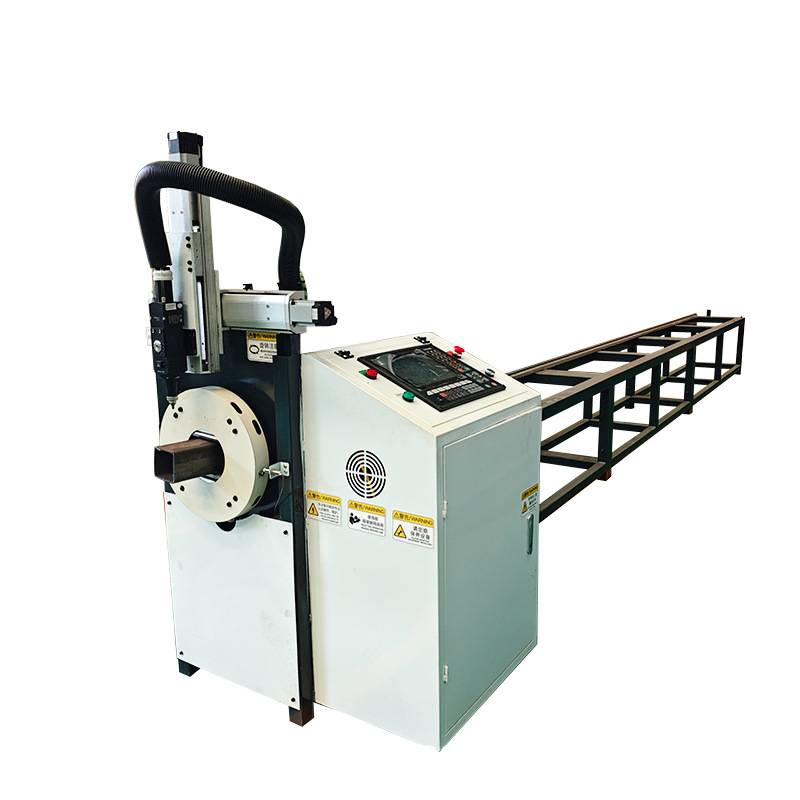
Successful laser cutting of brass tubes requires a deep understanding of the machine’s chuck system and software integration. Unlike plate cutting, tube cutting involves a rotational axis (the A-axis or B-axis). The 2kW system must synchronize the linear movement of the cutting head with the rotation of the tube. For brass, which is softer than stainless steel, the clamping pressure of the chucks must be carefully calibrated to prevent marking or crushing the tube while still providing enough grip to handle rapid accelerations.
Engineers should also focus on the nesting software. Advanced nesting algorithms can optimize the layout of parts on a single length of brass tubing, minimizing scrap—a vital consideration given the high cost of brass compared to mild steel. In Guadalajara’s competitive manufacturing market, reducing material waste by even 5% can result in significant annual savings for a high-volume shop.
Maintenance and Optical Integrity
To maintain the efficiency of a 2kW laser cutting system, a rigorous maintenance schedule is mandatory. This is especially true when processing brass, as the process generates fine metallic dust and fumes. The extraction system must be powerful enough to remove these particulates before they settle on the protective window (cover glass) of the cutting head. A contaminated cover glass will absorb laser energy, heat up, and eventually crack, or worse, cause the beam to lose focus and damage the internal lenses.
Daily inspections of the nozzle condition and the centering of the beam are essential. In Guadalajara, where technical support may involve travel from Mexico City or abroad, local operators must be trained in these “Level 1” maintenance tasks to ensure maximum uptime. Proper gas filtration is also necessary; even small amounts of moisture or oil in the Nitrogen line can lead to inconsistent cutting quality and increased consumption of consumables.
Economic Impact and ROI for Local Manufacturers
Investing in a 2kW tube laser cutting machine represents a significant capital expenditure, but the Return on Investment (ROI) for Guadalajara-based manufacturers is often realized through increased throughput and expanded capabilities. By bringing laser cutting in-house, companies eliminate the delays and markups associated with outsourcing to third-party service centers.
The versatility of the 2kW power level means the machine is not limited to brass. It can effortlessly switch to cutting stainless steel, aluminum, and carbon steel tubes, allowing a shop to diversify its client base. In the context of the USMCA (United States-Mexico-Canada Agreement), Guadalajara manufacturers are well-positioned to serve the North American market with high-quality, laser-cut brass components, leveraging the geographic proximity and the skilled local labor force.
Conclusion: The Future of Metal Fabrication in Guadalajara
The integration of 2kW tube laser cutting technology is more than just an upgrade in machinery; it is a commitment to precision and efficiency that aligns with global manufacturing standards. For the brass industry in Guadalajara, this technology offers a path toward more complex designs, higher quality finishes, and more sustainable production practices. As fiber laser technology continues to evolve, with improvements in beam shaping and AI-driven process control, the capabilities of local fabricators will only continue to expand, further solidifying Guadalajara’s reputation as a center for engineering excellence in Mexico.
Whether for architectural details in Zapopan or industrial components in El Salto, the 2kW fiber laser remains the tool of choice for those looking to master the art and science of brass tube processing. By adhering to the technical guidelines and maintenance protocols outlined in this guide, engineers can ensure that their laser cutting operations remain productive, safe, and profitable for years to come.













