The 30kW Fiber laser cutting Revolution in Leon’s Industrial Sector
The global manufacturing landscape is undergoing a radical shift, driven by the rapid evolution of high-power laser technology. In industrial hubs like Leon, the introduction of the 30kW fiber laser cutting machine represents a pivotal moment for metal fabrication. This level of power is not merely an incremental improvement; it is a transformative leap that redefines the boundaries of thickness, speed, and precision, particularly when processing challenging materials such as aluminum alloy.
For engineers and plant managers in Leon, the adoption of 30kW technology addresses the growing demand for high-volume production and the ability to handle heavy-duty structural components. As industries such as automotive, aerospace, and renewable energy expand, the need for efficient laser cutting solutions that can penetrate thick non-ferrous metals with minimal dross and high edge quality has never been more critical.
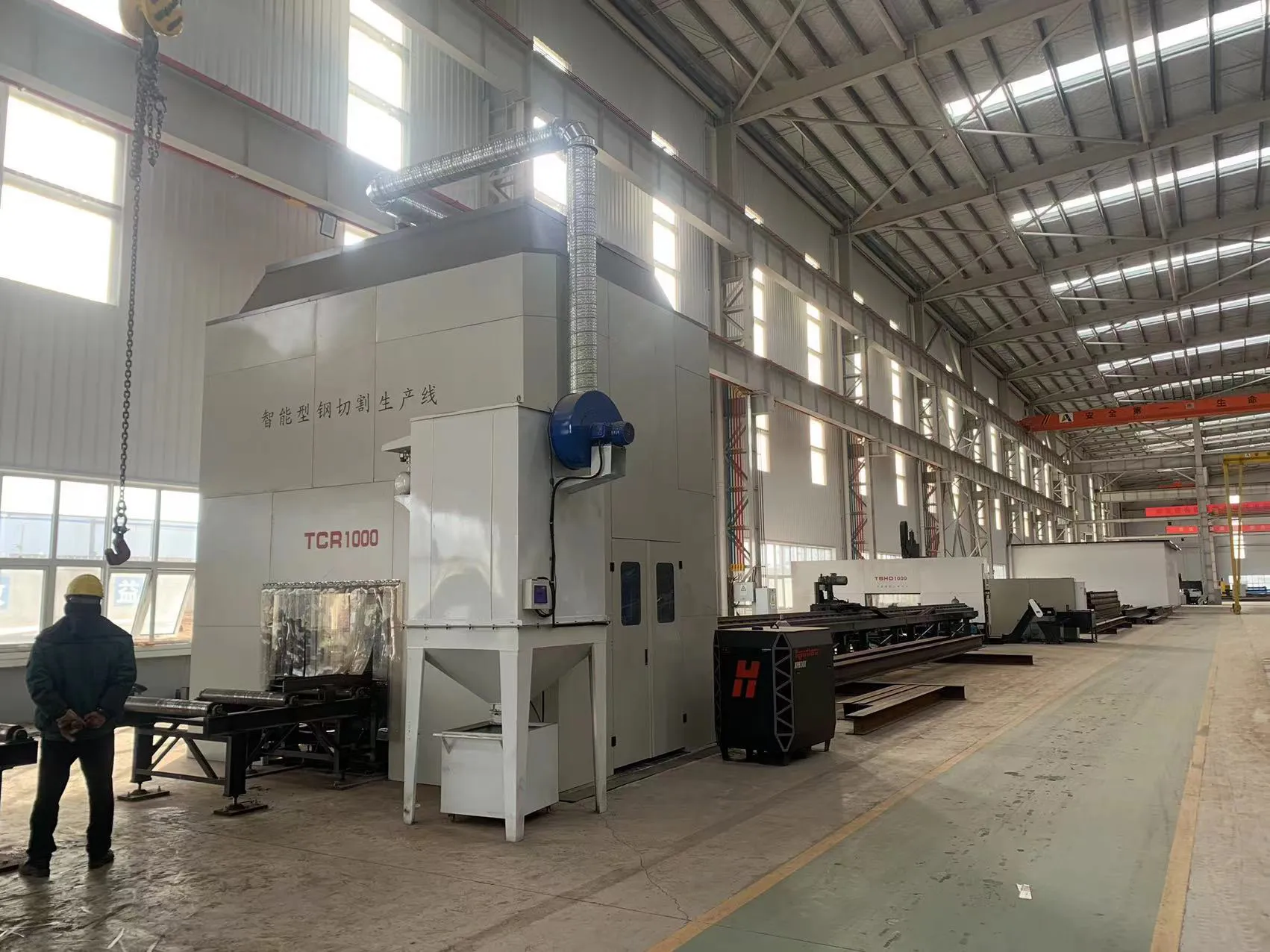
Technical Specifications and Power Dynamics
A 30kW fiber laser cutting system operates on the principle of delivering an immense concentration of energy into a microscopic focal point. At this power level, the energy density is sufficient to instantaneously vaporize thick metal plates. The fiber laser source, typically composed of multiple laser modules combined into a single beam, offers superior beam quality ($M^2 < 1.1$) and a stable output that is essential for consistent results over long production shifts.
One of the primary advantages of 30kW systems is the “power reserve.” While lower-powered machines may struggle at the upper limits of their capacity, a 30kW machine operates comfortably, ensuring that the cutting process remains stable even when encountering variations in material composition or surface reflectivity. This is particularly vital for aluminum alloy, which is notorious for its high thermal conductivity and reflective properties.
Processing Aluminum Alloy: Overcoming Physical Challenges
Aluminum alloy is a cornerstone of modern engineering in Leon, valued for its strength-to-weight ratio and corrosion resistance. However, from a laser cutting perspective, aluminum presents unique challenges. Its high reflectivity can cause back-reflections that potentially damage the laser source, while its high thermal conductivity causes heat to dissipate rapidly away from the cut zone, leading to potential dross formation.
The 30kW Advantage for Reflective Metals
The sheer intensity of a 30kW beam overcomes the reflectivity threshold of aluminum alloy almost instantaneously. By delivering energy faster than the material can conduct it away, the 30kW laser creates a clean, narrow kerf. This allows for the cutting of 6000-series and 5000-series aluminum alloys at thicknesses previously reserved for plasma or waterjet cutting, but with the superior precision and speed of fiber laser technology.
In Leon’s competitive fabrication market, the ability to cut 30mm to 50mm aluminum plate with high edge verticality is a significant competitive advantage. The 30kW source ensures that the “melting rate” significantly exceeds the “heat dissipation rate,” resulting in a smaller heat-affected zone (HAZ) and preserving the mechanical properties of the alloy.

Edge Quality and Dross Management
When cutting thick aluminum, dross (the solidified molten metal on the bottom edge) is a common concern. With 30kW of power, the cutting speed is high enough that the assist gas—usually Nitrogen or Compressed Air—can effectively evacuate the molten material before it has a chance to adhere to the plate. This results in a “burr-free” finish that often eliminates the need for secondary grinding or finishing processes, directly reducing labor costs for Leon-based manufacturers.
Optimizing Cutting Parameters for 30kW Systems
To fully harness the potential of a 30kW laser cutting machine, operators must master the synergy between power, speed, and assist gas pressure. Engineering a perfect cut requires a deep understanding of the focal position and nozzle geometry.
Assist Gas Selection: Nitrogen vs. Compressed Air
For high-end aluminum fabrication in Leon, Nitrogen is the preferred assist gas. Nitrogen acts as an inert shield, preventing oxidation of the cut edge and ensuring a bright, clean finish that is ready for welding. However, with the rise of 30kW power, High-Pressure Compressed Air has become a viable and cost-effective alternative. The high power allows the laser to maintain speed even with the slightly lower efficiency of air, providing a significant reduction in operational costs for non-critical structural components.
Focal Length and Nozzle Calibration
At 30kW, the focal length is typically longer to provide a deeper “depth of field,” which is necessary for maintaining a consistent kerf width through thick aluminum plates. Specialized nozzles, often featuring cooling jackets or high-flow designs, are required to handle the intense heat and ensure the gas flow is perfectly laminar. In Leon’s industrial workshops, regular calibration of the capacitive height sensor is essential to maintain the precise nozzle-to-workpiece distance required for high-power stability.
Economic Impact and ROI in the Leon Region
Investing in a 30kW fiber laser cutting machine is a significant capital expenditure, but the Return on Investment (ROI) is driven by unprecedented throughput. In the context of Leon’s industrial growth, the ability to consolidate multiple lower-power machines into a single 30kW workstation reduces floor space requirements and lowers the cost-per-part.
Throughput and Speed Metrics
For 10mm aluminum alloy, a 30kW machine can achieve cutting speeds that are 3 to 4 times faster than a 6kW machine. Even more impressively, for thicknesses above 20mm, the 30kW system maintains a steady pace where lower-power machines would either fail or move so slowly that the edge quality would degrade. This throughput allows Leon’s fabricators to take on larger contracts with tighter deadlines, increasing their market share in the regional supply chain.
Maintenance and Longevity
A professional-grade 30kW machine is built for 24/7 operation. Key components, such as the heavy-duty bed, the precision rack and pinion systems, and the advanced chilling units, are engineered to withstand the mechanical stresses of high-speed movement. For companies in Leon, establishing a preventative maintenance schedule—focusing on lens cleanliness, chiller fluid quality, and rail lubrication—is the key to ensuring the machine’s longevity and maintaining its resale value.
Operational Safety and Infrastructure Requirements
Operating a 30kW laser cutting system requires a robust infrastructure. The electrical demand is substantial, requiring a stable power grid and high-capacity transformers. Furthermore, safety protocols must be strictly enforced. The laser radiation from a 30kW source is extremely dangerous; therefore, the machine must be fully enclosed in a Class 4 laser safety housing with specialized protective glass.
Fume Extraction and Environmental Control
Cutting aluminum alloy generates fine particulate dust that can be explosive if not properly managed. A 30kW system in Leon must be equipped with a high-volume fume extraction and dust collection system. These systems use pulse-jet cleaning and HEPA filtration to ensure the air quality in the facility remains within safety standards and to prevent the accumulation of aluminum dust on sensitive electronic components.
Conclusion: The Future of Fabrication in Leon
The 30kW fiber laser cutting machine is more than just a tool; it is a strategic asset for the industrial evolution of Leon. By mastering the nuances of high-power laser cutting on aluminum alloy, local manufacturers can achieve levels of productivity and quality that were previously unattainable. As the technology continues to mature, those who invest in high-power fiber lasers will lead the way in precision engineering, setting new standards for the global manufacturing community.
Whether it is for the production of lightweight automotive frames, complex aerospace components, or large-scale architectural structures, the 30kW fiber laser stands as the pinnacle of modern metal processing technology, offering a clear path to industrial excellence in the heart of Leon.













