Introduction to 1.5kW Fiber Laser Technology in Queretaro
The industrial landscape of Queretaro has seen a meteoric rise over the last decade, positioning itself as the primary hub for aerospace, automotive, and appliance manufacturing in Mexico’s Bajío region. At the heart of this manufacturing evolution is the adoption of fiber laser cutting technology. Specifically, the 1.5kW sheet metal laser has emerged as the “workhorse” for small to medium-sized enterprises (SMEs) and specialized production lines that require a balance between precision, speed, and operational cost.
In Queretaro’s competitive market, the ability to process galvanized steel efficiently is a significant advantage. Galvanized steel, known for its corrosion resistance due to its zinc coating, is a staple in the production of HVAC ductwork, automotive brackets, and electrical enclosures. However, processing this material with a 1.5kW fiber laser requires a deep understanding of metallurgy, optics, and gas dynamics to ensure high-quality edges and consistent throughput.
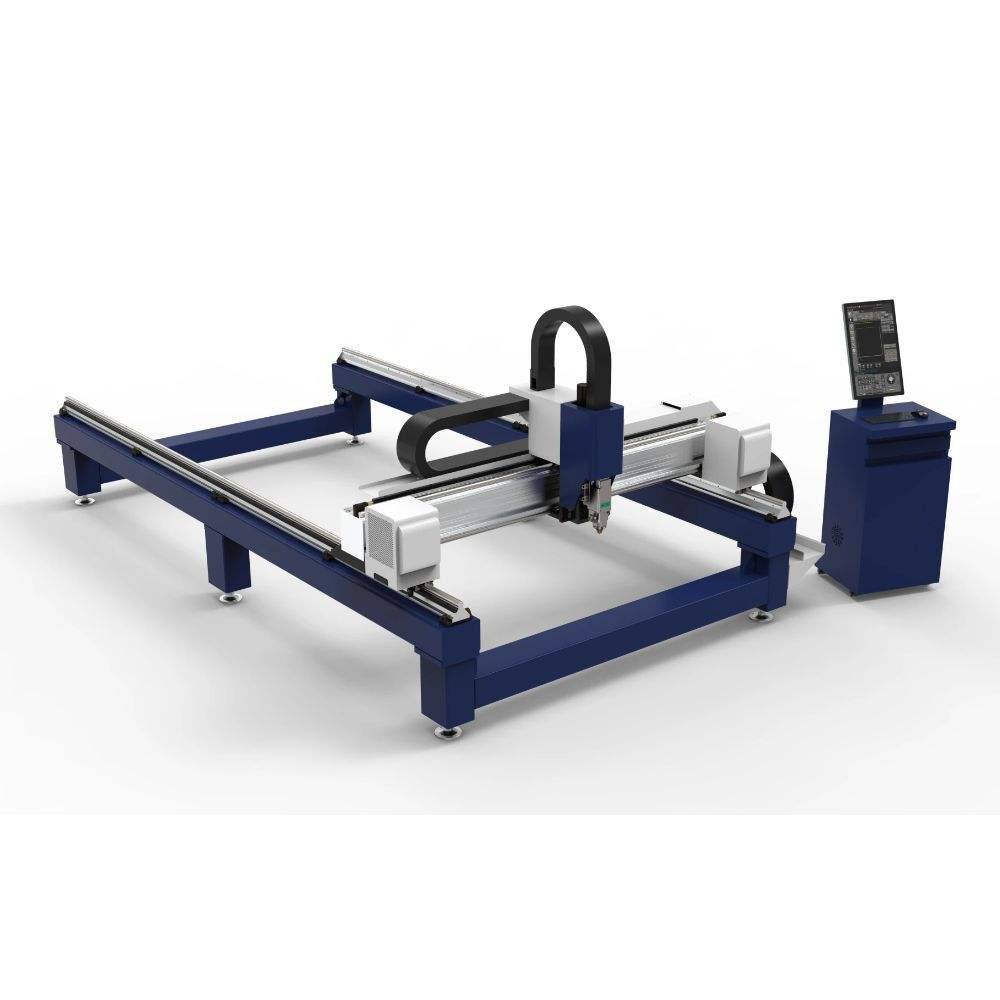
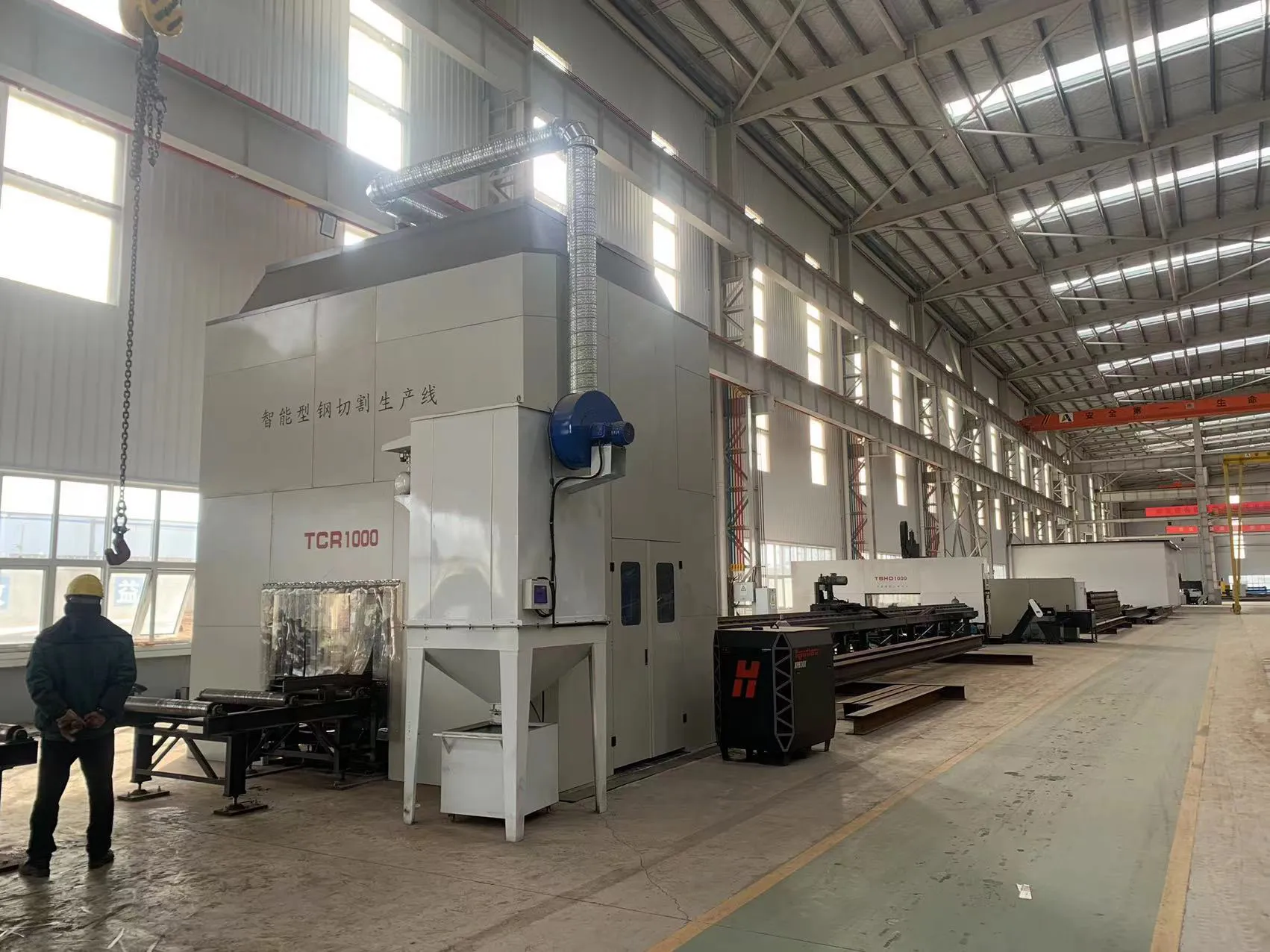 laser cutting machine for Sheet Metal” style=”max-width: 100%; height: auto; margin: 20px 0;”>
Technical Specifications of the 1.5kW Sheet Metal Laser
A 1.5kW fiber laser source provides a specific power density that is exceptionally efficient for thin to medium-gauge sheet metal. When we analyze the physics of laser cutting, the 1.5kW threshold allows for high-speed processing of carbon steel up to 12mm and stainless steel up to 5mm. However, its “sweet spot” lies in the 0.5mm to 4.0mm range, where it often outperforms higher-wattage machines in terms of cost-per-part due to lower energy consumption and gas usage.
The Fiber Laser Advantage
Unlike traditional CO2 lasers, fiber lasers utilize a solid-state gain medium. The beam is generated by a series of laser diodes and transmitted through a fiber optic cable directly to the cutting head. For a 1.5kW system, this results in a beam with a very small spot size and high energy density. This is particularly beneficial when cutting galvanized steel, as the concentrated energy can quickly vaporize both the zinc coating and the underlying steel, minimizing the heat-affected zone (HAZ).
Processing Galvanized Steel: The Zinc Challenge
Galvanized steel presents unique challenges for laser cutting systems. The protective zinc layer has a significantly lower melting and boiling point than the base steel. During the cutting process, the zinc can vaporize violently, potentially interfering with the laser beam or contaminating the protective lens of the cutting head.
Vaporization and Dross Formation
In Queretaro’s industrial workshops, engineers often face the issue of “dross” or burrs on the underside of galvanized sheets. This occurs because the melted zinc flows into the cut (kerf) and mixes with the molten steel. To combat this, a 1.5kW laser must be tuned with precise nozzle height control and specific gas pressures. The goal is to eject the molten material before the zinc has a chance to solidify or interfere with the edge quality.
Optimizing Cutting Gas for Galvanized Materials
The choice of assist gas is perhaps the most critical factor when using a 1.5kW laser cutting machine on galvanized steel. In the Queretaro region, where gas supply chains are well-established, manufacturers typically choose between Oxygen and Nitrogen.
Nitrogen (High-Pressure Cutting)
For the highest quality finish, Nitrogen is the preferred assist gas. Nitrogen acts as a cooling agent and a mechanical force to blow away molten metal without causing oxidation. When cutting galvanized steel with 1.5kW of power, using Nitrogen at pressures between 12 and 18 bar ensures a “bright” edge that is ready for welding or painting without secondary cleaning. This is essential for Queretaro’s Tier 2 automotive suppliers who must meet stringent aesthetic and structural standards.
Oxygen (Exothermic Cutting)
Oxygen can be used for thicker galvanized plates, as it creates an exothermic reaction that adds heat to the process. However, this often leads to a charred or oxidized edge and can cause more significant “spatter” from the zinc coating. For a 1.5kW system, Oxygen is generally reserved for applications where speed on thicker material is prioritized over edge cleanliness.
Operational Best Practices in Queretaro’s Climate
Queretaro is located at an altitude of approximately 1,820 meters above sea level, with a semi-arid climate. These environmental factors can impact the performance of laser cutting equipment, specifically the cooling systems and air compressors.
Chiller Efficiency and Humidity
A 1.5kW laser requires a stable water-cooling system (chiller) to maintain the temperature of the laser source and the cutting head. At higher altitudes, the air is thinner, which can reduce the heat exchange efficiency of air-cooled chillers. Operators in Queretaro should ensure that chillers are placed in well-ventilated areas and that the coolant mixture is monitored for conductivity to prevent internal corrosion of the laser path.
Compressed Air Quality
If the shop uses compressed air as an assist gas (a common cost-saving measure for thin galvanized sheets), the air must be “Class 0” clean—free of oil, moisture, and particles. Queretaro’s dust levels can be high during the dry season; therefore, multi-stage filtration and refrigerated dryers are mandatory to prevent damage to the laser’s sensitive optics.
Maintenance Protocols for 1.5kW Systems
To maintain peak performance in a 24/7 production environment, a rigorous maintenance schedule is required. The 1.5kW fiber laser is a precision instrument that demands cleanliness.
Protective Window Inspection
The protective window (or cover slide) is the final optical element before the laser hits the galvanized sheet. Because galvanized steel tends to “spit” zinc particles, the window must be inspected every 4-8 hours of operation. Even a microscopic speck of zinc on the lens can absorb laser energy, heat up, and eventually crack the lens, leading to costly downtime.
Nozzle Calibration and Centering
Proper laser cutting requires the beam to be perfectly centered in the nozzle. For galvanized material, a double-layer nozzle is often recommended to stabilize the gas flow. Operators should perform a “tape test” at the start of every shift to ensure the beam is centered, preventing lopsided cuts or excessive dross on one side of the part.
Safety and Environmental Compliance
Cutting galvanized steel produces Zinc Oxide (ZnO) fumes, which are toxic if inhaled. In accordance with Mexican environmental regulations (SEMARNAT) and workplace safety standards (STPS) prevalent in Queretaro’s industrial parks, proper fume extraction is non-negotiable.
Fume Extraction Systems
A 1.5kW laser cutting machine should be equipped with a high-volume dust collector. The filters must be capable of capturing sub-micron particles. Operators must be trained to recognize the symptoms of “metal fume fever” and ensure that the extraction system is functioning correctly before beginning any galvanized steel production run.
Economic Impact and ROI for Queretaro Manufacturers
Investing in a 1.5kW sheet metal laser offers a rapid Return on Investment (ROI) for Queretaro’s local workshops. Compared to plasma cutting or mechanical shearing, fiber laser cutting reduces material waste through tighter nesting and eliminates the need for most secondary finishing processes.
Lowering the Cost Per Part
By optimizing the cutting parameters for galvanized steel—specifically balancing speed versus gas consumption—manufacturers can achieve a highly competitive cost per part. In a region where the automotive and aerospace sectors demand “Just-In-Time” (JIT) delivery, the reliability and speed of a 1.5kW fiber laser provide the necessary agility to respond to fluctuating market demands.
Conclusion
The 1.5kW sheet metal laser represents a strategic asset for any manufacturing facility in Queretaro looking to dominate the galvanized steel market. By mastering the technical nuances of assist gas selection, optical maintenance, and environmental adjustments, local engineers can produce world-class components that meet the high standards of the global supply chain. As technology continues to advance, the integration of high-precision laser cutting will remain a cornerstone of the Bajío region’s industrial success.













