The Evolution of 3kW Sheet Metal laser cutting in Monterrey’s Industrial Sector
Monterrey, Nuevo León, has long been recognized as the industrial heart of Mexico. As the global manufacturing landscape shifts toward “nearshoring,” the demand for high-precision fabrication has skyrocketed. Among the various technologies driving this transformation, the 3kW fiber laser cutting system stands out as a cornerstone for medium-to-heavy-duty sheet metal processing. Specifically, when dealing with non-ferrous alloys such as brass, the 3kW power threshold represents the ideal balance between capital investment and operational capability.
In the context of Monterrey’s diverse economy—spanning automotive, aerospace, and high-end architectural hardware—the ability to process brass with speed and precision is a significant competitive advantage. Brass, known for its excellent conductivity and aesthetic appeal, presents unique challenges for traditional CO2 lasers. However, the advent of fiber technology, particularly in the 3kW range, has revolutionized how local fabricators approach this reflective material.
Technical Specifications of 3kW Fiber Laser Systems
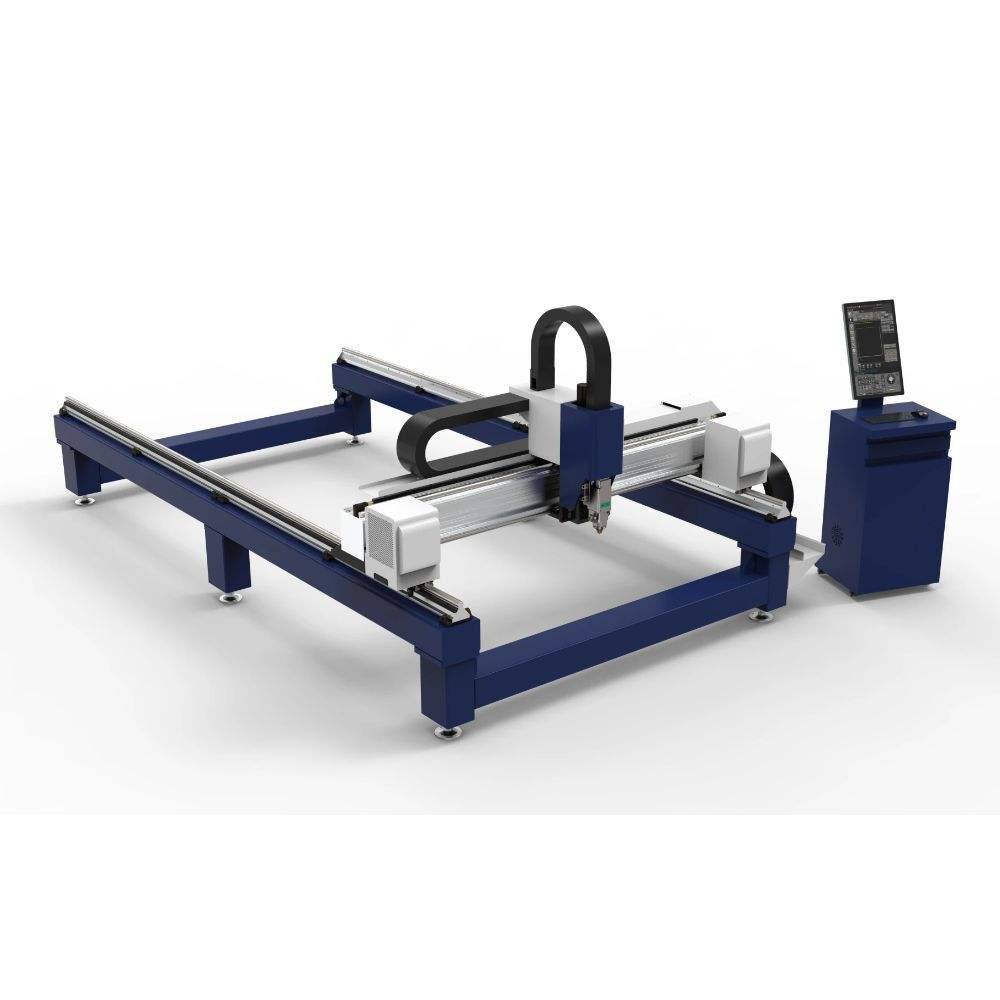
A 3kW fiber laser cutting machine utilizes a solid-state laser source where the beam is generated within an optical fiber doped with rare-earth elements. This beam is then delivered via a flexible fiber optic cable to the cutting head. Unlike CO2 lasers, which rely on a complex series of mirrors, the fiber system is more robust and efficient, especially in the demanding environment of a Monterrey manufacturing plant.
Wavelength and Absorption
The primary reason a 3kW fiber laser is superior for brass is its wavelength, typically around 1.06 microns. This wavelength is approximately ten times shorter than that of a CO2 laser. For reflective materials like brass and copper, shorter wavelengths are absorbed much more efficiently. In practical terms, this means the energy is converted into heat within the material rather than being reflected back into the optics, which was a common cause of machine failure in older generations of laser cutting equipment.

Power Density and Kerf Control
At 3,000 watts, the laser provides sufficient power density to maintain a stable “keyhole” during the cutting process. This power level allows for high-speed processing of brass sheets ranging from 1mm to 8mm in thickness. The 3kW source ensures that the kerf—the width of the cut—remains narrow and consistent, which is vital for the intricate designs often required in Monterrey’s decorative and electrical component industries.
Challenges of Processing Brass in Monterrey
Brass is an alloy of copper and zinc, and its thermal properties make it a “difficult” material for thermal cutting. Its high thermal conductivity means that heat dissipates rapidly away from the cut zone, requiring a concentrated and intense energy source to maintain the melt pool. Furthermore, the environmental conditions in Monterrey, characterized by high ambient temperatures and varying humidity, can affect the stability of the cutting environment if not properly managed.
Mitigating Back-Reflection
One of the most critical engineering considerations when laser cutting brass is back-reflection. Because brass is highly reflective in its solid state, a portion of the laser energy can bounce back through the nozzle and into the delivery fiber. Modern 3kW systems used by Monterrey’s leading shops are equipped with “back-reflection isolation” or “optical isolators.” These components protect the laser source by diverting reflected light into a water-cooled trap, ensuring the longevity of the machine even during continuous shifts.
Heat-Affected Zone (HAZ) Management
Engineering precision requires minimizing the Heat-Affected Zone. Excessive heat can lead to the vaporization of zinc within the brass alloy, resulting in a “drossy” or burred edge. By utilizing a 3kW source, operators can achieve higher feed rates. Faster travel speeds reduce the time the laser dwells on any single point, thereby narrowing the HAZ and producing a cleaner, sharper edge that requires little to no secondary finishing.
Optimizing Assist Gas for Brass Cutting
The choice of assist gas is a pivotal factor in the quality of the laser cutting process. In the Monterrey industrial corridor, where gas supply chains are well-established, fabricators have several options to optimize their 3kW systems.
Nitrogen vs. Oxygen
For brass, Nitrogen is the preferred assist gas. It acts as a shielding agent, preventing the molten edges from oxidizing. When cutting brass with high-pressure Nitrogen, the result is a bright, clean edge that maintains the material’s natural golden hue. This is particularly important for Monterrey’s architectural and interior design suppliers. Oxygen can be used for thicker sections to add exothermic energy to the cut, but it often results in a darkened, oxidized edge that must be cleaned mechanically or chemically.
Compressed Air Cutting
With the rising cost of industrial gases, many 3kW laser cutting operations are moving toward high-pressure compressed air. While air contains oxygen, the high-velocity delivery can often blow away the melt fast enough to produce an acceptable edge for industrial components where aesthetics are secondary to dimensional accuracy. This method significantly reduces the “cost per part” for Monterrey-based manufacturers.
Operational Best Practices in the Monterrey Climate
The climate in Monterrey presents unique maintenance challenges for laser cutting machinery. With summer temperatures often exceeding 40°C, the cooling systems of a 3kW laser must be meticulously maintained.
Chiller Performance
The laser source and the cutting head require precise temperature regulation. A dual-circuit chiller is standard, but in Monterrey, it is recommended to upsize the chiller capacity or house it in a climate-controlled environment. If the chiller cannot maintain the set point, the laser’s wavelength can shift slightly, or the internal components may suffer thermal stress, leading to inconsistent cutting quality in brass.
Dust and Humidity Control
Monterrey’s industrial areas can be dusty. For a 3kW fiber laser, cleanliness is paramount. Even microscopic dust particles on the protective window of the cutting head can absorb laser energy, heat up, and shatter the lens. Implementing a positive-pressure filtration system in the laser room is a common engineering practice among top-tier fabricators in the region to ensure maximum uptime.
Economic Impact and ROI for Local Fabricators
Investing in a 3kW sheet metal laser for brass processing offers a compelling Return on Investment (ROI) for Monterrey businesses. The speed of fiber laser cutting is significantly higher than waterjet or mechanical shearing for the thicknesses typically used in the region.
Throughput Advantages
A 3kW system can cut 2mm brass at speeds exceeding 15 meters per minute, depending on the complexity of the geometry. This high throughput allows shops to take on larger contracts from the automotive sector, where just-in-time delivery is the standard. Furthermore, the precision of the laser cutting process reduces material waste, which is a critical factor given the high market price of brass alloys.
Market Versatility
While this guide focuses on brass, the 3kW laser is a “workhorse” capable of cutting stainless steel and carbon steel as well. This versatility allows Monterrey job shops to diversify their client base. A machine that can cut decorative brass panels in the morning and automotive steel brackets in the afternoon ensures that the equipment remains profitable throughout the fiscal year.
Conclusion: The Future of Fabrication in Monterrey
As Monterrey continues to grow as a global manufacturing hub, the adoption of advanced 3kW fiber laser cutting technology will be a defining factor for local industry. The ability to master difficult materials like brass not only showcases technical proficiency but also opens doors to high-value markets. By understanding the physics of the 1.06-micron wavelength, optimizing assist gas delivery, and accounting for the local environmental conditions, Monterrey’s engineers are setting new standards for precision and efficiency in sheet metal fabrication.
The 3kW laser is no longer just an optional upgrade; it is an essential tool for any facility serious about competing in the modern era of industrial production. For the fabricators of Monterrey, it represents the bridge between traditional craftsmanship and the future of automated, high-precision manufacturing.













