Advanced 30kW laser cutting for Galvanized Steel: A Technical Guide for Puebla’s Industrial Sector
The industrial landscape of Puebla, Mexico, has long been a cornerstone of North American manufacturing. As the home to massive automotive plants and a sprawling network of Tier 1 and Tier 2 suppliers, the demand for precision, speed, and material versatility has never been higher. The introduction of 30kW fiber laser technology represents a quantum leap in production capability, particularly when processing challenging materials like galvanized steel. This guide explores the technical parameters, operational strategies, and regional advantages of deploying a 30kW sheet metal laser in the heart of Puebla’s manufacturing hub.
The Power of 30kW in Modern Manufacturing
In the realm of laser cutting, power dictates not just the thickness of the material that can be severed, but more importantly, the speed and quality at which standard gauges are processed. A 30kW fiber laser offers a power density that allows for nearly instantaneous vaporization of metal. For the industries in Puebla—ranging from heavy machinery to automotive chassis components—this means a significant reduction in cycle times.
Traditional 6kW or 12kW systems, while capable, often struggle with the thermal dynamics of thick plates or the reflective properties of coated metals. The 30kW threshold shifts the “sweet spot” of production. It enables high-speed nitrogen cutting on thicknesses where oxygen was previously required, resulting in oxide-free edges that are ready for immediate welding or painting. This is a critical advantage in Puebla’s competitive export market, where finishing costs can make or break a contract’s profitability.
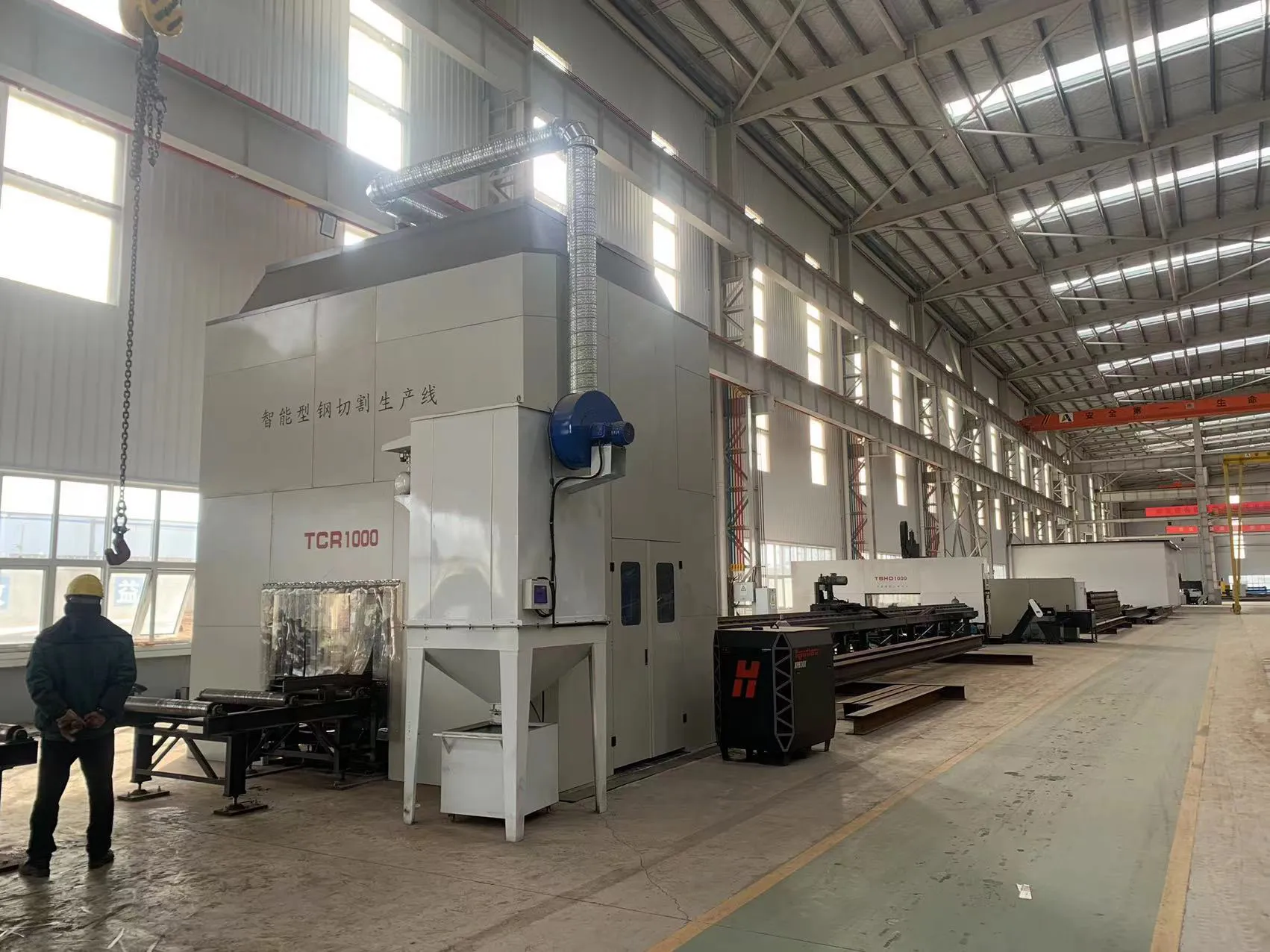
Challenges and Solutions for Galvanized Steel
Galvanized steel is a staple in the construction and automotive sectors of Puebla due to its superior corrosion resistance. However, from a laser cutting perspective, the zinc coating presents unique challenges. Zinc has a significantly lower melting point (approx. 419°C) and boiling point (approx. 907°C) compared to the underlying steel (approx. 1500°C). During the laser cutting process, the zinc layer vaporizes before the steel melts, creating high-pressure gas that can interfere with the stability of the laser beam and the assist gas flow.
With a 30kW system, the energy density is so high that the laser can “outrun” the negative effects of zinc vaporization. By utilizing high-pressure nitrogen as an assist gas, the 30kW laser blows away the molten material and the zinc vapors so rapidly that dross formation is minimized. This results in a cleaner cut edge with minimal damage to the surrounding protective zinc layer, maintaining the material’s integrity and corrosion-resistant properties.
Optimizing Parameters for the Puebla Environment
Puebla’s geographical location, situated at an altitude of over 2,100 meters, introduces atmospheric variables that engineers must consider. The lower air density affects the cooling efficiency of chillers and the behavior of assist gases. When operating a 30kW laser cutting system, the following parameters must be meticulously calibrated:
- Focus Position: For galvanized steel, a slightly negative focus is often preferred to ensure the energy is concentrated just below the surface, facilitating a cleaner ejection of the zinc-steel mixture.
- Gas Pressure: Nitrogen is the preferred assist gas for 30kW applications. In Puebla’s high-altitude environment, increasing the pressure slightly (often between 15 to 18 bar) helps compensate for lower atmospheric resistance and ensures the kerf remains clear.
- Nozzle Selection: Double-layer chrome-plated nozzles are recommended to resist the accumulation of zinc oxide spatters, which can deflect the beam and degrade cut quality over long production shifts.
Strategic Integration into Puebla’s Automotive Supply Chain
The proximity to major OEMs in Puebla makes the 30kW laser an essential tool for Just-In-Time (JIT) manufacturing. The ability to switch between thin-gauge galvanized sheets for body panels and thick structural plates for chassis components without changing the machine setup—aside from software parameters—is a massive operational benefit. This versatility allows local workshops to diversify their client base, serving both the automotive sector and the growing structural steel market in central Mexico.

Technical Advantages of Ultra-High Power
The move to 30kW is not merely about “more power”; it is about the physics of the melt pool. At these power levels, the laser cutting process enters a regime where the beam creates a wider keyhole. This allows for faster travel speeds—often exceeding 60-80 meters per minute on 2mm galvanized steel—while maintaining a narrow heat-affected zone (HAZ). A smaller HAZ is vital for maintaining the structural metallurgy of the steel, ensuring that the parts meet the rigorous safety standards required by international engineering firms operating in Mexico.
Furthermore, the 30kW source allows for “air cutting” on certain gauges. By using high-pressure compressed air instead of pure nitrogen, manufacturers in Puebla can significantly reduce their operational costs. While nitrogen provides the best finish, the sheer power of 30kW makes air cutting a viable and high-speed alternative for parts where a slight oxidation layer is acceptable or will be removed in subsequent blasting processes.
Maintenance and Longevity in Industrial Hubs
Operating a 30kW laser cutting machine in an industrial environment like Puebla requires a disciplined maintenance regimen. The high power output places significant stress on the optical components. The protective windows (cover slips) must be inspected daily. Even a microscopic speck of dust can absorb enough energy from a 30kW beam to shatter the glass, leading to costly downtime and potential damage to the cutting head.
Additionally, the cooling system is the heart of the machine. A 30kW fiber laser generates substantial heat within the power source and the cutting head. Utilizing high-quality deionized water and ensuring the heat exchangers are free from the dust common in industrial zones is paramount. Many successful facilities in Puebla implement “clean room” enclosures for their laser sources to isolate them from the ambient factory environment, extending the lifespan of the diodes and sensitive electronics.
Economic Impact and ROI for Local Manufacturers
While the initial investment in a 30kW system is higher than lower-power alternatives, the Return on Investment (ROI) is driven by throughput. In a region like Puebla, where labor costs are rising and the demand for precision is increasing, the ability of one 30kW machine to do the work of three 6kW machines is a game-changer. It reduces the required floor space, lowers the per-part energy consumption (due to faster processing times), and minimizes the need for secondary finishing processes.
For companies specializing in galvanized steel products—such as HVAC ducting, electrical enclosures, or automotive brackets—the 30kW laser cutting technology provides a definitive competitive edge. It allows for the bidding on high-volume contracts that were previously only feasible with expensive stamping dies, providing the flexibility to handle design changes on the fly without additional tooling costs.
Conclusion: The Future of Metal Fabrication in Puebla
The adoption of 30kW laser cutting technology is a testament to the sophistication of Puebla’s manufacturing sector. As the industry moves toward more complex geometries and the use of high-strength, coated materials like galvanized steel, the need for ultra-high power becomes undeniable. By understanding the technical nuances of the laser-material interaction and optimizing for the local environmental conditions, Puebla-based engineers can set new benchmarks for productivity and quality.
In conclusion, the 30kW sheet metal laser is more than just a cutting tool; it is a strategic asset. For the workshops and factories of Puebla, it represents the bridge to the next generation of industrial excellence, ensuring that the region remains a global leader in metal fabrication and automotive engineering for decades to come.













