The Strategic Advantage of 4kW Tube laser cutting in Monterrey’s Industrial Sector
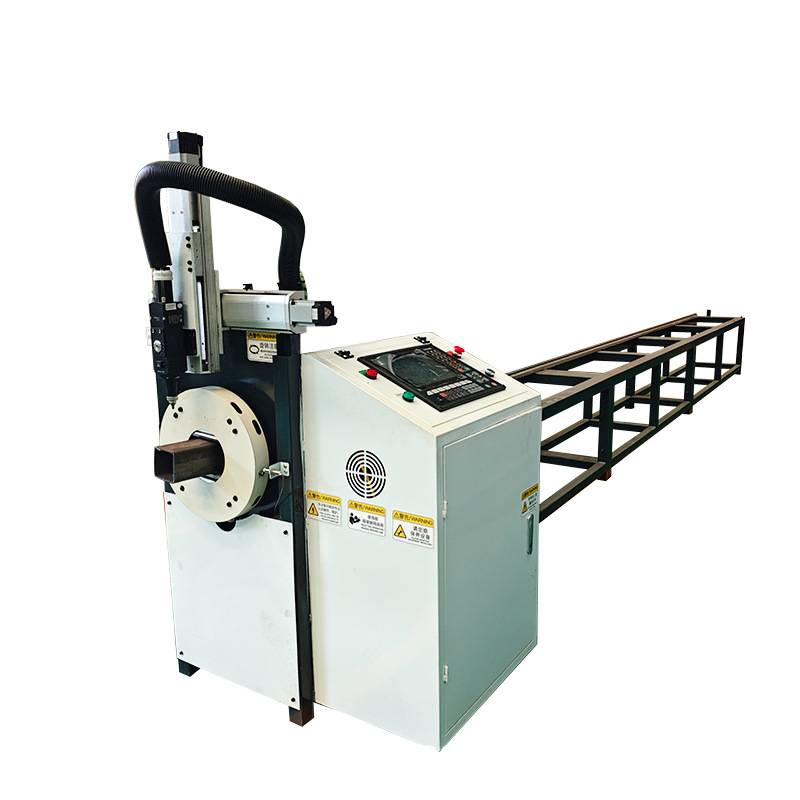
Monterrey, Nuevo León, has long been recognized as the industrial capital of Mexico. As the region continues to evolve into a global hub for automotive, aerospace, and heavy machinery manufacturing, the demand for precision metal fabrication has reached unprecedented levels. At the center of this technological shift is the 4kW tube laser cutter, a machine that has redefined the parameters of efficiency and accuracy for carbon steel processing. For engineering firms and metal service centers in Monterrey, adopting 4kW fiber technology is no longer an option but a necessity to remain competitive in a North American market driven by “nearshoring” and just-in-time delivery.
The 4kW power rating represents the “sweet spot” for tube laser cutting. It provides enough energy density to penetrate thick-walled carbon steel pipes while maintaining the high-speed agility required for thinner gauges. This versatility is critical in Monterrey, where a single workshop might produce structural frames for the construction industry in the morning and intricate exhaust components for an automotive Tier 1 supplier in the afternoon.

Technical Specifications of 4kW Fiber Laser Technology
The transition from CO2 to fiber laser technology has been the most significant advancement in the field of laser cutting over the last decade. A 4kW fiber laser operates at a wavelength of approximately 1.06 microns, which is ten times shorter than that of a CO2 laser. This shorter wavelength allows the beam to be absorbed more efficiently by carbon steel, leading to faster processing speeds and reduced heat-affected zones (HAZ).
For carbon steel, a 4kW source typically allows for high-quality cuts on tubes with wall thicknesses up to 10mm or 12mm with ease, and can push further depending on the oxygen pressure and nozzle configuration. The beam quality (BPP) of a 4kW system ensures that the kerf remains narrow, which is essential when cutting complex geometries such as interlocking “bird-mouth” joints or decorative perforations in square tubing.
Processing Carbon Steel: Material Considerations
Carbon steel is the backbone of Monterrey’s manufacturing output. Whether it is A36 structural steel, 1018 cold-rolled, or high-strength low-alloy (HSLA) variants, the 4kW tube laser cutter handles these materials with distinct advantages. Unlike stainless steel or aluminum, carbon steel relies heavily on an exothermic reaction when processed with oxygen as a cutting gas. The 4kW laser provides the initial ignition energy, while the oxygen flow promotes the combustion of the iron, significantly increasing the cutting speed compared to inert gas processes.
However, the quality of the carbon steel is paramount. In the Monterrey market, sourcing steel from local mills like Ternium ensures a level of consistency in the mill scale and carbon distribution. High-quality laser cutting requires material that is free of heavy rust or excessive oil, as these surface contaminants can cause beam reflection or “dross” (slag) accumulation on the interior of the tube. Advanced 4kW machines now feature “active focus” and “pierce sensing” technologies that adjust the laser parameters in real-time to compensate for slight variations in material quality.
Applications in Monterrey’s Key Industries
The geographical proximity to the United States makes Monterrey a critical node for the USMCA trade agreement. The 4kW tube laser cutting process is utilized across several high-growth sectors:
- Automotive and Transportation: Production of chassis frames, roll cages, and exhaust manifolds. The precision of the 4kW laser ensures that parts meet the tight tolerances required for robotic welding assemblies.
- Construction and Infrastructure: Monterrey’s skyline is a testament to its construction prowess. Tube lasers are used to create complex structural nodes for space frames and architectural features where aesthetics and structural integrity must coexist.
- Agricultural Machinery: The durability of carbon steel makes it ideal for farm equipment. 4kW lasers allow manufacturers to cut thick-walled rectangular tubing for plow frames and harvester components with minimal post-processing.
- Commercial Furniture: From office workstations to fitness equipment, the ability to perform “clean-cut” operations on thin-walled carbon steel tubes allows for high-volume production with a premium finish.
Optimizing the Cutting Process: Gas and Nozzle Selection
In 4kW laser cutting, the choice of assist gas is a critical engineering decision. When working with carbon steel, Oxygen (O2) is the industry standard. It allows for a faster cutting speed on thicker sections due to the chemical reaction mentioned earlier. However, this leaves a thin oxide layer on the cut edge. For many industries in Monterrey that require subsequent powder coating or painting, this oxide layer must be removed, or the paint will not adhere properly.
Alternatively, Nitrogen (N2) can be used for “high-pressure” cutting. While Nitrogen requires more power (making the 4kW threshold vital) and is more expensive, it produces a bright, oxide-free edge. This is particularly useful for high-end furniture or architectural components where the tube will be visible and requires immediate coating. Modern 4kW machines are equipped with automated gas consoles that allow operators to switch between O2 and N2 seamlessly, depending on the specific job requirements.
The Importance of Software and Nesting
A 4kW tube laser cutter is only as efficient as the software driving it. In a high-throughput environment like Monterrey, minimizing material waste is essential for profitability. Advanced CAD/CAM software integrated with the laser cutting system allows for “common line cutting,” where two parts share a single cut path, reducing both time and gas consumption.
Furthermore, the software handles the complexities of tube geometry. Unlike flat sheet cutting, tube laser cutting must account for the rotation of the workpiece and the potential for “whip” in long sections of pipe. The 4kW systems often include 3D simulation tools that predict the behavior of the tube during the cutting process, ensuring that the laser head never collides with the material—a crucial feature when dealing with the heavy carbon steel profiles common in Monterrey’s industrial parks.
Maintenance and Environmental Factors in Nuevo León
Operating a 4kW fiber laser in Monterrey presents unique environmental challenges. The region is known for its extreme heat during the summer months and occasional high dust levels due to industrial activity. For a 4kW system, the chiller unit is the heart of the machine’s longevity. Fiber lasers are highly sensitive to temperature fluctuations; therefore, a dual-circuit cooling system—one for the laser source and one for the cutting head—is mandatory.
Preventative maintenance schedules must be strictly followed. This includes regular inspection of the protective windows, cleaning of the rack and pinion systems, and ensuring the air filtration system is functioning at 100% capacity. In Monterrey, where downtime can cost thousands of dollars in missed delivery windows for the automotive supply chain, having a robust local service partner and a stock of consumables (nozzles, ceramics, lenses) is a strategic necessity.
Return on Investment (ROI) for Monterrey Fabricators
The initial investment in a 4kW tube laser cutter is significant, but the ROI is often realized within 18 to 24 months for shops running at medium-to-high capacity. The primary driver of this ROI is the elimination of secondary operations. Traditionally, a carbon steel tube would need to be saw-cut, drilled, and milled. A 4kW laser cutting machine performs all these tasks in a single setup, often 10 to 20 times faster than manual methods.
Additionally, the precision of laser cutting reduces the need for expensive welding jigs. Because the parts are cut with sub-millimeter accuracy, they “self-fixture” during the assembly process. This labor saving is particularly impactful in Monterrey, where skilled welders and machinists are in high demand and short supply. By automating the most labor-intensive part of the fabrication process, companies can reallocate their human capital to higher-value tasks.
Conclusion: The Future of Metal Fabrication in Mexico
As Monterrey continues to solidify its position as a global manufacturing powerhouse, the integration of high-power 4kW tube laser cutters will play a pivotal role. The ability to process carbon steel with speed, precision, and minimal waste provides a competitive edge that is impossible to achieve with traditional mechanical methods. For engineers and business owners in Nuevo León, the 4kW fiber laser is not just a tool; it is the foundation of a modern, automated, and highly profitable production floor. By understanding the technical nuances of laser cutting and the specific demands of the local market, Monterrey’s industrial sector is well-positioned to lead the next generation of global manufacturing.













