Introduction to 3kW laser cutting in Puebla’s Industrial Sector
Puebla has long been established as one of Mexico’s primary industrial engines, driven largely by the automotive and aerospace sectors. As manufacturers in the region strive for higher precision and faster throughput, the adoption of 3kW fiber laser cutting technology has become a cornerstone of modern fabrication. A 3kW system represents the “sweet spot” for many local workshops, offering a balance between capital investment and high-performance capabilities on a variety of materials, most notably galvanized steel.
In the context of Puebla’s manufacturing ecosystem—ranging from the massive Volkswagen and Audi plants to the hundreds of Tier 1 and Tier 2 suppliers—the ability to process sheet metal with extreme accuracy is non-negotiable. The 3kW fiber laser provides the power density required to vaporize metal efficiently while maintaining a small heat-affected zone (HAZ), which is critical for the structural integrity of automotive components and industrial enclosures.
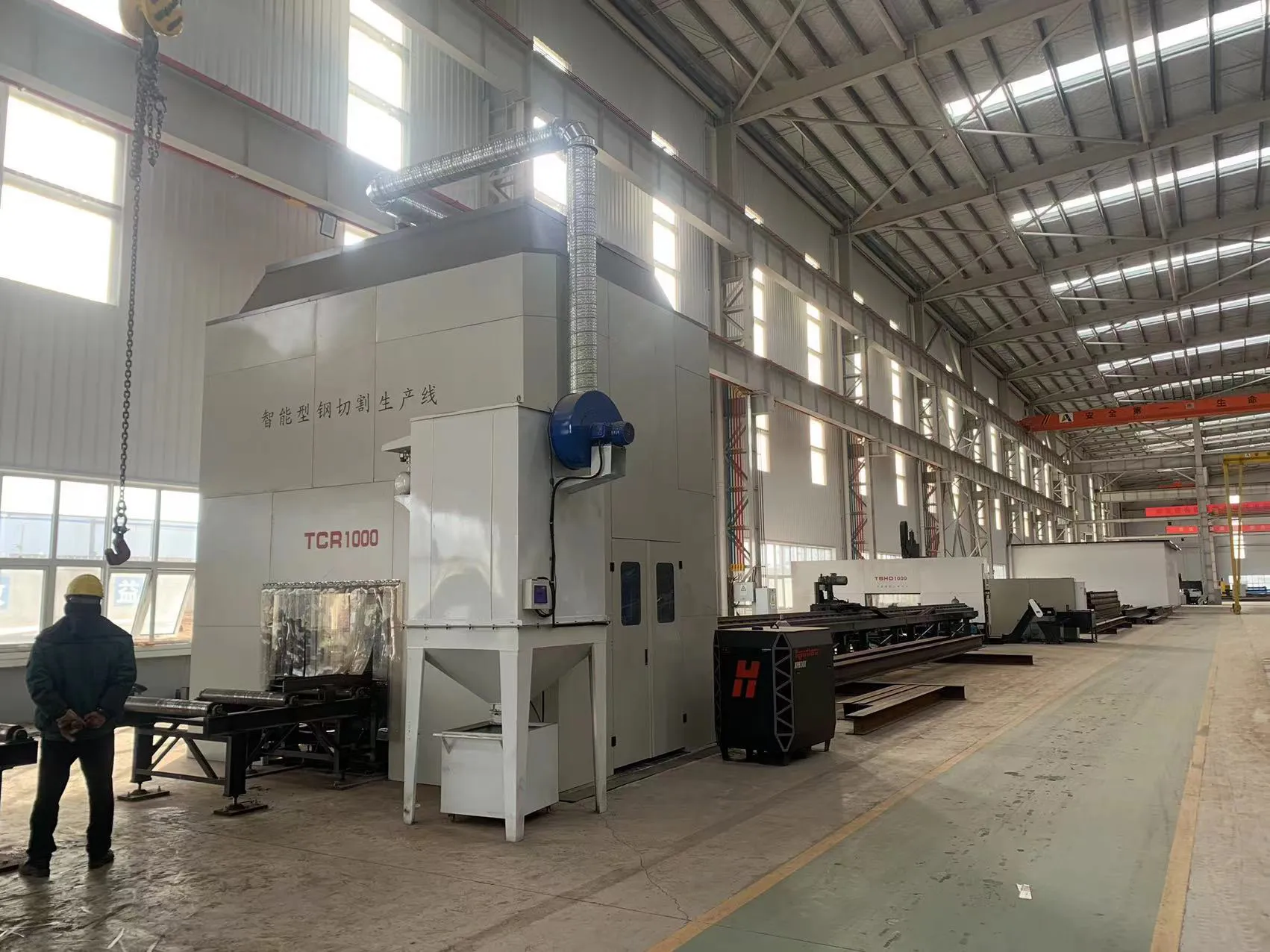 laser cutting machine” style=”width: 100%; max-width: 800px; height: auto; margin: 20px 0;”>
Technical Specifications of the 3kW Fiber Laser
The 3kW fiber laser operates at a wavelength typically around 1.06 microns. This wavelength is highly absorbable by metallic surfaces, making it significantly more efficient than older CO2 technology. For a fabricator in Puebla, this translates to lower electricity consumption and higher cutting speeds on thin to medium-gauge materials. In sheet metal laser cutting, the 3kW power level is particularly effective for galvanized steel thicknesses ranging from 0.5mm to 12mm, with the most efficient “high-speed” zone falling between 1mm and 6mm.
The beam quality (BPP) of a 3kW source allows for a very fine focal spot. This precision is vital when cutting intricate geometries or small holes that are often required in the assembly of complex automotive brackets or electronic cabinets. Furthermore, the solid-state nature of the fiber laser means there are no internal mirrors or bellows to maintain, which is a significant advantage in the dusty industrial environments sometimes found in the outskirts of Puebla.
The Challenges of Cutting Galvanized Steel
Galvanized steel is a preferred material in Puebla’s construction and automotive industries due to its excellent corrosion resistance. However, for laser cutting, it presents unique metallurgical challenges. Galvanized steel is essentially carbon steel coated with a layer of zinc. The melting point of zinc (approximately 419°C) is significantly lower than that of the underlying steel (approximately 1500°C).
When the laser beam hits the surface, the zinc coating vaporizes before the steel melts. This can lead to several issues:
- Internal Pressure: The rapidly expanding zinc vapor can interfere with the stability of the laser melt pool, leading to increased dross (slag) on the underside of the cut.
- Back-Reflection: While fiber lasers are better at handling reflections than CO2 lasers, the shiny surface of galvanized coating can still reflect energy back into the cutting head if not managed correctly.
- Fume Generation: Zinc oxide fumes are toxic and can accumulate quickly. High-quality extraction systems are mandatory for any laser cutting operation in Puebla to comply with environmental and occupational health standards.
Optimizing Parameters for Galvanized Material
To achieve a clean, burr-free edge on galvanized steel with a 3kW laser, operators must fine-tune their parameters. The choice of assist gas is the most critical factor. For most industrial applications in Puebla, Nitrogen is the preferred assist gas for galvanized steel. Nitrogen acts as a mechanical force to blow away the molten metal without causing an exothermic reaction. This results in a “cold cut” that preserves the integrity of the zinc coating near the edge, preventing premature rust.
If speed is the priority and edge discoloration is acceptable, Oxygen can be used. However, Oxygen reacts with the zinc and the steel, often leading to a more violent cutting process and a rougher surface finish. For 3kW systems, using high-pressure Nitrogen (typically between 12 and 18 bar) ensures that the zinc vapor is cleared from the kerf instantly, allowing the laser cutting process to proceed smoothly at high velocities.

Environmental and Geographic Considerations in Puebla
Operating a 3kW laser cutting system in Puebla requires consideration of the local geography. Puebla sits at an altitude of approximately 2,135 meters (7,000 feet) above sea level. The lower atmospheric pressure at this altitude can affect the behavior of assist gases and the cooling efficiency of the machine’s chiller system.
Altitude and Gas Dynamics
At higher altitudes, air is less dense. This can slightly alter the dynamics of the gas jet as it exits the nozzle. Engineers may find that they need to adjust the nozzle clearance or slightly increase gas pressure compared to settings used at sea-level facilities. Precision in gas delivery is paramount to ensure the laser cutting remains consistent across large sheets of galvanized steel.
Temperature and Humidity Control
Puebla experiences a range of temperatures and seasonal humidity. Fiber lasers are sensitive to internal condensation. It is vital that the laser source and the cutting head are kept in a temperature-controlled environment or that the machine’s chiller is equipped with an active heating/cooling circuit that maintains the coolant temperature just above the dew point. This prevents moisture from forming on the sensitive optics, which could lead to catastrophic failure during the laser cutting process.
Operational Best Practices for 3kW Systems
To maximize the ROI of a 3kW laser in the Puebla market, shops must implement rigorous operational protocols. This begins with material handling. Galvanized sheets should be kept dry and clean. Any white rust (zinc oxidation) on the surface can absorb the laser energy inconsistently, leading to “blowouts” during the cut.
Nozzle Selection and Centering
For galvanized steel, a double-layer nozzle is often recommended when using Oxygen, but for the high-pressure Nitrogen cutting common in 3kW applications, a single-layer nozzle with a diameter of 1.5mm to 2.5mm is standard. Ensuring the nozzle is perfectly centered over the beam is the difference between a part that requires post-processing and one that is ready for the assembly line. In the competitive Puebla manufacturing landscape, eliminating secondary grinding operations is a key way to reduce costs.
Nesting and Heat Management
Modern laser cutting software allows for advanced nesting. When processing thin galvanized sheets, heat buildup can cause the material to warp. Using “bridge” cutting or “common-line” cutting not only saves material but also manages the thermal load on the sheet. By distributed the cutting path across the table, the operator ensures that no single area of the galvanized steel becomes too hot, which helps maintain dimensional tolerances.
Maintenance for Longevity in Industrial Hubs
In a high-output environment like Puebla, machine uptime is the most important metric. For a 3kW fiber laser, maintenance is relatively straightforward but must be disciplined. The primary focus is on the optical path and the cleanliness of the protective windows.
Protective Window Care
The protective window (or cover glass) is the final barrier between the cutting process and the expensive internal optics of the laser head. Given the “spitting” nature of zinc during galvanized laser cutting, these windows can become contaminated quickly. Operators should inspect the window every shift. Any dust or singe marks must be cleaned with optical-grade wipes and high-purity isopropyl alcohol.
Chiller and Filtration Systems
The chiller is the heart of the machine’s thermal management. In Puebla’s industrial zones, dust can accumulate in the chiller’s heat exchanger, reducing its efficiency. Monthly cleaning of the filters and an annual coolant replacement are mandatory. Similarly, the dust extraction system must be maintained. Cutting galvanized steel produces fine zinc oxide dust which can clog filters faster than standard carbon steel dust. A pulse-jet cleaning system on the dust collector is highly recommended for continuous operation.
The Economic Impact of Laser Cutting in Puebla
The transition to 3kW fiber laser technology has allowed small and medium enterprises (SMEs) in Puebla to compete with larger international firms. The high speed of laser cutting reduces the “cost per part,” making local fabrication more attractive than importing components. As the automotive industry shifts toward electric vehicles (EVs), the demand for lightweight, galvanized structural components is increasing. The 3kW laser is perfectly positioned to handle the high-strength steels and coated materials required for this new generation of vehicles.
Furthermore, the integration of CNC laser cutting with local CAD/CAM expertise in Puebla has fostered a culture of innovation. Rapid prototyping of galvanized parts allows for faster design cycles, enabling local engineers to iterate on designs in days rather than weeks.
Conclusion
The 3kW sheet metal laser is a transformative tool for the fabrication industry in Puebla. By understanding the specific requirements of galvanized steel—from gas pressures to the metallurgical behavior of zinc—operators can produce world-class components that meet the rigorous standards of the global supply chain. As technology continues to evolve, the combination of Puebla’s skilled workforce and high-performance laser cutting systems will ensure the region remains at the forefront of industrial excellence.













