Introduction to 1.5kW Fiber laser cutting in Mexico City
The industrial landscape of Mexico City (CDMX) and its surrounding metropolitan areas, such as Naucalpan and Tlalnepantla, has seen a significant shift toward advanced manufacturing technologies. Among these, the 1.5kW fiber laser cutting machine has emerged as a cornerstone for small to medium-sized enterprises (SMEs) specializing in metal fabrication. This specific power rating offers an optimal balance between capital investment and operational capability, particularly when processing non-ferrous metals like aluminum alloy.
Aluminum alloy is prized in the Mexican automotive and aerospace sectors for its high strength-to-weight ratio and corrosion resistance. However, laser cutting aluminum presents unique engineering challenges due to its high reflectivity and high thermal conductivity. A 1.5kW fiber laser source, utilizing a 1.06-micron wavelength, is engineered to overcome these physical barriers more efficiently than traditional CO2 lasers, providing a precise, high-speed solution for the modern workshop.
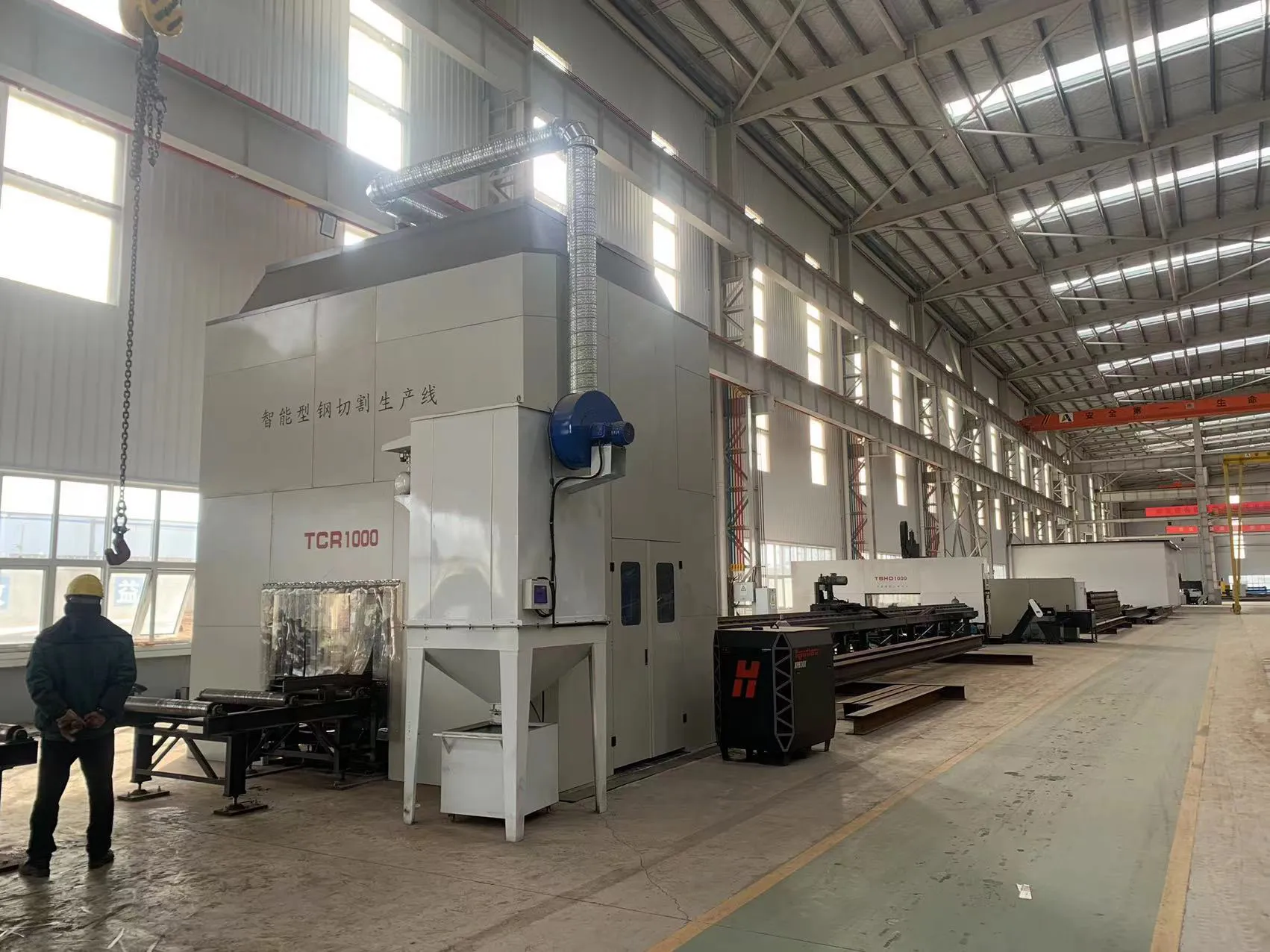
Technical Specifications and Aluminum Processing Capabilities
A 1.5kW fiber laser cutting system is generally classified as a medium-power industrial tool. When configured for aluminum alloy, the machine’s performance is dictated by the beam quality (BPP) and the efficiency of the power delivery system. In the context of aluminum alloys such as 5052, 6061, and 7075, a 1.5kW source can typically handle thicknesses ranging from 0.5mm to 6mm with high precision, and up to 8mm for non-critical structural components.
Reflectivity and the Fiber Advantage
One of the primary hurdles in laser cutting aluminum is its tendency to reflect infrared light. In older CO2 systems, this back-reflection could travel back into the resonator, causing catastrophic damage. Fiber lasers utilize an optical fiber delivery system that is inherently more resistant to back-reflection. Furthermore, the 1.064-micrometer wavelength of a fiber laser is absorbed much more readily by aluminum than the 10.6-micrometer wavelength of a CO2 laser. This increased absorption rate allows for faster piercing and cleaner cut edges at lower power settings.
Thermal Conductivity Management
Aluminum dissipates heat rapidly. During the laser cutting process, the heat-affected zone (HAZ) can expand quickly if the cutting speed is too low, leading to melting and deformation. The 1.5kW fiber laser provides sufficient power density to maintain a high feed rate, ensuring that the energy is concentrated on the kerf rather than bleeding into the surrounding material. This results in narrower kerfs and higher dimensional accuracy, which is critical for the precision components required by the automotive assembly plants in the State of Mexico.
The Impact of Mexico City’s Altitude on Laser Operations
Operating a 1.5kW fiber laser cutting machine in Mexico City requires specific engineering considerations due to the city’s high altitude (approximately 2,240 meters above sea level). The atmospheric pressure in CDMX is roughly 25% lower than at sea level, which directly affects several aspects of the laser cutting process.
Assist Gas Dynamics at High Altitude
Laser cutting aluminum relies heavily on assist gases—typically Nitrogen for a clean, oxide-free finish, or Oxygen for thicker sections where exothermic reactions are needed. At higher altitudes, the lower air density changes the Reynolds number of the gas flow as it exits the nozzle. Engineers must often increase the gas pressure settings to achieve the same mass flow rate required to eject molten aluminum from the kerf. For a 1.5kW system, optimizing the nozzle diameter and the standoff distance becomes even more critical to compensate for the thinner atmosphere.
Cooling System Efficiency
The chiller unit is the heart of the fiber laser’s longevity. Fiber laser sources and cutting heads generate significant heat that must be dissipated. In the lower air density of Mexico City, air-cooled heat exchangers (radiators) in the chiller are less efficient. It is often recommended to over-spec the cooling system or ensure the workshop has superior ventilation to prevent the laser source from reaching critical temperature thresholds, which could trigger automatic shutdowns or degrade the diode life.
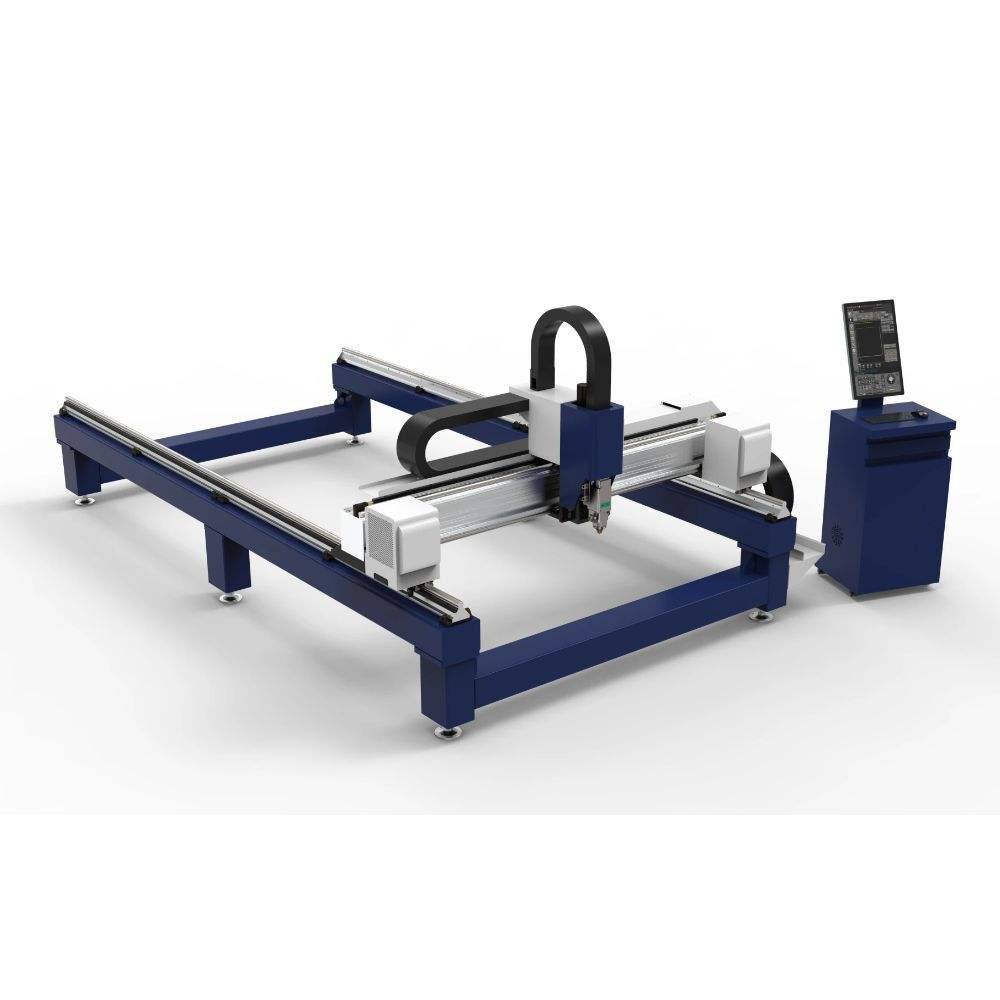
Optimal Parameters for Aluminum Alloy Fabrication
To achieve a “burr-free” finish on aluminum alloys with a 1.5kW laser, operators must fine-tune several variables. Aluminum is sensitive to the focal position of the laser beam. Unlike carbon steel, where the focus is often on the surface, aluminum usually requires a negative focus (below the material surface) to ensure the energy is distributed through the thickness of the plate.
Selecting the Right Assist Gas
For most aluminum applications in Mexico City’s industrial shops, Nitrogen is the preferred assist gas. It acts as a shielding agent, preventing the formation of aluminum oxide on the cut edge. This is vital if the parts are to be welded or painted later, as oxide layers interfere with weld integrity and paint adhesion. While Compressed Air can be used as a cost-effective alternative for 1.5kW machines, it often leaves a slight dross on the bottom edge due to the presence of oxygen and moisture, necessitating secondary finishing processes.
Cutting Speed and Nozzle Selection
For 2mm 6061-T6 aluminum, a 1.5kW fiber laser can achieve speeds of approximately 8 to 12 meters per minute depending on the machine’s motion system. Using a double-layer nozzle is generally recommended for aluminum to stabilize the gas flow. Engineers should monitor nozzle wear closely; because aluminum is “sticky” when molten, spatters can easily adhere to the nozzle tip, disrupting the gas flow and the laser beam path, leading to inconsistent laser cutting quality.
Maintenance and Environmental Considerations in CDMX
The urban environment of Mexico City presents specific maintenance challenges for high-tech machinery. The combination of high particulate matter (smog) and varying humidity levels can impact the sensitive optics of a fiber laser cutting machine.
Optical Path Protection
While the fiber itself is a sealed system, the cutting head contains several protective windows and lenses. In an environment like CDMX, fine dust can penetrate the cutting head during nozzle changes. It is imperative that maintenance is performed in a clean, controlled area. Even a microscopic speck of dust on the protective window can absorb the 1.5kW laser energy, heat up rapidly, and shatter the lens, leading to expensive downtime.
Electrical Stability
The electrical grid in some industrial zones of Mexico City can experience fluctuations. Fiber lasers are sensitive to voltage spikes and drops. Installing a high-quality industrial voltage stabilizer and a proper grounding system is non-negotiable for protecting the laser source’s electronics. A 1.5kW machine typically requires a stable 220V or 380V three-phase supply, and any variance can lead to inconsistent laser power output and poor cut quality.
Economic Advantage for Local Manufacturers
Investing in a 1.5kW fiber laser cutting machine provides a significant competitive edge for Mexican workshops. Compared to waterjet cutting or plasma cutting, the fiber laser offers a much lower cost per part due to its high speed and minimal consumable requirements. For aluminum, the precision of the laser cutting process reduces material waste—a critical factor given the fluctuating prices of raw aluminum in the global market.
Furthermore, the ability to offer high-precision aluminum components locally allows Mexico City-based shops to integrate more deeply into the supply chains of multinational corporations operating in the Bajío region. The 1.5kW power level is particularly suited for producing enclosures, brackets, and decorative architectural panels, which are in high demand in the local construction and electronics sectors.
Conclusion: The Future of Laser Cutting in Mexico
The 1.5kW fiber laser cutting machine represents the ideal entry point for professional-grade aluminum fabrication in Mexico City. By understanding the interplay between laser physics, material science, and local environmental conditions, manufacturers can maximize the potential of this technology. As the industry moves toward “Industry 4.0,” the integration of these machines with CNC automation and smart monitoring will further enhance the productivity of the Mexican manufacturing sector.
With proper calibration for altitude, a rigorous maintenance schedule, and optimized cutting parameters, a 1.5kW fiber laser is not just a tool, but a transformative asset for any workshop aiming to master the complexities of aluminum alloy fabrication in one of the world’s most dynamic industrial hubs.













