The Engineering Evolution: 30kW Tube laser cutting for Aluminum Alloys
The industrial landscape of Mexico City (CDMX) and its surrounding metropolitan areas, such as Naucalpan and Tlalnepantla, is undergoing a significant technological transformation. As the demand for lightweight, high-strength structural components rises in the automotive and aerospace sectors, the adoption of ultra-high-power 30kW fiber laser systems has become a strategic necessity. For processing aluminum alloys—materials known for their high thermal conductivity and reflectivity—the 30kW threshold represents a paradigm shift in efficiency and precision.
Laser cutting at 30kW is not merely an incremental upgrade from 10kW or 20kW systems; it is a fundamental change in how energy interacts with the molecular structure of aluminum. In the context of tube and profile processing, this power level allows for the high-speed fabrication of complex geometries in thick-walled sections that were previously restricted to mechanical sawing or plasma cutting. This guide explores the technical nuances of operating these machines within the unique environmental and economic climate of Mexico City.
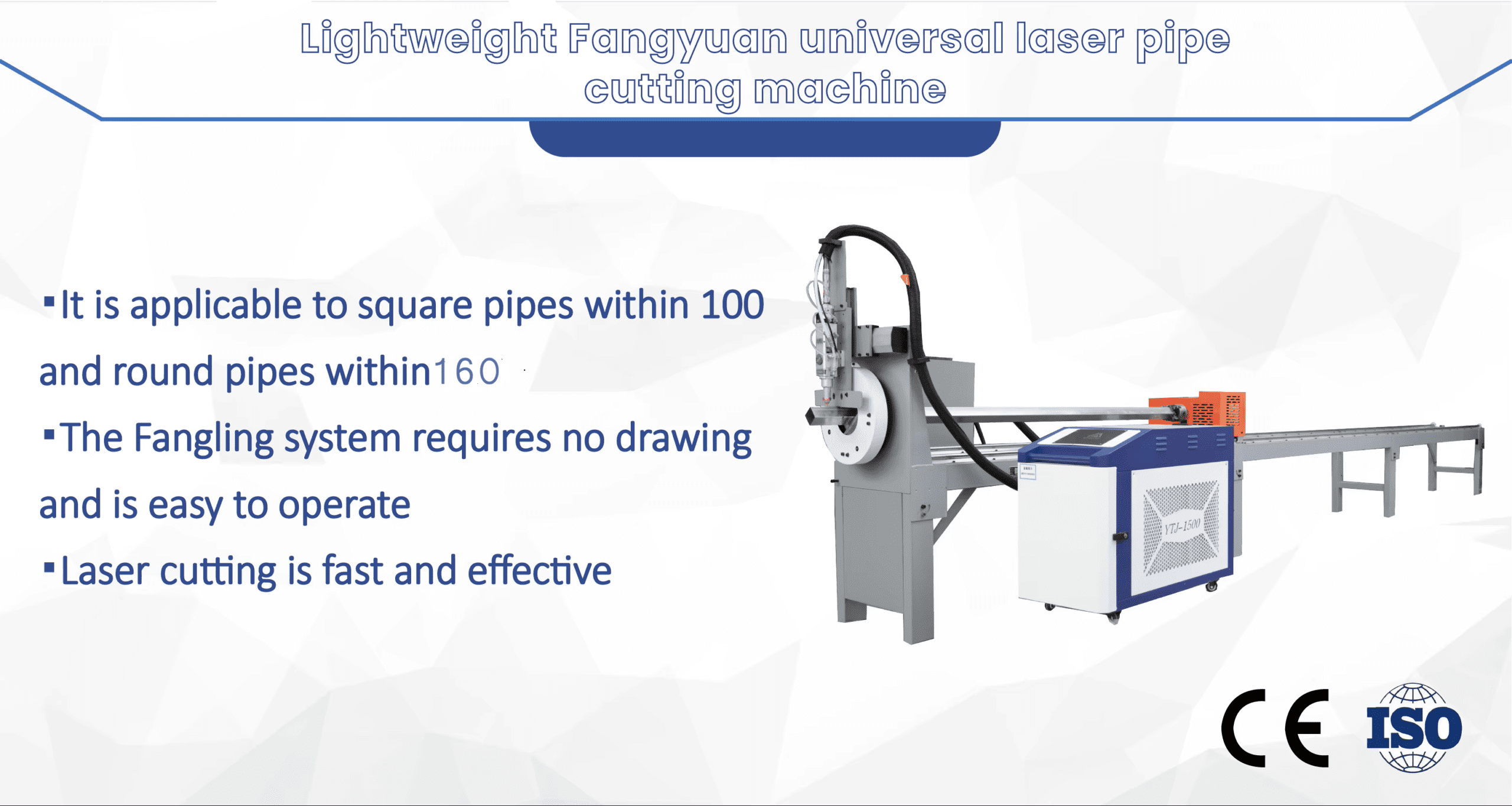 laser cutter” style=”max-width: 100%; height: auto; margin: 20px 0;”>
Technical Advantages of 30kW Power Density in Aluminum Processing
Aluminum alloys, particularly the 6000 and 7000 series commonly used in structural engineering, present specific challenges for laser cutting. Aluminum reflects a significant portion of infrared light at the start of the cutting process. A 30kW fiber laser provides the necessary “power punch” to instantly overcome this reflectivity, establishing a stable keyhole and ensuring a consistent melt pool. This high power density results in a smaller heat-affected zone (HAZ), which is critical for maintaining the mechanical properties of tempered alloys like 6061-T6.
Furthermore, the increased wattage allows for significantly higher feed rates. In tube processing, where the laser must often travel across varying wall thicknesses and profiles (round, square, or rectangular), the 30kW capacity ensures that the machine maintains peak velocity. This reduces the time the material is exposed to heat, preventing the “dross” or burr formation that typically plagues lower-power aluminum cutting. The result is a mirror-like edge finish that requires zero post-processing, a vital factor for the high-volume manufacturing lines found in the Mexico City industrial corridor.
Optimizing Laser Cutting for the High-Altitude Climate of Mexico City
Operating a 30kW tube laser in Mexico City requires specific engineering considerations due to the city’s altitude of approximately 2,240 meters above sea level. The atmospheric pressure in CDMX is roughly 25% lower than at sea level, which directly impacts the physics of the assist gases used in laser cutting. Whether utilizing Nitrogen for a clean, oxide-free cut or Oxygen for specific heavy-gauge applications, the gas dynamics change in thinner air.
Engineers must calibrate the nozzle pressure and flow rates to compensate for this lower ambient pressure. In 30kW systems, the volume of gas required to clear the molten aluminum from the kerf is substantial. At high altitudes, the cooling effect of the assist gas is slightly diminished, necessitating a more robust chilling system for the laser source and the cutting head. Utilizing a dual-circuit high-capacity chiller is mandatory to ensure the 30kW resonator remains within a narrow temperature band, preventing thermal drift and maintaining beam quality during long production shifts in the variable climate of the Valley of Mexico.
Material Science: Handling Reflectivity and Thermal Conductivity
Aluminum’s high thermal conductivity means that heat dissipates rapidly from the cutting point into the rest of the tube. In lower-power systems, this often leads to the entire workpiece heating up, causing dimensional inaccuracies due to thermal expansion. The 30kW laser cutting process operates so rapidly that the heat is localized almost entirely within the kerf. This “cold cutting” effect is essential for maintaining the tight tolerances required in the aerospace components being developed in the nearby Queretaro-CDMX aerospace cluster.
To mitigate back-reflection—which can damage the fiber delivery system—modern 30kW machines are equipped with advanced optical isolators and sensors. When processing highly reflective aluminum alloys, the software real-time monitors the back-reflection levels. The sheer power of 30kW allows the beam to penetrate the material so quickly that the window of time where reflection is a risk is minimized compared to 4kW or 6kW systems.
 laser cutting machine” style=”max-width: 100%; height: auto; margin: 20px 0;”>
Gas Selection and Edge Quality in Heavy-Wall Aluminum Tubes
For 30kW tube laser cutting, Nitrogen is the preferred assist gas for aluminum. It acts as a mechanical force to eject the melt without reacting chemically with the metal. This preserves the weldability of the cut edge, which is a primary concern for Mexican manufacturers producing automotive frames or architectural structures. Oxygen is rarely used for aluminum as it can lead to heavy oxidation and a jagged edge, but with 30kW of power, some specialized “Air Cutting” techniques are becoming viable.
Air cutting (using compressed, filtered, and dried shop air) at 30kW offers a significant cost advantage for local shops in Mexico City. The high power allows the laser to blast through aluminum tubes with wall thicknesses up to 15mm or 20mm using only compressed air, achieving speeds that outperform Nitrogen cutting on lower-power machines. However, this requires a high-pressure air compressor and a sophisticated filtration system to ensure no oil or moisture reaches the 30kW cutting head, which could be catastrophic for the optics.
Mechanical Stability and Chuck Precision
A 30kW laser is only as good as the machine’s motion system. When cutting aluminum tubes, which are lighter than steel but often used in larger diameters, the mechanical stability of the tube laser is paramount. High-speed laser cutting generates significant centrifugal forces during the rotation of square or rectangular profiles. The machine must feature heavy-duty, synchronized electric chucks that can grip the aluminum without deforming the surface while maintaining sub-millimeter precision at high RPMs.
In Mexico’s manufacturing environment, where “just-in-time” delivery is the standard for the automotive supply chain, machine uptime is critical. The 30kW systems typically feature automated loading and unloading systems. For aluminum, which is prone to surface scratching, these loading systems must be equipped with non-marring rollers and supports. The integration of 30kW power with automated material handling allows a single facility in Mexico City to process thousands of meters of aluminum tubing per day with minimal human intervention.
Maintenance and Safety Protocols for High-Power Systems
Operating a 30kW laser cutting system involves significant safety responsibilities. The “invisible” nature of the fiber laser beam means that the machine must be fully enclosed in a Class 1 laser-safe housing. In the busy industrial zones of Mexico City, ensuring that staff are trained in high-power laser safety is a regulatory and ethical requirement. The protective windows (OD7+ rating) must be inspected daily for any signs of pitting or damage.
Maintenance schedules for 30kW systems are more rigorous than for lower-wattage machines. The high energy throughput means that the protective cover slips in the cutting head are under immense stress. Even a microscopic speck of dust can be vaporized by the 30kW beam, leading to a “burn-back” that can damage the internal lenses. Clean-room conditions during lens replacement and the use of high-purity gases are non-negotiable for maintaining the longevity of the equipment.
Conclusion: The Future of Manufacturing in Mexico City
The implementation of 30kW tube laser cutting technology is a clear indicator of the maturity of the Mexican manufacturing sector. By mastering the complexities of aluminum alloy processing—from managing the high-altitude atmospheric challenges of Mexico City to optimizing gas dynamics for thick-walled profiles—local engineers are positioning their firms at the forefront of global industry. The 30kW fiber laser is not just a tool; it is a high-speed engine of economic growth, enabling the production of more complex, lighter, and stronger products than ever before.
As the “Nearshoring” trend continues to bring more sophisticated manufacturing back to North America, the ability to provide precision laser cutting services in Mexico City will be a key differentiator. Investing in 30kW technology today ensures that the local supply chain can meet the rigorous demands of tomorrow’s global engineering standards.













