Comprehensive Engineering Guide: 3kW Fiber laser cutting of Stainless Steel in Guadalajara
The industrial landscape of Guadalajara, often referred to as the “Silicon Valley of Mexico,” has undergone a massive transformation over the last decade. As the capital of Jalisco continues to evolve into a premier manufacturing hub for automotive, aerospace, and food processing industries, the demand for precision metal fabrication has skyrocketed. At the heart of this revolution is the 3kW fiber laser cutting machine, a piece of equipment that represents the perfect balance between power, precision, and operational cost-effectiveness, particularly when processing stainless steel.
Stainless steel is a cornerstone material for Guadalajara’s diverse industrial base. From the hygienic requirements of the region’s massive tequila and agave processing plants to the rigorous structural standards of the aerospace sector in Zapopan, the ability to perform high-quality laser cutting on stainless alloys is a critical competitive advantage. A 3kW fiber laser offers the specific energy density required to achieve clean, dross-free cuts on various grades of stainless steel, ranging from thin-gauge decorative panels to medium-thickness structural components.

The Technical Advantages of 3kW Fiber Laser Technology
The 3kW power rating is widely considered the “sweet spot” for many fabrication shops in Western Mexico. Unlike lower-wattage systems that may struggle with thicker materials or higher-wattage systems that require significant infrastructure investments, the 3kW fiber laser provides a versatile platform. Fiber laser cutting utilizes an optical fiber doped with rare-earth elements as the gain medium. The resulting beam has a wavelength of approximately 1.064 micrometers, which is highly absorbed by metals, particularly stainless steel.
When compared to legacy CO2 systems, fiber laser cutting at 3kW offers significantly higher electrical efficiency—often exceeding 30% wall-plug efficiency. For engineers in Guadalajara, where energy costs are a constant consideration in operational overhead, this efficiency translates directly to a lower cost per part. Furthermore, the solid-state nature of the fiber laser source eliminates the need for internal mirrors or laser gases, reducing maintenance intervals and downtime.
Optimizing Laser Cutting for Stainless Steel Grades
Stainless steel presents unique challenges during the laser cutting process due to its thermal conductivity and the way its molten pool behaves. In the Guadalajara market, the most common grades processed are 304, 304L, 316, and 430. Each requires specific parameter adjustments to ensure the edge quality meets international standards.
For stainless steel, the choice of assist gas is paramount. While oxygen can be used for carbon steel, stainless steel is almost exclusively cut using high-pressure nitrogen. The nitrogen acts as a shielding gas, blowing the molten metal out of the kerf before it can react with atmospheric oxygen. This prevents oxidation on the cut edge, resulting in a bright, silver finish that is ready for welding or immediate assembly without the need for secondary cleaning or grinding. In a 3kW system, nitrogen pressures typically range from 12 to 20 bar depending on the material thickness.
Material Thickness and Feed Rates
A 3kW fiber laser cutting machine is exceptionally proficient at handling stainless steel up to 10mm or 12mm in thickness. However, its peak performance is found in the 1mm to 6mm range. In this “golden zone,” the cutting speeds are remarkably high. For instance, 2mm stainless steel can often be cut at speeds exceeding 15 meters per minute, depending on the machine’s motion system and the complexity of the geometry.
Engineers must balance the “Focus Position” and “Nozzle Diameter” to achieve the best results. For thinner sheets, a slightly negative focus (just below the material surface) is preferred to concentrate the energy. As the thickness increases toward the 10mm limit of the 3kW source, the focus is typically moved deeper into the material or even to the bottom surface to ensure the kerf remains wide enough for the assist gas to clear the slag effectively.
The Industrial Context of Guadalajara and Jalisco
Guadalajara’s strategic location makes it a logistical powerhouse. With proximity to the port of Manzanillo and direct rail links to the United States, manufacturers in the region are often part of “just-in-time” supply chains. Implementing a 3kW fiber laser cutting system allows local shops to respond to orders with unprecedented speed. Whether it is custom brackets for an automotive assembly line in El Salto or precision components for medical devices, the fiber laser provides the agility needed to pivot between different production runs with minimal setup time.
Furthermore, the local labor market in Jalisco is increasingly skilled in CNC (Computer Numerical Control) operations. Modern 3kW machines utilize sophisticated software interfaces that allow for nesting optimization—reducing material waste, which is particularly important given the high cost of stainless steel alloys. Integrating CAD/CAM workflows into the laser cutting process ensures that the transition from design to finished part is seamless and error-free.
Critical Components of a 3kW Fiber Laser System
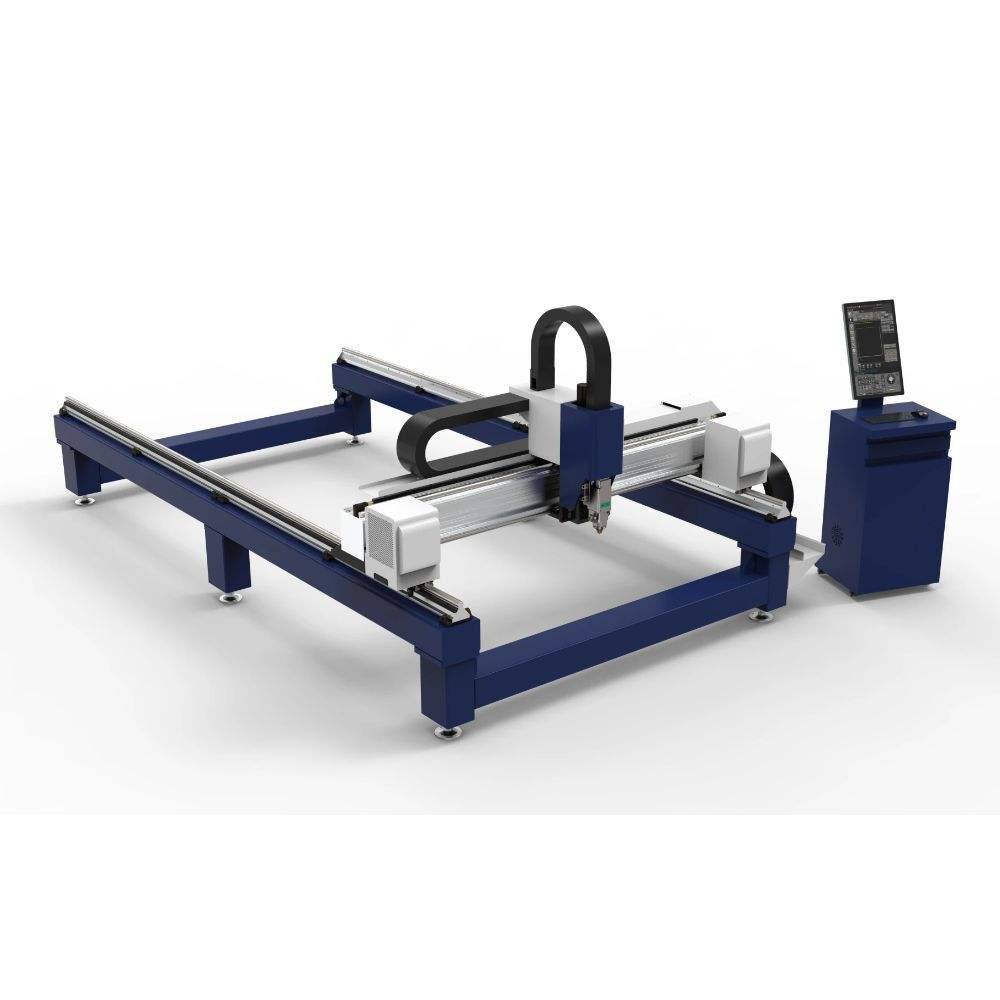
To maintain high precision in a demanding environment like Guadalajara, the machine’s construction must be robust. A 3kW system typically features:
- The Laser Source: Typically from reputable manufacturers like IPG, Raycus, or nLIGHT, ensuring consistent beam quality over thousands of hours of operation.
- Cutting Head with Auto-Focus: Essential for maintaining the correct standoff distance from the stainless steel sheet, especially if the material has slight warpage.
- Gantry and Bed: A heavy-duty, heat-treated frame is necessary to handle the high accelerations (often 1.0G to 1.5G) required to keep up with the 3kW beam’s cutting speed.
- Chiller System: Given the warm climate in Jalisco, a dual-circuit water chiller is vital to keep both the laser source and the cutting optics at a stable temperature.
Maintenance and Long-term Reliability
Maintenance of a fiber laser cutting machine is significantly simpler than that of older technologies, but it is not non-existent. For Guadalajara-based operators, the primary focus should be on “Optical Cleanliness.” The protective window (cover glass) of the cutting head must be inspected daily. Any dust or residue from the stainless steel cutting process can cause the lens to overheat and fail under the 3kW beam’s intensity.
Additionally, the quality of the compressed air and nitrogen must be monitored. Moisture or oil in the gas lines can contaminate the optics or degrade the cut quality. High-quality filtration systems are a mandatory investment for any shop looking to maximize the lifespan of their laser cutting equipment. Regularly lubricating the linear guides and checking the rack-and-pinion alignment will ensure the machine maintains its ±0.03mm positioning accuracy over years of heavy use.
Environmental and Economic Impact
The shift toward fiber laser technology also aligns with global sustainability goals. Because the 3kW fiber laser consumes less power and requires fewer consumables than traditional mechanical punching or plasma cutting, it reduces the carbon footprint of the manufacturing facility. In the competitive Guadalajara market, being able to market “green” manufacturing processes is becoming a requirement for securing contracts with multinational corporations.
From an economic perspective, the Return on Investment (ROI) for a 3kW machine is often realized within 18 to 24 months for shops running two shifts. The speed of laser cutting means that one machine can often replace two or three older CNC machines, freeing up valuable floor space in industrial parks where real estate prices continue to rise.
Conclusion: The Future of Fabrication in Guadalajara
The 3kW fiber laser cutting machine is more than just a tool; it is a catalyst for industrial growth in Guadalajara. By providing the ability to process stainless steel with extreme precision, high speed, and low operational costs, it empowers local manufacturers to compete on a global scale. As the region continues to attract high-tech investment, the integration of advanced laser cutting technology will remain a defining factor in the success of the Jalisco manufacturing sector.
For engineers and business owners in Guadalajara, investing in a 3kW system is a strategic move toward automation and precision. As long as the focus remains on proper parameter optimization, high-quality assist gases, and rigorous maintenance, the 3kW fiber laser will continue to be the workhorse of the modern stainless steel fabrication shop.













