The Paradigm Shift in High-Power Manufacturing: 30kW laser cutting in Puebla
The industrial landscape of Puebla, Mexico, has long been defined by its robust automotive and aerospace sectors. As global manufacturing standards evolve toward higher precision and faster turnaround times, the introduction of 30kW fiber laser cutting technology has emerged as a transformative force. For engineers and facility managers in Puebla’s industrial corridors—ranging from the Volkswagen and Audi supply chains to specialized aerospace fabrication—the leap to 30kW power levels represents more than just an incremental upgrade; it is a fundamental shift in how aluminum alloys and thick-plate materials are processed.
High-power laser cutting at the 30kW threshold offers unprecedented capabilities in processing non-ferrous metals, particularly aluminum alloys. In a region where the “Just-in-Time” (JIT) manufacturing model is the standard, the ability to maintain high feed rates without sacrificing edge quality is paramount. This guide explores the technical intricacies, economic advantages, and operational considerations of deploying a 30kW sheet metal laser in the unique industrial environment of Puebla.
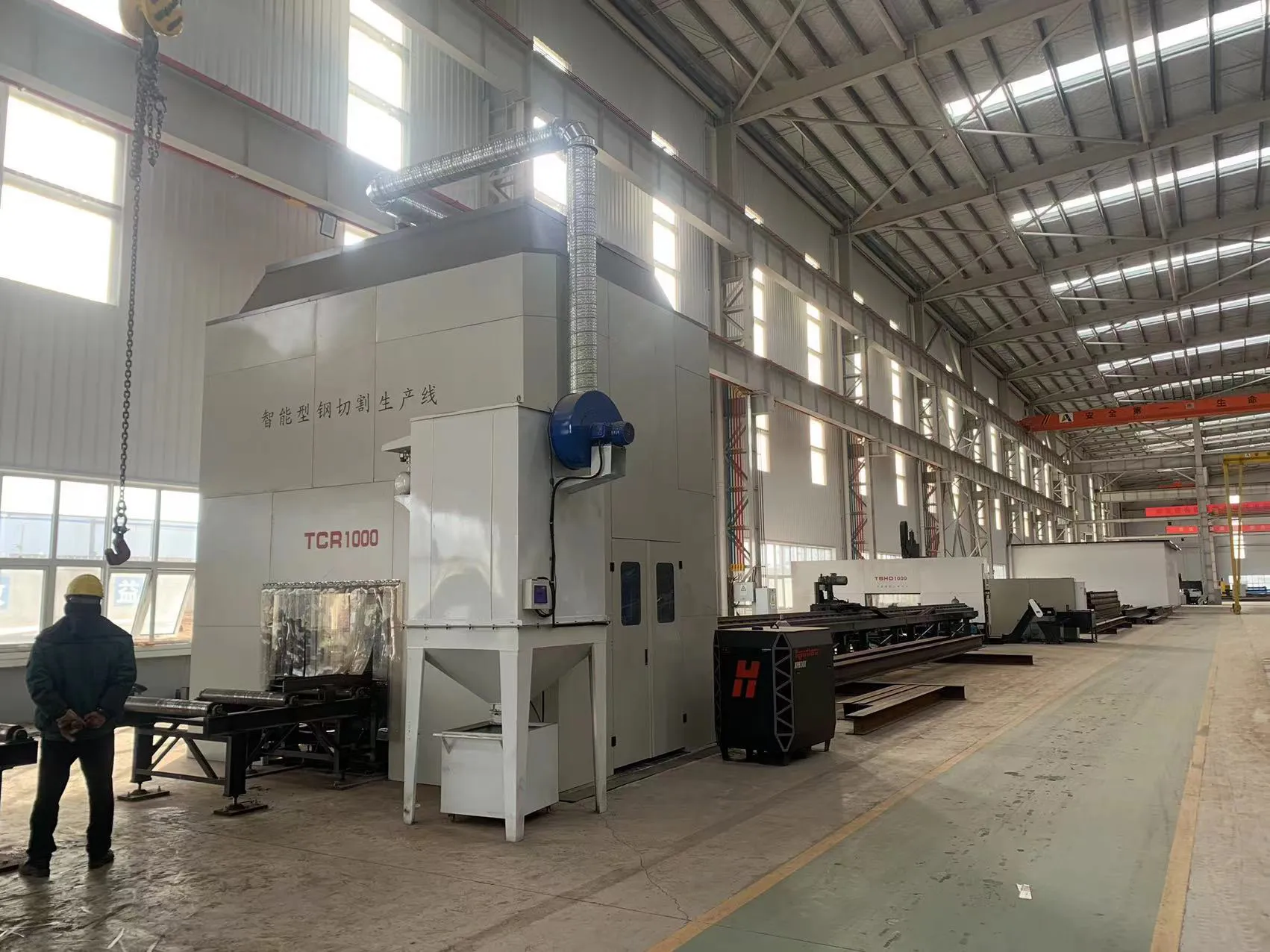 laser cutting machine for Sheet Metal”>
The Technical Advantage of 30kW for Aluminum Alloys
Aluminum alloys, such as the 5000 and 6000 series commonly used in automotive structural components and aerospace skins, present unique challenges for traditional laser systems. Aluminum is characterized by high thermal conductivity and high reflectivity. In lower-wattage systems, these properties often result in “back-reflection,” which can damage the laser source, or excessive dross formation on the underside of the cut.
A 30kW fiber laser overcomes these hurdles through sheer power density. At this power level, the laser cutting process transitions from a melting-and-blowing mechanism to a high-speed vaporization process. The energy density is so high that the material reaches its boiling point almost instantaneously, creating a cleaner kerf and significantly reducing the Heat Affected Zone (HAZ). For Puebla’s manufacturers, this means parts require less post-processing, such as deburring or edge grinding, directly impacting the bottom line.
Processing Thick-Plate Aluminum with Precision
Historically, thick aluminum plates (above 20mm) were the domain of plasma cutting or waterjet machining. However, plasma often lacks the precision required for tight-tolerance engineering, and waterjet is significantly slower and more expensive per part. The 30kW laser cutting system bridges this gap, allowing for the precision cutting of aluminum alloys up to 50mm or even 80mm in thickness with a verticality and surface finish that was previously unattainable.
In the context of Puebla’s heavy machinery and transport equipment industries, this capability allows for the fabrication of structural brackets, engine mounts, and chassis components with intricate geometries that would be impossible with mechanical shearing or punching. The high-frequency modulation of the 30kW source ensures that even at extreme thicknesses, the entry and exit points of the cut remain crisp and geometrically accurate.
Puebla’s Industrial Ecosystem and Laser Integration
Puebla serves as a strategic hub for North American manufacturing. With the proximity of the Port of Veracruz and the logistical connections to the United States, local fabricators are under constant pressure to compete on a global scale. Integrating 30kW laser cutting technology allows local Tier-1 and Tier-2 suppliers to increase their throughput exponentially.
The automotive cluster in Puebla, centered around the San José Chiapa and Cuautlancingo areas, demands materials that are both lightweight and strong. Aluminum alloys are the material of choice for reducing vehicle weight and increasing fuel efficiency. By utilizing a 30kW system, a facility can process three to four times the amount of sheet metal compared to a standard 6kW or 10kW system, effectively doing the work of multiple machines within the same floor space.

Optimizing Gas Dynamics for Aluminum Cutting
One of the most critical factors in 30kW laser cutting is the selection and management of assist gases. When processing aluminum alloys, the choice between Nitrogen and Oxygen (or even compressed air) significantly alters the result. For high-end applications in Puebla’s aerospace sector, Nitrogen is typically the preferred assist gas. It acts as a shielding agent, preventing oxidation of the aluminum and leaving a bright, weld-ready edge.
At 30kW, the gas pressure and nozzle design must be perfectly synchronized with the beam profile. High-speed nozzles are required to clear the molten aluminum from the kerf before it can solidify. Engineers must also consider the “Venturi effect” within the cut, ensuring that the gas flow remains laminar even at high feed rates. Proper gas management not only improves cut quality but also reduces the consumption of expensive consumables, a vital consideration for maintaining competitive pricing in the Mexican market.
Thermal Management and Environmental Considerations
Operating a 30kW laser generates a significant amount of heat, both within the machine’s internal components and at the point of the cut. In Puebla, where ambient temperatures can vary and humidity can fluctuate, a robust industrial chilling system is non-negotiable. The chiller must maintain the laser source and the cutting head at a stable temperature to prevent thermal drift, which can cause the focal point to shift during long production runs.
Furthermore, the high-speed vaporization of aluminum produces fine particulate matter. Advanced dust extraction and filtration systems are essential to comply with Mexican environmental regulations (NOM) and to ensure a safe working environment for operators. Modern 30kW systems are equipped with intelligent zoning extraction, which focuses the vacuum power directly under the cutting head, maximizing efficiency and minimizing energy consumption.
Economic Feasibility and Return on Investment (ROI)
While the initial capital expenditure for a 30kW laser cutting machine is higher than that of lower-power models, the ROI is often realized much faster due to the drastic reduction in “cost per part.” In a high-volume manufacturing environment like Puebla, the machine’s ability to cut thin-gauge aluminum at speeds exceeding 100 meters per minute means that the cycle time for a single sheet is reduced from minutes to seconds.
Additionally, the 30kW laser’s ability to handle a wider range of thicknesses means a single machine can replace several specialized tools. This consolidation leads to savings in labor, maintenance, and factory real estate. For Puebla-based companies looking to export components, the superior edge quality of high-power laser cutting provides a competitive edge in the international market, where quality benchmarks are increasingly stringent.
Maintenance and Local Support in Puebla
Maintenance is the cornerstone of longevity for high-power fiber lasers. The optical path must be kept pristine; even a microscopic speck of dust on a protective window can lead to catastrophic failure when subjected to 30,000 watts of energy. Local technical support in the Puebla-Tlaxcala region is a critical factor when selecting a machine provider. Having access to certified technicians who can perform preventative maintenance and provide rapid spare parts delivery—such as nozzles, ceramics, and protective lenses—is essential to minimizing downtime.
Operators must be trained in the specific nuances of high-power operation. This includes understanding beam alignment, nozzle centering, and the calibration of height sensors. Given the technical complexity, many firms in Puebla are investing in ongoing training programs to ensure their staff can fully leverage the capabilities of the 30kW system.
Conclusion: The Future of Fabrication
The adoption of 30kW laser cutting technology is a clear indicator of the maturing industrial capabilities in Puebla. By mastering the processing of aluminum alloys at these power levels, local manufacturers are positioning themselves at the forefront of the global supply chain. The combination of high-speed processing, extreme precision, and the ability to handle thick materials makes the 30kW fiber laser an indispensable tool for the modern factory.
As the automotive industry continues its transition toward electric vehicles (EVs)—which rely heavily on aluminum for battery enclosures and structural frames—the demand for high-power laser cutting will only intensify. For the engineering community in Puebla, the 30kW laser is not just a piece of equipment; it is the engine of future growth, enabling the production of more complex, higher-quality components at a pace that meets the demands of tomorrow’s global economy.













