Optimizing 1.5kW Precision Laser Systems for Galvanized Steel in Puebla’s Industrial Sector
The industrial landscape of Puebla, Mexico, has long been a cornerstone of the nation’s manufacturing prowess. As a primary hub for automotive giants and construction material suppliers, the demand for high-precision metal fabrication has never been higher. Among the various technologies driving this sector, the 1.5kW fiber laser system stands out as a versatile and efficient solution, particularly when processing galvanized steel. This guide explores the technical nuances, operational strategies, and environmental considerations essential for mastering laser cutting in the unique geographic and industrial context of Puebla.
The Technical Superiority of 1.5kW Fiber Lasers
A 1.5kW fiber laser system represents a “sweet spot” in power density for many small to medium enterprises (SMEs) in Puebla. Unlike CO2 lasers of the past, fiber laser technology utilizes an optical fiber doped with rare-earth elements to amplify light. This results in a beam with a significantly shorter wavelength (typically around 1.06 microns), which is absorbed more efficiently by metallic surfaces. For 1.5kW systems, this efficiency translates into high-speed processing of thin to medium-gauge materials, which are prevalent in automotive ducting, electrical enclosures, and structural reinforcements.
In the context of laser cutting, the 1.5kW power level offers a balance between capital investment and operational capability. It provides enough energy to maintain a stable kerf width while minimizing the Heat Affected Zone (HAZ), which is critical for maintaining the structural integrity of the base metal. In Puebla’s competitive manufacturing environment, the ability to produce clean, burr-free edges without the need for secondary finishing processes is a significant competitive advantage.
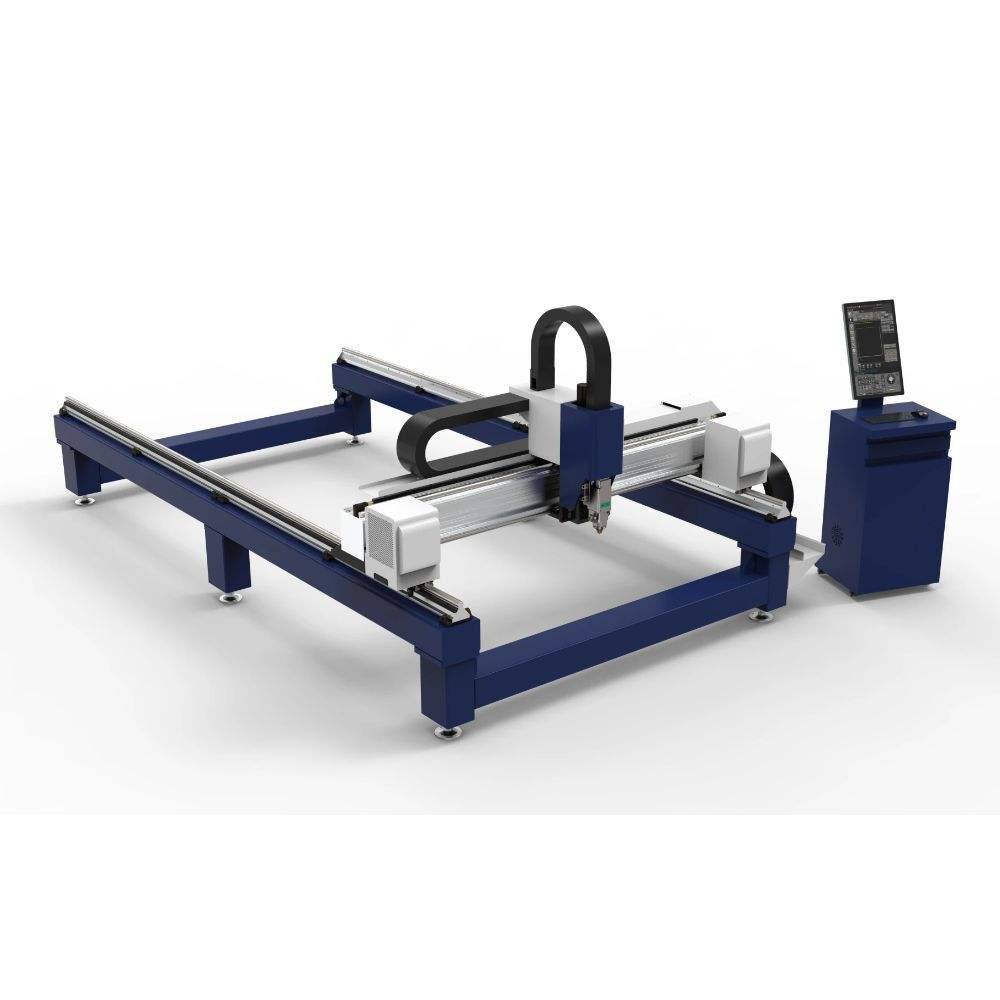
 laser cutting machine“>
Understanding the Challenges of Galvanized Steel
Galvanized steel—steel coated with a layer of zinc to prevent corrosion—presents unique challenges for laser cutting operators. The primary difficulty lies in the discrepancy between the melting and boiling points of the two materials. Zinc vaporizes at approximately 907°C, while steel melts at around 1,500°C. During the laser cutting process, the zinc coating often vaporizes before the steel melts, creating a high-pressure gas that can interfere with the stability of the laser beam and the assist gas flow.
For engineers in Puebla, managing this vaporization is key to preventing “dross” (re-solidified molten material) from adhering to the bottom of the cut. Furthermore, the zinc vapors can be hazardous if not properly managed through high-quality filtration systems, a necessity in modern Puebla workshops that must adhere to increasingly stringent environmental and occupational health standards.
Strategic Parameter Calibration for 1.5kW Systems
To achieve precision when cutting galvanized steel with a 1.5kW system, several parameters must be meticulously calibrated. These include the assist gas selection, nozzle geometry, and focal position. In Puebla’s high-altitude environment, these factors become even more critical due to changes in atmospheric pressure and oxygen density.
Assist Gas Selection: Nitrogen vs. Oxygen
The choice of assist gas is perhaps the most influential factor in the quality of the laser cutting result. For galvanized steel, Nitrogen is generally preferred. Nitrogen acts as a cooling agent and mechanical force to eject molten metal without causing oxidation. This results in a “bright” cut edge that retains the material’s weldability and aesthetic appeal. When using a 1.5kW laser, Nitrogen requires higher pressures (typically 12-18 bar) to effectively clear the zinc-infused melt.
Oxygen can be used for thicker sections of steel to increase cutting speeds via an exothermic reaction, but it often leads to a charred or oxidized edge on galvanized materials. This oxidation can compromise the corrosion resistance of the zinc coating near the cut line. Therefore, for precision components destined for Puebla’s automotive supply chains, high-purity Nitrogen is the industry standard.
Nozzle Geometry and Focal Point Management
The nozzle plays a vital role in directing the assist gas and protecting the focusing lens from backspatter. For 1.5kW laser cutting of galvanized steel, a double-nozzle design is often recommended. This configuration helps stabilize the gas flow and reduces turbulence, which is essential when the zinc layer begins to vaporize. The focal point should typically be set slightly below the surface of the material or on the bottom edge to ensure that the energy density is sufficient to pierce through both the zinc coating and the steel core simultaneously.
The Impact of Puebla’s Geography on Laser Operations
Operating a precision laser system in Puebla requires an understanding of the local geography. Situated at an elevation of approximately 2,135 meters (7,005 feet) above sea level, the air is thinner than at coastal locations. This altitude affects the efficiency of air-cooled chillers and the density of the gases used in the laser cutting process. Engineers must often compensate by increasing gas flow rates or adjusting the cooling cycles of the laser source to prevent overheating.
Furthermore, the fluctuating humidity levels in the Puebla valley can lead to condensation within the gas lines or on the optical components. Implementing high-grade air dryers and maintaining a climate-controlled environment for the laser resonator is vital for ensuring the longevity of the 1.5kW system. Precision optics are sensitive to even microscopic contaminants, which can be exacerbated by the dust levels common in industrial zones like Cuautlancingo or San José Chiapa.
Maintenance Protocols for High-Precision Output
To maintain the precision of a 1.5kW laser system, a rigorous maintenance schedule is non-negotiable. The optical path must be kept perfectly clean. In galvanized steel applications, the “smoke” produced is particularly tenacious and can coat the protective window of the laser head. Routine inspections—often every few hours of operation—are necessary to ensure that the protective glass is free of pits or residues.
The motion system, including the linear guides and rack-and-pinion drives, must be lubricated and checked for alignment. In the context of laser cutting, even a deviation of 0.05mm can lead to rejected parts in high-precision industries. Given Puebla’s role in the global manufacturing chain, maintaining ISO-certified tolerances is essential for local shops to secure contracts with international Tier 1 and Tier 2 suppliers.
Safety and Environmental Considerations
Cutting galvanized steel releases zinc oxide fumes, which can cause “metal fume fever” if inhaled. A 1.5kW system, while smaller than its 10kW counterparts, still produces a significant volume of these particulates due to its high processing speed. Effective dust extraction systems with HEPA filtration are mandatory. In Puebla, where environmental regulations are becoming more aligned with international standards (such as those from the US or EU), investing in a robust filtration unit is not just a safety measure but a legal requirement for sustainable operation.
Maximizing ROI in the Puebla Market
The return on investment (ROI) for a 1.5kW laser system in Puebla is realized through its versatility. While it excels at galvanized steel, the same machine can be used for stainless steel, aluminum, and carbon steel with minimal changeover time. For a local job shop, this flexibility allows for a diversified client base, ranging from architectural metalwork for Puebla’s expanding urban skyline to precision components for the agricultural machinery sector.
By optimizing the laser cutting parameters specifically for the local conditions and the nuances of galvanized material, operators can minimize waste and maximize throughput. In a region where energy costs and material prices are subject to market volatility, the efficiency of a 1.5kW fiber laser provides a stable foundation for profitable manufacturing.
Conclusion
The integration of 1.5kW precision laser systems into Puebla’s industrial fabric represents a leap forward in manufacturing capability. By understanding the interaction between the fiber laser beam and the zinc coating of galvanized steel, and by accounting for the unique atmospheric conditions of the Mexican highlands, manufacturers can achieve world-class results. Precision laser cutting is no longer a luxury but a fundamental necessity for any workshop aiming to compete in the modern industrial era. With proper maintenance, strategic parameter adjustment, and a focus on safety, the 1.5kW laser remains one of the most effective tools in the engineer’s arsenal for transforming galvanized steel into high-value components.













