Maximizing Production: The 20kW Sheet Metal Laser in Toluca’s Industrial Landscape
The industrial corridor of Toluca, Estado de México, has long been a cornerstone of the nation’s automotive and aerospace manufacturing sectors. As global supply chains demand higher precision and faster turnaround times, the integration of 20kW fiber laser technology has transitioned from a luxury to a strategic necessity. For facilities processing aluminum alloy, the leap to 20kW represents a paradigm shift in throughput and edge quality. This guide explores the technical intricacies of operating high-power laser cutting systems in the unique environmental and economic context of Toluca.
The Evolution of Fiber Laser Technology
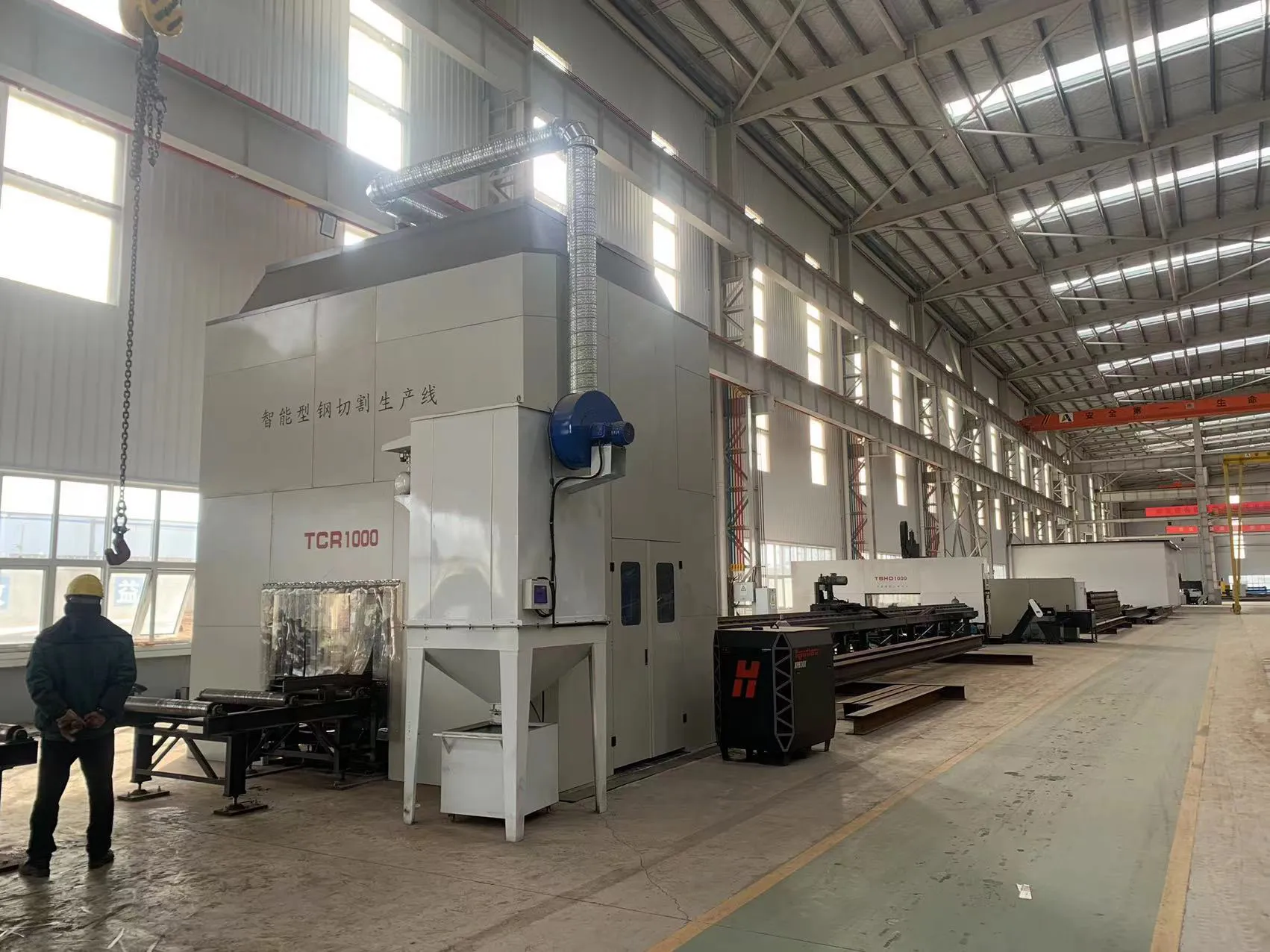
In the last decade, fiber laser technology has rapidly surpassed CO2 lasers in efficiency and maintenance costs. However, the move to ultra-high power—specifically the 20kW threshold—is about more than just raw force. A 20kW sheet metal laser utilizes a bank of fiber laser modules combined into a single beam. This high power density allows for the processing of thicker materials at speeds that were previously unthinkable. For a manufacturer in Toluca, where time-to-market is a critical KPI, the ability to cut through 25mm aluminum with the same ease as 5mm material provides a massive competitive advantage.
 laser cutting machine” style=”width: 100%; max-width: 800px; margin: 20px 0;”>
Why 20kW is the Benchmark for Aluminum Alloy
Aluminum alloy is notoriously difficult to process via traditional laser cutting methods due to its high thermal conductivity and high reflectivity. In lower-power systems (under 6kW), the laser beam often reflects off the surface of the aluminum, potentially damaging the optical components of the machine. Furthermore, the heat dissipates so quickly through the metal that maintaining a consistent melt pool is challenging.
The 20kW laser cutting system overcomes these hurdles through sheer intensity. At 20,000 watts, the energy delivered to the surface is so concentrated that it bypasses the reflective phase almost instantly, initiating a stable cut. This power allows for “vaporization cutting” in thinner gauges and high-speed melt-and-blow cutting in thicker plates, resulting in a significantly reduced Heat Affected Zone (HAZ).
Technical Advantages: Speed, Precision, and Edge Quality
When discussing 20kW systems, the primary metric is often speed. For example, when cutting 10mm aluminum alloy, a 20kW system can operate up to 300% faster than a 6kW counterpart. This isn’t just about finishing jobs sooner; it’s about the physics of the cut. Faster travel speeds mean less heat is transferred to the surrounding material, which prevents warping and maintains the structural integrity of the aluminum alloy.
Precision is also enhanced. High-power lasers often utilize advanced beam shaping technology, allowing the operator to adjust the beam profile based on the material thickness. For Toluca’s aerospace suppliers, who require tolerances within microns, the stability of a 20kW fiber source ensures that every part is identical, from the first cut of the shift to the last.
Impact of Toluca’s High-Altitude Environment on Laser Operations
Toluca sits at an elevation of approximately 2,660 meters above sea level. For industrial engineering, this altitude introduces specific variables that must be managed. The atmospheric pressure is lower, and the air is thinner, which affects the cooling efficiency of the laser’s chiller units and the behavior of assist gases.
High-power laser cutting generates significant heat. In Toluca’s thinner air, traditional air-cooling systems may struggle. It is imperative that 20kW systems in this region are equipped with oversized, high-efficiency water chillers to maintain the resonator and cutting head at optimal temperatures. Furthermore, the lower oxygen content in the ambient air can affect the combustion process if using compressed air as an assist gas, necessitating precise calibration of the gas delivery system.
Material Specifics: Cutting 5000 and 6000 Series Aluminum
In the Toluca industrial zone, the 5000 series (magnesium-alloyed) and 6000 series (silicon and magnesium-alloyed) are the most common aluminum grades. Each responds differently to laser cutting.
- 5000 Series: Known for its corrosion resistance, it is often used in marine and chemical applications. The 20kW laser handles the magnesium content well, though operators must monitor for dross accumulation on the underside of the sheet.
- 6000 Series: This is the workhorse of the automotive industry. It is more prone to cracking if the heat input is too high. The high speed of the 20kW laser cutting process is ideal here, as it minimizes the time the material spends at critical temperatures.
Gas Selection Strategies for 20kW Systems
The choice of assist gas is arguably the most important factor in achieving a “burr-free” finish on aluminum. For 20kW systems, there are three primary options:
Nitrogen: This is the gold standard for aluminum alloy. Nitrogen acts as a mechanical force to blow away the molten metal without reacting with it. This results in a clean, oxide-free edge that is ready for welding or painting without secondary processing. At 20kW, the volume of nitrogen required is substantial, often necessitating bulk liquid nitrogen tanks for Toluca-based facilities.
Oxygen: While rarely used for aluminum due to the heavy oxidation it causes, it can be used for very thick plates where speed is less important than simply getting through the material. However, for most Toluca manufacturers, the resulting edge quality is insufficient.
High-Pressure Air: With the power of 20kW, compressed air becomes a viable and cost-effective alternative for certain grades of aluminum. If the shop is equipped with a high-pressure filtration and drying system, air cutting can provide speeds similar to nitrogen at a fraction of the cost, though the edge will have a slight oxide layer.
Maintenance Protocols for High-Power Fiber Lasers
Maintaining a 20kW laser cutting machine requires a disciplined engineering approach. The optical path must be kept in pristine condition. Even a microscopic dust particle on a protective window can be vaporized by the 20kW beam, causing a “thermal lens” effect or, worse, destroying the cutting head.
In the dusty environments often found near construction or heavy industrial zones in Toluca, positive pressure systems within the laser housing are essential. Regular checks of the ceramic rings, nozzles, and protective glasses should be performed every shift. Furthermore, the beam alignment must be verified weekly to ensure that the power density remains centered, preventing asymmetrical dross and ensuring uniform parts.
Economic Viability and ROI for Mexican Fabricators
The capital expenditure for a 20kW sheet metal laser is significant. However, the Return on Investment (ROI) is calculated through the lens of capacity. A single 20kW machine can often replace two or three 4kW machines, reducing the footprint on the factory floor and requiring fewer operators. In Toluca, where labor costs are rising and the demand for “Just-In-Time” (JIT) delivery is high, the ability to process thick aluminum alloy in a single pass without secondary grinding is a major cost-saver.
Moreover, the energy efficiency of modern fiber lasers is remarkably high. A 20kW fiber laser converts electrical power to light at a rate of about 35-40%, compared to the 10% efficiency of older CO2 technology. This reduction in electricity consumption is a vital consideration for Mexican enterprises looking to meet ESG (Environmental, Social, and Governance) targets while lowering operational overhead.
Conclusion: The Future of Fabrication in Toluca
The adoption of 20kW laser cutting technology is more than an upgrade; it is a commitment to world-class manufacturing standards. For the fabricators of Toluca, mastering the nuances of aluminum alloy processing with these high-power systems opens doors to international contracts in the automotive, rail, and energy sectors. By understanding the interplay between high-altitude atmospheric conditions, material science, and laser physics, engineers can unlock the full potential of these machines, ensuring that the “Made in Mexico” label continues to represent precision and technological excellence.













