Introduction to 6kW Tube laser cutting in the Mexico City Industrial Corridor
The industrial landscape of Mexico City (CDMX) and its surrounding metropolitan areas, such as Tlalnepantla and Vallejo, has undergone a significant technological shift. As the demand for precision-engineered components in the automotive, aerospace, and construction sectors grows, the adoption of high-power fiber laser technology has become a necessity. Specifically, the 6kW tube laser cutter has emerged as the gold standard for processing aluminum alloy profiles. This guide explores the technical nuances of operating a 6kW system, with a specific focus on the unique environmental and material challenges faced by manufacturers in Mexico City.
The Technical Advantage of 6kW Fiber Laser Power
In the realm of laser cutting, power defines both capability and throughput. A 6kW fiber laser source provides a substantial leap in performance compared to lower-wattage entry-level machines. For aluminum alloys, which are characterized by high thermal conductivity and high reflectivity, the 6kW threshold is critical. At this power level, the laser beam possesses sufficient energy density to overcome the initial reflectance of the aluminum surface instantaneously, establishing a stable melt pool.
The 6kW system allows for significantly higher feed rates on medium-thickness tubing. For instance, while a 3kW machine might struggle with 8mm aluminum walls, a 6kW system maintains high-velocity laser cutting, resulting in a smaller Heat Affected Zone (HAZ) and a cleaner edge finish. This is particularly vital for structural aluminum components used in the Mexican automotive supply chain, where tolerances are stringent and post-processing must be minimized.
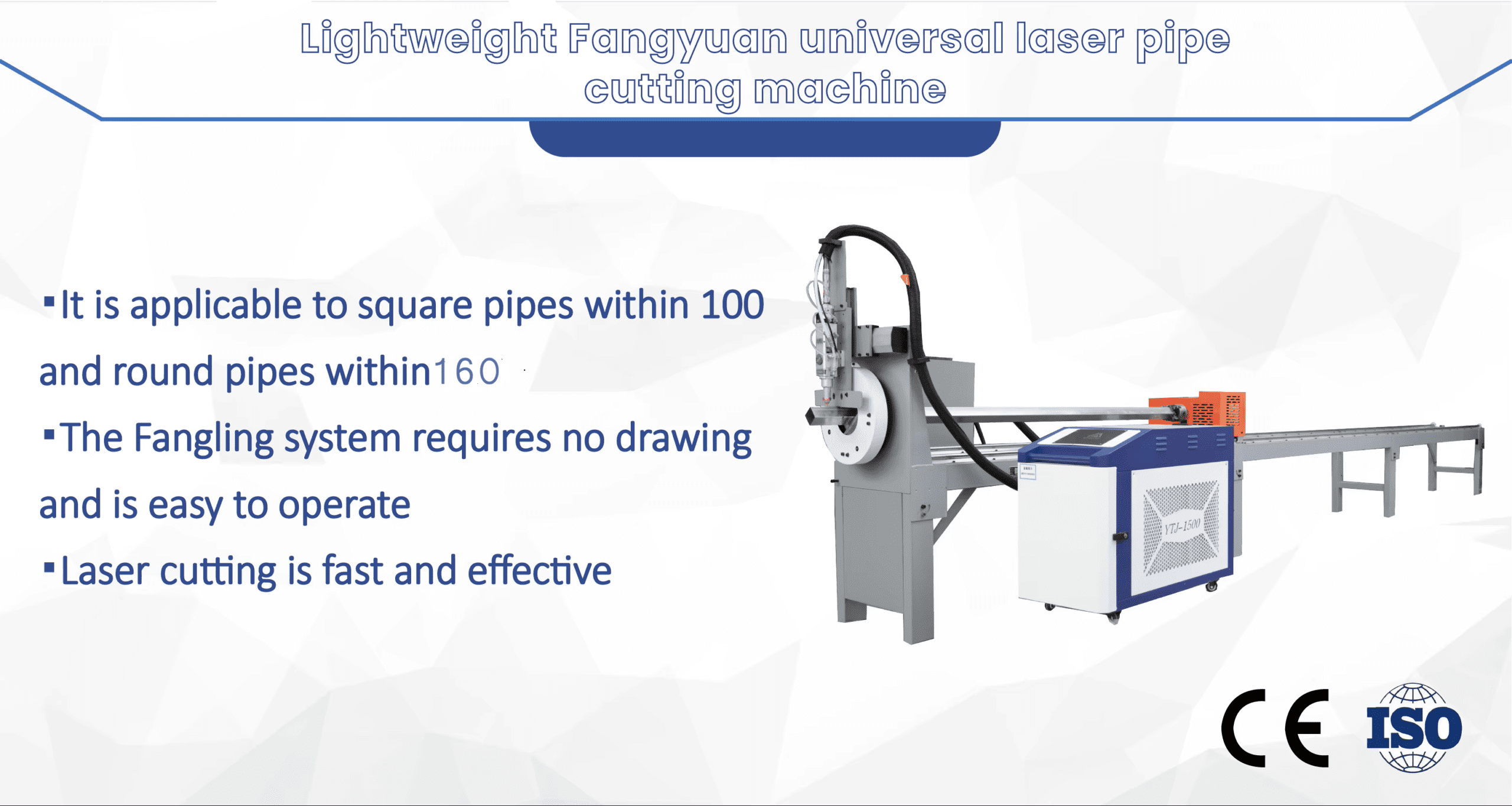
Handling Aluminum Alloy Reflectivity
Aluminum is a non-ferrous metal that reflects a significant portion of laser radiation, particularly in the 1.06-micron wavelength typical of fiber lasers. Without sufficient power and proper optical protection, back-reflection can damage the laser resonator. Modern 6kW machines are equipped with back-reflection isolators and advanced sensing technology. In Mexico City’s high-output environments, ensuring these sensors are calibrated is the first step in maintaining machine longevity. The 6kW power enables “piercing at speed,” reducing the time the laser dwells on a single spot, which further mitigates the risks associated with reflected energy.
Geographic Considerations: Operating in Mexico City
Manufacturing in Mexico City presents unique challenges that are often overlooked in standard machine manuals. The city sits at an elevation of approximately 2,240 meters (7,350 feet) above sea level. This high-altitude environment affects the physics of laser cutting in two primary ways: atmospheric pressure and cooling efficiency.
Altitude and Assist Gas Dynamics
At 2,240 meters, the atmospheric pressure is roughly 25% lower than at sea level. This change in air density affects the dynamics of the assist gas (typically Nitrogen or Oxygen) as it exits the nozzle. For aluminum laser cutting, Nitrogen is the preferred assist gas to prevent oxidation. However, in the thinner air of CDMX, the gas jet expansion behaves differently. Engineers must often compensate by slightly increasing the gas pressure (measured in bars) to ensure the molten aluminum is effectively purged from the kerf. Failure to adjust for altitude can lead to “dross” or “slag” accumulation on the bottom of the tube.
Cooling Systems and Thermal Management
The 6kW laser source and the cutting head generate significant heat. Most systems utilize a dual-circuit water chiller. In Mexico City’s climate, which can experience rapid temperature swings and lower air density for heat exchange, the chiller’s efficiency is reduced. It is imperative that shops in CDMX use high-performance refrigerants and ensure that the chiller units are placed in well-ventilated areas with dust filtration. Overheating is a leading cause of laser diode degradation; therefore, monitoring the delta-T (temperature difference) is a daily operational requirement.

Material Specifics: Processing Aluminum Alloys
The 6kW tube laser is most commonly used for the 5000 and 6000 series aluminum alloys, which are prevalent in the Mexican market. Each series requires specific parameter sets to achieve an optimal cut.
6061 and 6063 Alloys
These are the workhorses of the architectural and structural industries in Mexico. They contain magnesium and silicon, which make them relatively easy to machine but prone to cracking if the heat input is too high. The 6kW laser cutting process allows for high-speed pulses that “stitch” the cut, reducing the overall thermal load on the tube. This prevents the warping of long architectural extrusions, which is a common issue when using traditional mechanical sawing or lower-power lasers.
5052 and 5083 Alloys
Commonly used in marine and chemical applications, these alloys have higher magnesium content. They are more reflective than the 6000 series. When processing these on a 6kW tube laser, the focal point must be set deeper into the material (negative focus) to ensure that the energy is concentrated throughout the wall thickness. This ensures that the laser cutting path remains consistent even if the tube has slight wall thickness variations.
Optimizing the 6kW Tube Cutting Process
To maximize the ROI of a 6kW investment in Mexico City, operators must master the interplay between software and hardware. Tube laser cutting involves more variables than flat-sheet cutting because the machine must synchronize the rotation of the chuck with the movement of the gantry.
Nesting and Software Integration
Advanced nesting software is essential for reducing material waste. In the Mexican market, where raw aluminum prices can fluctuate based on international trade, saving 5% of material through better nesting can result in thousands of dollars in annual savings. The 6kW system’s controller should be capable of “Common Line Cutting,” where two parts share a single cut path, further increasing efficiency and reducing the number of pierces required.
Nozzle Selection and Maintenance
For a 6kW output, the nozzle choice is critical. Double-layer nozzles are typically used for Oxygen cutting, but for the high-pressure Nitrogen cutting required for aluminum, a single-layer high-speed nozzle is preferred. In the dusty environments sometimes found in industrial zones like Naucalpan, the nozzle and the protective window must be inspected every few hours. Even a microscopic speck of dust on the lens can be magnified by the 6kW beam, leading to a catastrophic lens “burn-back.”
Maintenance Protocols for the CDMX Environment
A 6kW tube laser is a precision instrument that requires a rigorous maintenance schedule, especially in a high-altitude, high-dust metropolis. The following protocols are recommended for Mexican manufacturing facilities:
- Optical Path Cleaning: Given the air quality challenges in Mexico City, the external optical path and the cutting head sensors must be cleaned with specialized wipes and high-purity isopropyl alcohol daily.
- Chiller Fluid Replacement: Use deionized water with approved algaecides. In CDMX, the water hardness can be high; never use tap water in the cooling circuit.
- Lubrication of Chucks and Rails: The mechanical components that rotate the aluminum tubes are subject to fine aluminum dust. This dust is abrasive. Automated lubrication systems should be checked weekly to ensure they are purging the debris from the guide rails.
Safety Standards and Training
Operating a 6kW laser requires adherence to international safety standards (such as ANSI Z136.1 or ISO 11553). In Mexico, the NOM (Norma Oficial Mexicana) standards also apply to workplace safety. The 6kW beam is invisible and can cause permanent eye damage or fires instantly. Facilities in Mexico City must ensure that all operators are trained in “Laser Safety Officer” (LSO) protocols. The use of Class 4 laser-rated enclosures is non-negotiable for 6kW systems to protect the surrounding workforce from stray reflections off the aluminum surface.
Conclusion: The Future of Fabrication in Mexico
The integration of 6kW tube laser cutting technology represents a significant milestone for the Mexican manufacturing sector. By understanding the specific requirements of aluminum alloys and the environmental variables of Mexico City, fabricators can achieve unprecedented levels of precision and productivity. As the region continues to attract high-tech investment, the ability to process complex aluminum profiles with speed and accuracy will be the primary differentiator for successful enterprises. Investing in 6kW technology is not just about power; it is about the capability to compete on a global stage from the heart of Mexico.













