Mastering Brass Fabrication: The 20kW Fiber laser cutting Revolution in Toluca
The industrial landscape of Toluca, State of Mexico, has long been a cornerstone of the nation’s manufacturing prowess. As home to some of the most advanced automotive, aerospace, and electrical engineering clusters, the demand for precision, speed, and material versatility is relentless. Among the various technologies driving this evolution, the 20kW fiber laser cutting machine stands out as a transformative force, particularly when processing highly reflective and thermally conductive materials like brass.
For decades, brass fabrication posed significant challenges for traditional laser systems. However, the advent of ultra-high-power fiber lasers—specifically the 20kW variant—has redefined the boundaries of what is possible. This guide explores the technical intricacies, operational advantages, and localized industrial benefits of deploying 20kW fiber technology for brass fabrication within the unique economic ecosystem of Toluca.
The Evolution of High-Power Fiber Laser Cutting
Fiber laser technology has undergone a rapid metamorphosis over the last decade. While 2kW and 4kW systems were once the industry standard for thin sheet metal, the push toward higher wattages has been driven by the need for greater throughput and the ability to process thicker plates without sacrificing edge quality. A 20kW fiber laser represents the “ultra-high-power” tier, offering a power density that allows for the efficient vaporization of metal at speeds previously thought unattainable.
In the context of laser cutting, the “fiber” refers to the gain medium—an optical fiber doped with rare-earth elements. This design results in a beam with exceptional quality and a small spot size, which is critical for maintaining precision. When scaled to 20kW, the machine provides the kinetic energy necessary to pierce thick brass sections almost instantaneously, minimizing the heat-affected zone (HAZ) and preventing the structural warping often associated with plasma or traditional mechanical cutting.
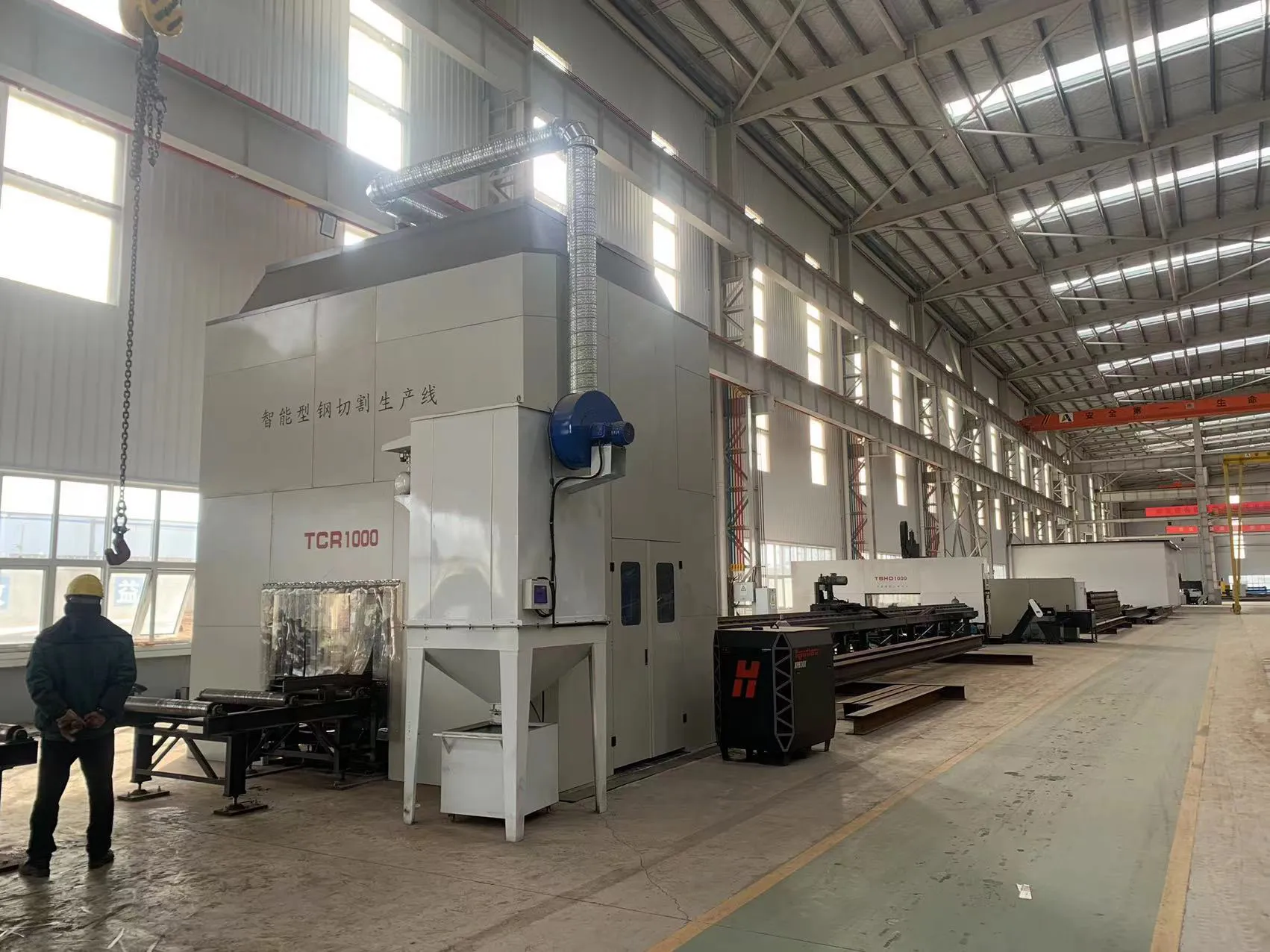
 laser cutting machine for Plate and Tube” style=”max-width: 100%; height: auto; margin: 20px 0;”>
The Physics of Cutting Brass: Overcoming Reflectivity
Brass is an alloy of copper and zinc, and like its parent metals, it is notoriously difficult to process using laser cutting due to its high reflectivity and high thermal conductivity. In lower-power CO2 laser systems, the beam is often reflected back into the optics, causing catastrophic damage to the machine. Even early-generation fiber lasers struggled with “back-reflection” when attempting to cut polished brass.
The 20kW fiber laser solves this through two primary mechanisms:
1. Wavelength Absorption: The 1.06-micron wavelength of a fiber laser is absorbed much more readily by brass than the 10.6-micron wavelength of a CO2 laser.
2. Brute Force and Speed: At 20,000 watts, the energy delivered to the material surface is so intense that the brass reaches its melting and vaporization points before the reflection can destabilize the beam. This allows for a stable, continuous cut even on mirror-finished brass plates.
Industrial Applications in Toluca’s Manufacturing Sector
Toluca’s industrial parks, such as Parque Industrial Toluca 2000 and Exportec, house a diverse range of manufacturers that rely on brass components. The 20kW fiber laser cutting machine serves several key sectors in the region:
Automotive and Transportation
The automotive corridor in the State of Mexico requires high volumes of brass connectors, terminals, and decorative interior trim. The speed of a 20kW system allows manufacturers to meet Just-In-Time (JIT) delivery schedules while maintaining the strict tolerances required by Tier 1 and Tier 2 suppliers.
Electrical and Electronics
Brass is prized for its electrical conductivity. Switchgear components, busbars, and complex terminal blocks are frequently fabricated in Toluca. A 20kW fiber laser can cut through thick brass busbars (up to 20mm or more) with a clean edge that requires no secondary finishing, significantly reducing the cost per part.
Aerospace and Defense
Precision is non-negotiable in aerospace. The 20kW fiber laser cutting process provides the repeatability and narrow kerf width necessary for intricate brass bushings and specialized instrumentation components used in avionics.
Technical Parameters: Optimizing the 20kW Cut
Achieving a “dross-free” finish on brass requires precise calibration of the 20kW system. Engineers in Toluca must consider several variables to optimize the laser cutting process:
Assist Gas Selection
Nitrogen is the preferred assist gas for brass. It acts as a mechanical force to blow the molten metal out of the kerf while preventing oxidation. At 20kW, high-pressure nitrogen ensures the edges remain bright and free of the dark oxide layer that oxygen-assisted cutting might produce. For very thick brass, some shops experiment with compressed air to reduce costs, though this requires a high-capacity filtration and drying system.
Nozzle Geometry
The nozzle design is critical for maintaining a stable gas flow. For 20kW applications, double-layer nozzles are often used to provide a more focused gas stream, which is essential when cutting thick brass sections where the molten pool is more substantial.
Focus Position and Frequency
Unlike carbon steel, where the focus is often on the surface, cutting brass with a high-power fiber laser typically requires a negative focus (below the material surface). This helps in distributing the 20kW of energy throughout the thickness of the plate, ensuring a consistent melt throughout the depth of the cut.
Operational Advantages in the Toluca Environment
Operating high-power machinery in Toluca presents unique environmental factors. Located at an altitude of approximately 2,600 meters, the atmospheric pressure is lower than at sea level. This can affect the cooling efficiency of chillers and the behavior of assist gases.
Advanced Cooling Systems
A 20kW fiber laser generates significant heat within the resonator and the cutting head. In Toluca’s climate, which can vary from dry winters to humid rainy seasons, a robust, dual-circuit water chiller is mandatory. These systems must be rated for the altitude to ensure the laser source remains within its optimal operating temperature range, preventing “thermal drift” that can affect cutting accuracy.
Energy Efficiency
While 20kW sounds like a high energy requirement, fiber lasers are remarkably efficient compared to older technologies. The wall-plug efficiency of a fiber laser is roughly 30-40%, whereas CO2 lasers hover around 10%. For a high-production shop in Mexico, where energy costs are a significant overhead factor, the 20kW fiber laser cutting machine offers a lower cost-per-part due to its sheer speed and reduced idle time.
Maintenance and Longevity
To maintain a 20kW fiber laser cutting machine in peak condition, a proactive maintenance schedule is essential. Given the industrial dust present in manufacturing hubs like Toluca, the following areas require attention:
Optical Cleanliness
The protective windows in the cutting head must be inspected daily. Even a microscopic speck of brass dust can absorb the 20kW beam, leading to a “lens explosion” or damage to the collimating lenses. Cleanroom protocols should be followed whenever optics are serviced.
Beam Alignment
While fiber lasers are generally more stable than CO2 lasers (which require complex mirror alignments), the centering of the beam through the nozzle is vital. At 20kW, even a slight misalignment can cause the beam to clip the nozzle, resulting in poor cut quality and frequent consumable replacement.
The Economic Impact for Toluca Fabricators
Investing in a 20kW fiber laser cutting machine is a significant capital expenditure, but the Return on Investment (ROI) is driven by the ability to take on jobs that competitors with 4kW or 6kW machines cannot handle. In Toluca, where the competition for automotive contracts is fierce, the ability to cut 15mm brass plate at speeds five times faster than a 6kW machine provides a massive competitive edge.
Furthermore, the 20kW system reduces the need for secondary processes. Traditional methods of cutting thick brass often leave heavy burrs or require CNC milling to achieve the final dimensions. The precision of the 20kW fiber laser allows parts to move directly from the cutting table to the assembly line or the next stage of fabrication, such as bending or welding.
Conclusion: The Future of Metalworking in the State of Mexico
The integration of 20kW fiber laser cutting technology is more than just an upgrade in power; it is a shift in manufacturing philosophy. For the workshops and factories of Toluca, it represents an opportunity to elevate their capabilities to a global standard. As brass continues to be a vital material in the transition toward electric vehicles (EVs) and renewable energy infrastructure—both of which have a growing footprint in Mexico—the 20kW fiber laser will be the tool that defines the next generation of industrial success.
By understanding the physics of the laser-material interaction, optimizing technical parameters for the local environment, and maintaining the rigorous standards of high-power optics, Toluca’s manufacturers can unlock the full potential of brass fabrication, ensuring the region remains a powerhouse of North American manufacturing for years to come.













