Comprehensive Guide to 1.5kW Tube laser cutting for Galvanized Steel in Mexico City
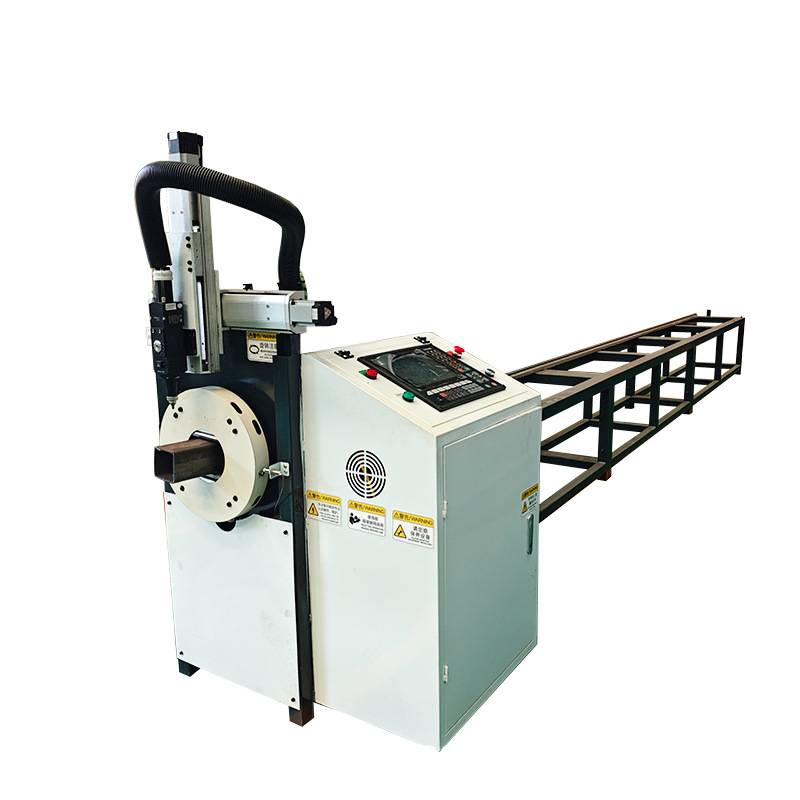
The industrial landscape of Mexico City (CDMX) and its surrounding metropolitan areas, such as Tlalnepantla and Naucalpan, has seen a significant shift toward automation in metal fabrication. Among the most versatile tools in the modern workshop is the 1.5kW fiber tube laser cutting machine. This power level represents the “sweet spot” for many manufacturers, offering a balance between capital investment and high-speed performance, particularly when processing galvanized steel tubes used in construction, automotive parts, and urban infrastructure.
Operating a fiber laser at the altitude of Mexico City—approximately 2,240 meters above sea level—presents unique engineering challenges and opportunities. This guide explores the technical nuances of 1.5kW laser cutting technology, specifically tailored for galvanized materials within the unique environmental conditions of the Valley of Mexico.
The Technical Advantage of 1.5kW Fiber Technology
A 1.5kW fiber laser source is engineered to deliver a highly concentrated beam of light with a wavelength of approximately 1.06 microns. This wavelength is ideal for absorption by metallic surfaces. In the context of tube processing, the 1.5kW threshold allows for rapid piercing and high-speed linear cutting of wall thicknesses typically ranging from 0.8mm to 4.0mm in carbon steel and galvanized variants.
Unlike CO2 lasers, fiber systems utilize solid-state diodes to create the beam, which is then delivered through a flexible fiber optic cable. This eliminates the need for complex mirrors and bellows, reducing maintenance requirements—a critical factor for shops in industrial zones like Vallejo where dust and particulates can interfere with sensitive optical paths. The high beam quality (M2 factor) of a 1.5kW source ensures a narrow kerf width, allowing for intricate geometries and tight tolerances required in modern engineering designs.

Processing Galvanized Steel: Overcoming the Zinc Barrier
Galvanized steel is essentially carbon steel coated with a layer of zinc to prevent corrosion. While excellent for longevity, this coating introduces complexities during the laser cutting process. Zinc has a much lower vaporization temperature (approx. 907°C) than the underlying steel (approx. 1,500°C). As the laser beam interacts with the material, the zinc coating tends to vaporize violently before the steel melts, which can lead to instability in the cutting plasma.
To achieve a clean cut on galvanized tubes, the 1.5kW system must be tuned to manage this vaporization. If the parameters are incorrect, the vaporized zinc can be trapped in the molten pool of steel, leading to porosity or “dross” (hardened slag) on the bottom edge of the cut. For engineers in Mexico City, where material costs fluctuate with international markets, minimizing scrap through precise parameter management is essential for maintaining profitability.
Environmental Considerations: The Mexico City Factor
Operating high-precision laser cutting machinery in Mexico City requires accounting for the high altitude and lower air density. At 2,240 meters, the atmospheric pressure is roughly 25% lower than at sea level. This affects the machine in several ways:
- Cooling Efficiency: Laser chillers rely on heat exchange with the ambient air. Lower air density reduces the mass flow of air across the condenser coils, meaning the chiller must work harder to maintain the laser source and cutting head at the optimal 20-25°C. It is often recommended to upsize the cooling unit or ensure superior ventilation in the facility.
- Assist Gas Dynamics: The behavior of assist gases (Nitrogen or Oxygen) changes at altitude. The lower ambient pressure can affect the supersonic flow of gas through the nozzle. Operators may find they need to increase the pressure settings slightly compared to manufacturer specifications established at sea level to achieve the same mechanical “push” to clear the molten material from the kerf.
- Pneumatic Systems: Many tube lasers use pneumatic chucks to hold and rotate the material. Compressors in CDMX take longer to reach target pressures, and moisture removal becomes even more critical due to the temperature fluctuations common in the high-altitude plateau.
Optimizing Cutting Parameters for 1.5kW Systems
When laser cutting galvanized tube, the choice of assist gas is the most critical decision for the engineer. For a 1.5kW system, the two primary options are Oxygen and Nitrogen, each offering distinct results.
Nitrogen vs. Oxygen Assist Gas
Nitrogen (High-Pressure Cutting): This is the preferred method for high-quality finishes on galvanized steel. Nitrogen acts as a mechanical force to blow away the molten metal without reacting with it. Because it is an inert gas, it prevents oxidation of the cut edge. For galvanized materials, using Nitrogen at pressures between 12 and 18 bar allows the laser to “vaporize” through the zinc and steel, leaving a bright, weld-ready edge. However, the 1.5kW power limit means that as wall thickness increases beyond 3mm, cutting speeds with Nitrogen will drop significantly.
Oxygen (Exothermic Cutting): Oxygen reacts with the iron in the steel, creating an exothermic reaction that adds thermal energy to the process. This allows a 1.5kW laser to cut thicker tubes (up to 6mm or more) at reasonable speeds. The downside is that Oxygen promotes the burning of the zinc coating, often resulting in a wider heat-affected zone (HAZ) and a blackened, oxidized edge that must be cleaned if the part is to be painted or welded later. In the competitive Mexico City market, the time saved in cutting must be weighed against the time spent in secondary cleaning operations.
Nozzle Selection and Focal Position
For galvanized tube, a double-layer nozzle is often utilized when using Oxygen, while a large-diameter single nozzle is standard for Nitrogen. The focal position—where the laser beam is most concentrated—should typically be set slightly inside the material (negative focus) for thicker walls to ensure the energy penetrates the full thickness of the tube. For thin-walled galvanized conduit (1.2mm – 1.5mm), a focus position at the surface (0.0mm) or slightly above can produce the fastest travel speeds.
Safety and Fume Extraction in Urban Environments
A specific concern for laser cutting galvanized steel is the production of zinc oxide fumes. Inhaling these fumes can lead to “metal fume fever,” a temporary but debilitating condition. Mexico City has strict environmental regulations (via SEDEMA) regarding industrial emissions. A 1.5kW tube laser must be equipped with a high-capacity dust extraction and filtration system.
The filtration unit should utilize HEPA filters and, ideally, a spark arrestor to prevent the hot dross from the laser cutting process from igniting the filter media. Because the tubes are hollow, the smoke often travels down the length of the tube rather than being caught by the main extraction hood. Specialized “through-the-chuck” extraction systems are highly recommended for tube lasers to ensure a clean working environment and compliance with local health and safety standards.
Maintenance Protocols for the CDMX Industrial Sector
To maintain the longevity of a 1.5kW fiber laser in an environment like Mexico City, a rigorous maintenance schedule is mandatory. The “smog” or atmospheric pollution in the city contains fine particulates that can settle on the protective windows of the laser head. Even a microscopic speck of dust can absorb laser energy, heat up, and shatter the protective glass, potentially damaging the internal collimating lenses.
- Daily: Inspect the protective window and clean with optical-grade wipes and high-purity isopropyl alcohol. Check the chiller water levels and conductivity.
- Weekly: Clean the rails and racks of the motion system. In CDMX, the fine dust can mix with lubricants to create an abrasive paste that wears down the mechanical components.
- Monthly: Inspect the extraction ducting for zinc dust buildup. Zinc dust can be flammable in high concentrations, so regular cleaning is a fire safety requirement.
Economic Impact and ROI
For fabricators in Mexico City, upgrading from manual sawing and drilling to a 1.5kW laser cutting system offers a transformative ROI. A tube laser can combine multiple processes—cutting to length, hole drilling, slotting, and miter cutting—into a single automated step. This reduces labor costs and eliminates the need for expensive jigs and fixtures. In the context of galvanized steel, the precision of the laser ensures that the protective coating is disturbed as little as possible, maintaining the corrosion resistance of the final assembly.
Conclusion
The 1.5kW tube laser cutting machine is a powerhouse of efficiency for the Mexico City manufacturing sector. By understanding the specific requirements of galvanized steel—from managing zinc vaporization to adjusting for high-altitude atmospheric conditions—engineers can unlock the full potential of fiber laser technology. Whether producing structural components for new developments in Santa Fe or automotive exhaust parts, the precision and speed of the 1.5kW laser remain unmatched in the modern era of metal fabrication.













