Introduction to 4kW Precision Laser Systems in Guadalajara’s Industrial Landscape
Guadalajara, often referred to as the “Silicon Valley of Mexico,” has evolved into a sophisticated hub for high-tech manufacturing, electronics, and precision engineering. Within this ecosystem, the demand for high-quality metal fabrication has skyrocketed. The 4kW precision laser system represents the pinnacle of current fabrication technology, offering a balance of power, efficiency, and accuracy that is particularly suited for the region’s diverse industrial requirements. For facilities in Jalisco specializing in non-ferrous metals, the implementation of fiber laser cutting technology has become a non-negotiable standard for maintaining global competitiveness.
The processing of brass, a material prized for its conductivity, corrosion resistance, and aesthetic appeal, presents unique challenges to traditional machining. However, with a 4kW fiber laser, these challenges are transformed into opportunities for high-speed production. This guide explores the technical nuances of utilizing a 4kW system specifically for brass applications within the Guadalajara industrial corridor, focusing on machine architecture, beam physics, and operational optimization.
The Physics of 4kW Fiber Laser Cutting on Brass
Brass is an alloy of copper and zinc, and like all “yellow metals,” it is highly reflective and possesses high thermal conductivity. In the context of laser cutting, these properties are traditionally problematic. High reflectivity can cause the laser beam to bounce back into the cutting head, potentially damaging the sensitive optical components. However, modern 4kW fiber lasers operate at a wavelength of approximately 1.06 microns, which is much more readily absorbed by brass than the 10.6 microns of older CO2 technology.
A 4kW power rating provides sufficient energy density to overcome the “reflectivity barrier” almost instantaneously. Once the initial piercing is achieved, the high power allows for a rapid feed rate that minimizes the time heat has to conduct into the surrounding material. This results in a smaller Heat Affected Zone (HAZ) and a cleaner edge, which is critical for the precision components required by Guadalajara’s electronics and aerospace suppliers.
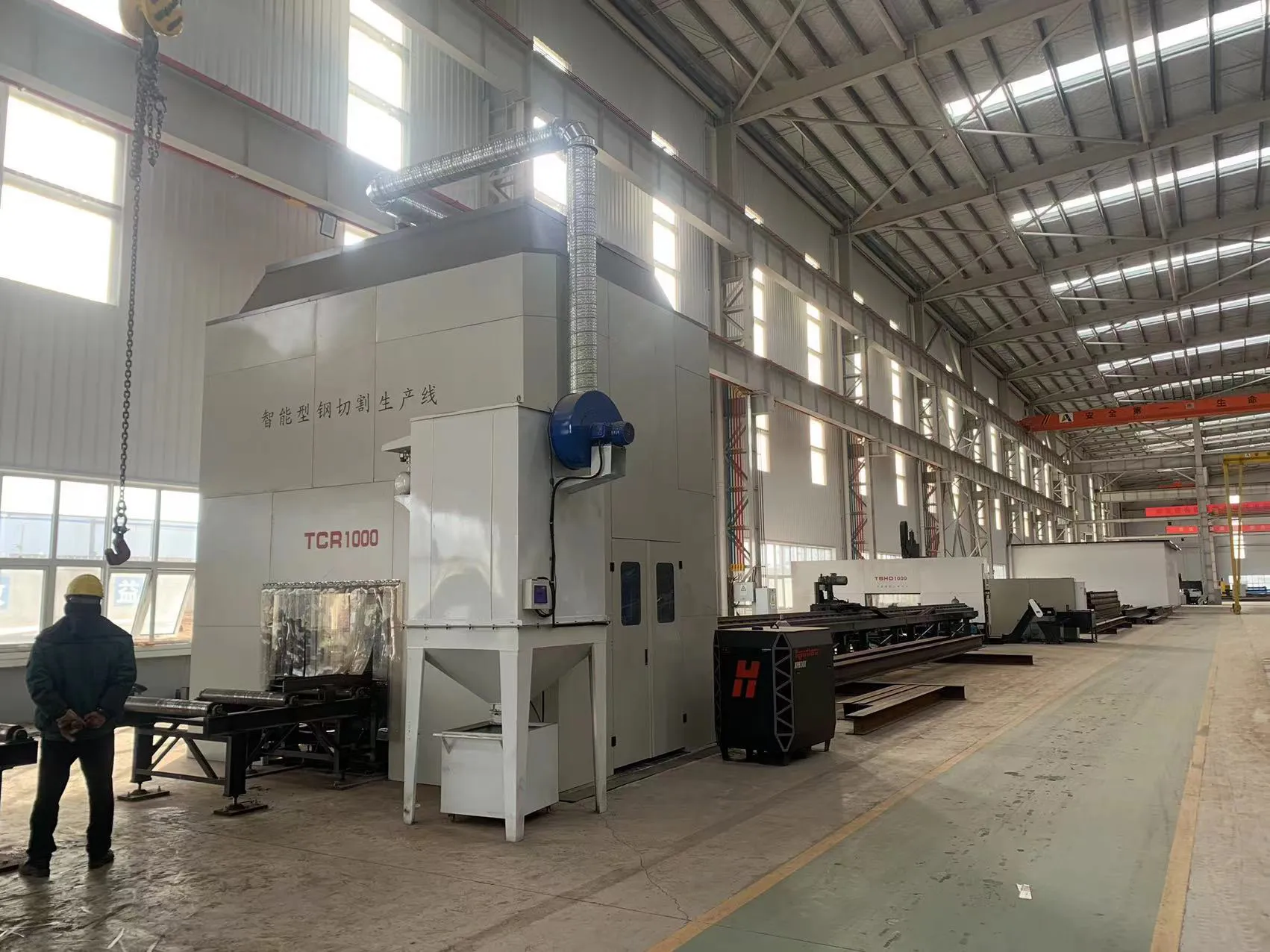
Optimizing Machine Configuration for the Guadalajara Market
In Guadalajara, where industrial space can be premium and the climate varies, selecting the right machine configuration is essential. A 4kW precision system must be equipped with specific features to handle the rigors of brass fabrication. This includes advanced back-reflection protection, which uses optical isolators to ensure that any reflected light is diverted away from the fiber source. Without this, the uptime of the machine would be significantly compromised when cutting mirrored brass finishes.
Motion Control and Structural Integrity
Precision is not merely a function of the laser source but of the machine’s motion system. For high-accuracy brass parts—such as electrical connectors or decorative architectural inserts—the gantry must exhibit high dynamic stability. Most 4kW systems utilized in professional Guadalajara shops feature a reinforced welded frame, stress-relieved through heat treatment, to ensure long-term geometric accuracy. Paired with high-torque servo motors and precision rack-and-pinion systems, these machines can achieve positioning accuracies within ±0.03mm.
Furthermore, the integration of a specialized cutting head with autofocus capabilities is vital. Brass thickness can vary, and the ability of the laser cutting head to adjust the focal point in real-time ensures a consistent kerf width and reduces dross formation on the underside of the workpiece.
Assist Gas Selection: Nitrogen vs. Oxygen
The choice of assist gas is a critical variable in the 4kW laser cutting process. For brass, Nitrogen (N2) is the industry standard in Guadalajara’s high-precision shops. Nitrogen acts as a mechanical force to eject molten metal from the cut without causing oxidation. This results in a “bright” edge that requires little to no post-processing—a major advantage for parts intended for the jewelry or decorative hardware sectors.
While Oxygen (O2) can be used for thicker brass plates to speed up the piercing process through exothermic reaction, it often leaves a darkened, oxidized edge. In a 4kW system, the power is usually sufficient to use Nitrogen even for medium-thickness brass (up to 8mm or 10mm), maintaining the metallurgical integrity of the alloy.
 laser cutting machine” style=”width: 100%; max-width: 800px; height: auto; margin: 20px 0;”>
Applications of Brass Laser Cutting in Jalisco
The versatility of brass makes it a staple in several key industries within Guadalajara. The 4kW laser cutting system serves these sectors by providing a level of detail that was previously only achievable through chemical etching or expensive CNC milling.
Electrical and Electronic Components
Guadalajara’s electronics manufacturing services (EMS) providers frequently require custom busbars, terminals, and shielding components made from brass. The high electrical conductivity of brass is essential here. A 4kW laser can rapidly produce these parts with intricate geometries, ensuring that tolerances for press-fit connectors are strictly maintained. The precision of the fiber laser ensures that the conductive properties are not altered by excessive heat during the fabrication process.
Architectural and Decorative Hardware
The region has a rich history of craftsmanship. Modern architectural firms in Jalisco now utilize 4kW laser cutting to create intricate brass screens, custom signage, and high-end furniture hardware. The ability to cut complex patterns into brass sheets up to 6mm thick with a high-quality surface finish allows designers to push the boundaries of traditional metalwork.
Technical Parameters for 4kW Brass Processing
Achieving the perfect cut requires a deep understanding of the relationship between power, speed, and frequency. For a 4kW system, the following general parameters are often used as a baseline for brass:
- 3mm Brass: Cutting speeds can reach 8-10 meters per minute using Nitrogen at 16-18 bar. The focus is typically set slightly below the material surface to ensure a clean bottom edge.
- 6mm Brass: Speed reduces to approximately 2.5-3.5 meters per minute. Power modulation is critical here to prevent overheating at sharp corners.
- Piercing: Multi-stage piercing is recommended for thicker brass to prevent “pop-back” of molten material onto the protective window of the cutting head.
Maintenance and Environmental Considerations in Guadalajara
Guadalajara’s environment, characterized by its semi-arid climate and occasional dust, necessitates a strict maintenance regimen for 4kW laser systems. The cooling system (chiller) is of paramount importance. High-power laser cutting generates significant heat within the resonator and the cutting head. Ensuring the chiller is sized correctly for the local ambient temperature—which can reach 35°C in the spring—is vital for preventing thermal drift and laser source degradation.
Additionally, the purity of the assist gas must be monitored. Contaminants in the Nitrogen line can lead to lens fogging or inconsistent cut quality. Local shops often invest in high-quality gas filtration systems or on-site Nitrogen generators to ensure a steady supply of 99.99% pure gas.
Software Integration and Industry 4.0
Precision laser cutting in the modern era is as much about software as it is about hardware. 4kW systems in Guadalajara are increasingly integrated into CAD/CAM workflows that allow for sophisticated nesting. Nesting optimizes the layout of parts on a brass sheet, which is particularly important given the high cost of the raw material. Reducing scrap by even 5% can result in thousands of dollars in annual savings for a busy fabrication shop.
Furthermore, many 4kW systems now feature “Smart Factory” capabilities. Operators can monitor machine status, cutting hours, and gas consumption remotely. This data-driven approach allows Guadalajara-based manufacturers to accurately quote jobs and predict maintenance cycles, reducing unplanned downtime.
Safety Protocols for High-Power Fiber Lasers
Working with a 4kW fiber laser requires stringent safety measures. The 1.06-micron wavelength is invisible to the human eye and can cause permanent retinal damage even from a diffuse reflection. In Guadalajara, industrial safety regulations (NOM standards) dictate that all fiber laser cutting machines must be fully enclosed with laser-safe viewing windows. Operators must be trained in the specific hazards associated with reflective metals, ensuring that the machine’s interlocks are never bypassed during operation.
Conclusion: The Future of Metal Fabrication in Guadalajara
The adoption of 4kW precision laser systems marks a significant milestone for the manufacturing sector in Guadalajara. As industries move toward smaller batch sizes and higher complexity, the flexibility of laser cutting provides a distinct advantage over traditional stamping or manual machining. For brass fabrication, the fiber laser has solved the age-old problems of reflectivity and heat management, allowing for artistic and industrial precision at an unprecedented scale.
Investing in a 4kW system is not just about purchasing a machine; it is about investing in the capability to meet the world-class standards demanded by the global market. As Guadalajara continues to grow as a center for innovation, the precision of the fiber laser will remain at the heart of its industrial evolution, turning raw brass into the components that power our modern world.













