Introduction to 3kW Fiber laser cutting Technology
In the rapidly evolving industrial landscape of Tijuana, Baja California, the demand for precision metal fabrication has reached unprecedented levels. As a primary hub for the aerospace, medical device, and automotive sectors, Tijuana’s manufacturing base requires tools that offer both high throughput and surgical precision. The 3kW fiber laser cutting machine has emerged as the definitive solution for these requirements, particularly when processing stainless steel.
Fiber laser technology represents a significant leap forward from traditional CO2 systems. By using a solid-state laser source where the active gain medium is an optical fiber doped with rare-earth elements, these machines deliver a beam with a wavelength of approximately 1.06 microns. This shorter wavelength is more readily absorbed by metals, especially reflective materials like stainless steel, leading to faster cutting speeds and cleaner edges. For a 3kW system, the power density is optimized to balance capital investment with high-performance output, making it the “sweet spot” for medium-to-heavy gauge sheet metal fabrication.
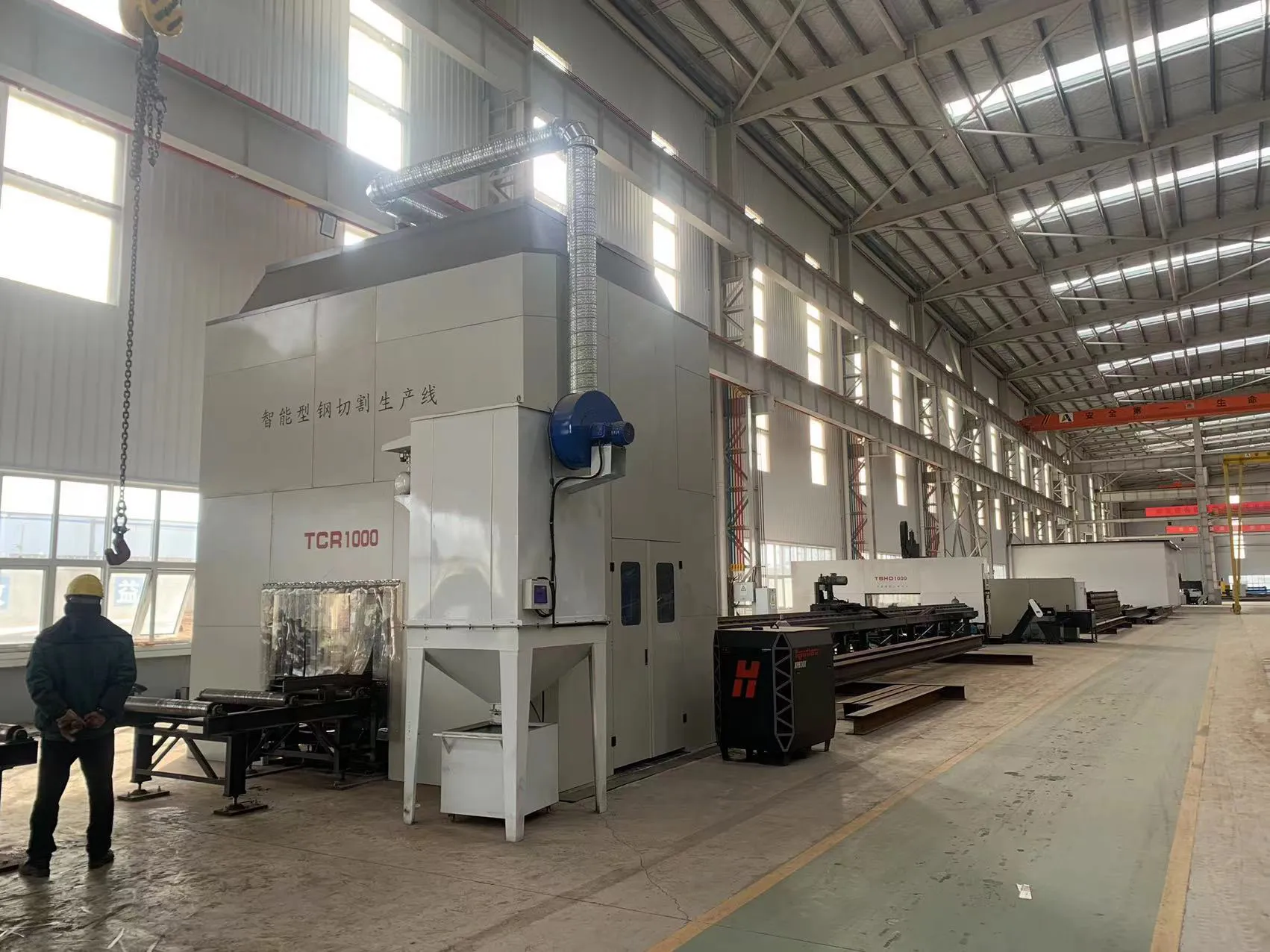
Why 3kW is the Ideal Power for Stainless Steel
Stainless steel is prized for its corrosion resistance and aesthetic appeal, but it presents unique challenges during the laser cutting process. It has a high melting point and a relatively high viscosity when molten. A 3kW fiber laser provides the necessary energy density to achieve a clean melt-and-blow process, particularly when using nitrogen as an assist gas.
Thickness Capacities and Speed
A 3kW fiber laser cutting machine is capable of processing stainless steel up to 10mm or 12mm in thickness, though its peak efficiency is found in the 1mm to 8mm range. In the competitive Tijuana market, speed is a critical KPI (Key Performance Indicator). At a 3kW power level, 2mm stainless steel can be cut at speeds exceeding 15 meters per minute, depending on the machine’s motion system and the complexity of the geometry. This high-speed capability allows local manufacturers to meet the tight lead times required by international supply chains.
Beam Quality and Kerf Width
The beam quality of a fiber laser, often measured by the M2 factor, is superior to that of older technologies. A 3kW source produces a highly concentrated spot size, resulting in a narrow kerf (the width of the cut). For stainless steel components used in medical instruments or electronics—common industries in the Otay Mesa and El Florido industrial parks—this narrow kerf allows for intricate designs and tight tolerances that were previously only achievable through specialized EDM (Electrical Discharge Machining) or waterjet cutting, but at a fraction of the cost and time.
The Tijuana Industrial Context: Why Local Support Matters
Tijuana operates as a critical node in the “Cali-Baja” mega-region. Manufacturers here are often producing parts that will be shipped across the border into California for final assembly or distribution. Consequently, the reliability of a 3kW laser cutting machine is paramount. Downtime in a Tijuana maquiladora can disrupt supply chains across North America.
Proximity to Aerospace and Medical Hubs
The medical device industry in Tijuana is one of the largest in the world. Stainless steel grades like 304 and 316L are standard in this sector. A 3kW fiber laser ensures that these materials are cut without carbon contamination, preserving their biocompatibility and corrosion resistance. Similarly, the aerospace sector requires strict adherence to material properties. The localized heat-affected zone (HAZ) of a 3kW fiber laser ensures that the structural integrity of the stainless steel alloy remains intact, meeting stringent AS9100 standards.

Technical Components of a High-Performance Laser System
To maximize the potential of a 3kW fiber laser source, the machine’s architecture must be robust. A high-quality laser cutting system is more than just its power source; it is an integration of optics, motion control, and software.
The Cutting Head and Autofocus Technology
Modern 3kW machines utilize intelligent cutting heads equipped with autofocus sensors. When cutting stainless steel, the focal point must be precisely positioned—often slightly below the surface of the material for thicker plates to ensure the nitrogen gas can effectively clear the molten metal. Automated focus adjustment allows the machine to transition between different gauges of stainless steel without manual intervention, significantly increasing the duty cycle of the machine.
The CNC Control System
The “brain” of the laser cutting machine is the CNC controller. In the Tijuana manufacturing environment, compatibility with industry-standard CAD/CAM software is essential. Advanced controllers allow for real-time monitoring of gas pressure, laser power modulation, and “fly-cutting” (a technique where the laser pulses while the head is in motion to speed up the cutting of perforated patterns). This level of control is vital for maintaining the high-quality finish expected in stainless steel fabrication.
The Role of Assist Gases in Stainless Steel Cutting
Laser cutting stainless steel is as much about chemistry as it is about physics. The choice of assist gas defines the quality of the finished edge. For most high-end applications in Tijuana, nitrogen is the gas of choice.
Nitrogen vs. Oxygen
When cutting with oxygen, an exothermic reaction occurs, which adds heat to the process but leaves an oxidized (blackened) edge. For stainless steel, this is usually unacceptable as it compromises the corrosion resistance and requires secondary cleaning. Nitrogen cutting, also known as fusion cutting, uses the high-pressure gas to mechanically blow away the molten metal. This results in a bright, clean edge that is ready for welding or painting immediately after cutting. A 3kW machine provides the power necessary to maintain high speeds even when using high-pressure nitrogen, which typically requires more energy to sustain the cut than oxygen-assisted processes.
Maintenance and Operational Longevity
One of the primary advantages of the 3kW fiber laser for Tijuana shop owners is the low maintenance requirement compared to CO2 lasers. Fiber lasers do not use mirrors for beam delivery; instead, the light is guided through a flexible fiber optic cable directly to the cutting head. This eliminates the need for beam path alignment and reduces the consumption of laser gases (the gases used to generate the beam).
Chiller Systems and Thermal Management
In the temperate but sometimes dusty environment of Tijuana, thermal management is key. A 3kW laser generates significant heat within the source and the optics. High-performance dual-circuit chillers are integrated into these systems to maintain a constant temperature for both the laser source and the cutting head. This stability is crucial for maintaining consistent cut quality during long production shifts.
Dust Extraction and Filtration
Cutting stainless steel produces fine metallic dust and fumes. For facilities in Tijuana to remain compliant with environmental and workplace safety regulations (such as those set by STPS), integrated dust extraction systems are mandatory. These systems use high-pressure fans and HEPA filters to capture particulates, ensuring a clean working environment and protecting the machine’s sensitive optical components from contamination.
Economic Impact and ROI for Tijuana Manufacturers
The investment in a 3kW fiber laser cutting machine is often justified by the rapid Return on Investment (ROI). When compared to outsourcing laser cutting services to the United States, local Tijuana shops can offer lower labor costs while maintaining identical technology and quality standards.
Reducing Secondary Operations
Because the 3kW fiber laser produces such a high-quality edge on stainless steel, secondary operations like grinding, deburring, or chemical cleaning are often eliminated. This reduction in labor hours per part significantly lowers the total cost of ownership and increases the throughput of the fabrication shop.
Energy Efficiency
Fiber lasers are remarkably energy-efficient, with a wall-plug efficiency of approximately 30-35%, compared to the 8-10% seen in CO2 systems. For manufacturers in Mexico, where energy costs can be a significant overhead factor, the reduced electricity consumption of a fiber laser provides a direct competitive advantage.
Conclusion: The Future of Metal Fabrication in Baja
The 3kW fiber laser cutting machine is more than just a tool; it is a catalyst for industrial growth in Tijuana. By providing the power and precision necessary to handle stainless steel at scale, it allows local manufacturers to move up the value chain—from simple assembly to complex, high-precision fabrication. As the region continues to attract high-tech investment, the adoption of fiber laser technology will remain the cornerstone of a modern, efficient, and world-class manufacturing sector.
For businesses looking to upgrade their capabilities, the transition to a 3kW system offers the perfect balance of performance, versatility, and cost-effectiveness. Whether producing surgical trays, aerospace brackets, or architectural panels, the 3kW fiber laser stands as the workhorse of the modern Tijuana factory floor.













