Technical Overview: The 1.5kW Tube laser cutter in Modern Manufacturing
The integration of fiber laser technology into the metalworking industry has revolutionized the way structural components are designed and produced. Specifically, the 1.5kW tube laser cutter has emerged as a critical asset for small to medium-sized enterprises (SMEs) and large-scale industrial plants alike. This power level represents a strategic “sweet spot” in the market, offering sufficient energy density to process stainless steel with high precision while maintaining a lower operational cost compared to high-wattage 10kW+ systems. In the context of Guadalajara’s rapidly expanding industrial sector, which serves as a hub for automotive, aerospace, and medical device manufacturing, the adoption of precision laser cutting is no longer a luxury—it is a competitive necessity.
A 1.5kW fiber laser source utilizes a solid-state gain medium, typically ytterbium-doped fibers, to generate a high-intensity beam. This beam is delivered through a flexible fiber optic cable to the cutting head, where it is focused into a microscopic spot. The resulting energy density is capable of vaporizing stainless steel almost instantaneously. Unlike CO2 lasers, fiber lasers operate at a wavelength of approximately 1.06 micrometers, which is more readily absorbed by metals, particularly reflective ones like stainless steel. This absorption efficiency is the primary driver behind the 1.5kW system’s ability to achieve high feed rates on tube walls ranging from 0.5mm to 5mm in thickness.
The Mechanics of Tube Processing
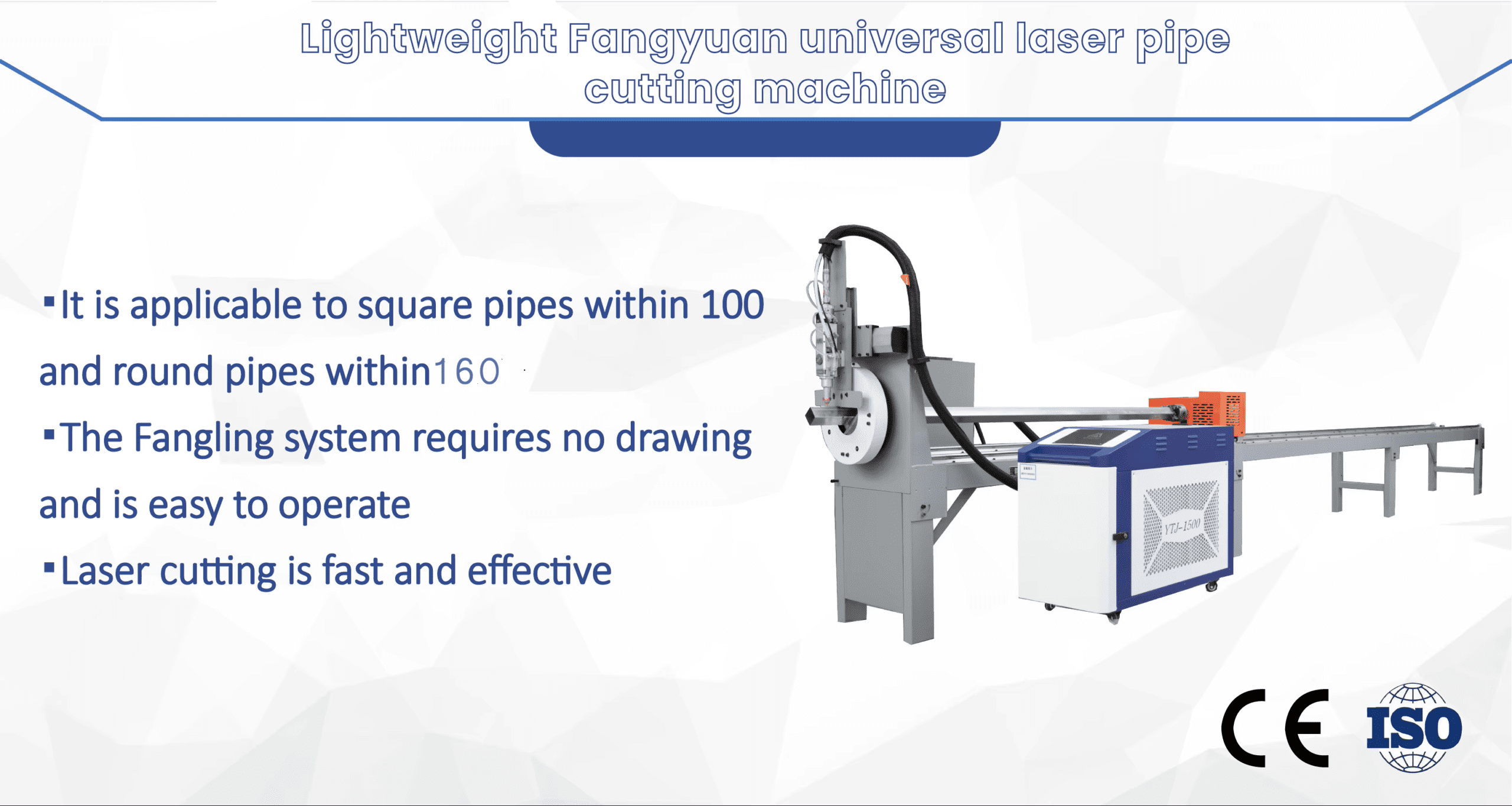
Tube laser cutting differs significantly from flat-sheet processing due to the geometry of the workpiece. A tube laser cutter must manage four axes of movement (X, Y, Z, and the rotational A-axis). The 1.5kW machine uses high-precision chucks—typically pneumatic or hydraulic—to rotate the tube while the cutting head moves longitudinally and vertically. This synchronization allows for complex geometries, such as saddle cuts, miters, and intricate hole patterns, to be executed in a single setup. For manufacturers in Guadalajara, this eliminates the need for secondary operations like drilling, milling, or manual sawing, thereby reducing the total cost per part and minimizing human error.
 laser cutting machine MAK160″ style=”max-width: 100%; height: auto; margin: 20px 0;”>
Processing Stainless Steel: Material Challenges and Solutions
Stainless steel is prized for its corrosion resistance and aesthetic appeal, making it a staple in the food processing, pharmaceutical, and architectural industries. However, from an engineering perspective, it presents unique challenges during laser cutting. The material’s high chromium and nickel content affects its thermal conductivity and viscosity when molten. A 1.5kW system must be finely tuned to manage the heat-affected zone (HAZ) to ensure that the structural integrity and corrosion resistance of the stainless steel are not compromised.
The Role of Assist Gases: Nitrogen vs. Oxygen
When cutting stainless steel with a 1.5kW fiber laser, the choice of assist gas is paramount. For high-quality results, Nitrogen is almost exclusively used. Nitrogen acts as a shielding gas; it physically blows the molten metal out of the kerf without allowing it to react with oxygen in the atmosphere. This results in a “bright” or oxide-free edge. In the high-humidity or variable temperature environments often found in Mexican industrial parks, maintaining a high-purity Nitrogen supply (99.99%) is essential for preventing discoloration on the cut edge, which would otherwise require costly post-processing like pickling or mechanical polishing.
Oxygen can be used for thicker sections of stainless steel to increase cutting speed through an exothermic reaction, but this leaves a dark, oxidized layer on the edge. In Guadalajara’s food-grade equipment manufacturing sector, such oxidation is unacceptable as it serves as a site for potential bacterial growth and corrosion. Therefore, the 1.5kW tube laser’s ability to efficiently utilize Nitrogen at high pressures is a key technical requirement for regional compliance with international standards.
Wall Thickness and Beam Modulation
For a 1.5kW system, the optimal thickness range for stainless steel tubes (round, square, or rectangular) is between 1mm and 4mm. While the machine can push toward 6mm, the feed rate drops significantly, and the risk of dross (slag) adhesion increases. Engineering teams must calibrate the pulse frequency and duty cycle of the laser to match the specific grade of stainless steel—most commonly Grade 304 or Grade 316. Grade 316, containing molybdenum, is slightly more difficult to cut but is essential for the marine and chemical industries prevalent in the western regions of Mexico.

Guadalajara: A Strategic Hub for Laser Cutting Innovation
Guadalajara has solidified its reputation as Mexico’s technology capital. The city’s industrial ecosystem is characterized by a mix of Tier 1 automotive suppliers and a vibrant custom fabrication community. The introduction of 1.5kW tube laser cutting technology has allowed local shops to transition from traditional manual fabrication to high-precision automated production. This shift is vital for meeting the “Just-in-Time” (JIT) delivery requirements of multinational corporations operating in the region.
Application in the Automotive and Medical Sectors
In the automotive sector, 1.5kW tube lasers are used to produce exhaust components, seat frames, and structural supports. The precision of the fiber laser ensures that every part is identical, which is critical for robotic welding assemblies. In the medical sector, stainless steel 304L and 316L tubes are cut into components for hospital furniture, surgical trays, and diagnostic equipment. The ability to produce burr-free, intricate cuts without the need for manual finishing directly impacts the bottom line by reducing labor costs and shortening lead times.
Local Economic Advantages
Investing in a 1.5kW tube laser cutter within Guadalajara offers specific logistical advantages. Access to a skilled labor pool trained in CNC programming and the availability of technical support from specialized distributors mean that downtime is minimized. Furthermore, the energy efficiency of a 1.5kW fiber laser is significantly higher than that of older CO2 technology, resulting in lower electricity bills—a major factor in maintaining competitive pricing in the Mexican market.
Operational Best Practices for Engineering Excellence
To maximize the lifespan and efficiency of a 1.5kW tube laser, rigorous maintenance and operational protocols must be followed. The fiber laser source itself is virtually maintenance-free for up to 100,000 hours, but the peripheral components require constant attention.
Optical Maintenance and Calibration
The cutting head contains sensitive optics, including the collimating lens and the focusing lens. Even microscopic dust particles can absorb laser energy, leading to thermal deformation or catastrophic lens failure. In an industrial setting like Guadalajara, where ambient dust can be an issue, pressurized, filtered air systems are necessary to keep the cutting head clean. Regular calibration of the “nozzle center” is also required to ensure that the laser beam passes perfectly through the center of the assist gas stream, which is critical for maintaining cut verticality and quality on stainless steel tubes.
Nesting and Material Yield
Advanced CAD/CAM software is the backbone of efficient laser cutting. For tube processing, “nesting” involves arranging multiple parts on a single length of tube to minimize scrap. Modern software can account for the “weld seam” of the stainless steel tube, rotating the part automatically so that the seam does not interfere with critical holes or bends. This level of optimization is essential for high-value materials like stainless steel, where reducing waste by even 5% can result in significant annual savings.
Cooling and Thermal Management
A 1.5kW laser generates heat, and a dual-circuit water chiller is required to maintain the temperature of both the laser source and the cutting head. In the temperate climate of Guadalajara, the chiller must be capable of handling seasonal temperature fluctuations to prevent condensation within the electronics. Maintaining a constant temperature ensures beam stability, which directly correlates to the consistency of the cut edge on stainless steel workpieces.
Conclusion: The Future of Fabrication in Jalisco
The 1.5kW tube laser cutter represents the modern standard for stainless steel fabrication. Its precision, speed, and versatility make it an indispensable tool for the evolving manufacturing landscape in Guadalajara and the wider state of Jalisco. By understanding the technical nuances of fiber laser cutting—from gas dynamics to material science—engineers and business owners can unlock new levels of productivity. As the demand for high-quality, locally-produced stainless steel components continues to grow, those who leverage 1.5kW fiber technology will be well-positioned to lead the market, providing the precision parts that drive the global economy.
In summary, the transition to 1.5kW tube laser technology is more than an equipment upgrade; it is a strategic move toward industrial maturity. For the stainless steel fabricator in Guadalajara, it provides the means to achieve international quality standards, reduce operational overhead, and expand into high-tech markets that were previously out of reach.













