Maximizing Productivity with 4kW Sheet Metal laser cutting in Mexico City
The industrial landscape of Mexico City (CDMX) and the surrounding metropolitan area, including hubs like Naucalpan, Tlalnepantla, and Vallejo, has undergone a significant technological transformation. As the demand for high-precision components in the food processing, pharmaceutical, and automotive sectors grows, the adoption of 4kW fiber laser technology has become the standard for professional metal fabrication. For engineers and shop floor managers, understanding the nuances of 4kW laser cutting specifically for stainless steel is essential to maintaining a competitive edge in the high-altitude environment of the Valley of Mexico.
A 4kW fiber laser represents the “sweet spot” of power-to-investment ratio. It provides sufficient energy density to process medium-to-thick stainless steel plates while maintaining exceptional speeds on thinner gauges. When dealing with stainless steel—a material prized for its corrosion resistance and aesthetic appeal—the precision of the thermal process is paramount to prevent carbide precipitation and maintain the material’s inherent properties.

Technical Specifications and Power Dynamics
The 4kW fiber laser source delivers a concentrated beam of light at a wavelength of approximately 1.06 microns. This wavelength is highly absorbable by metallic surfaces, particularly stainless steel, compared to the older CO2 laser technology. In a 4kW system, the beam is delivered through a flexible fiber optic cable directly to the cutting head, eliminating the need for complex mirror alignments and reducing maintenance overhead.
For stainless steel applications, the 4kW threshold allows for efficient “clean cutting” using nitrogen as an assist gas. While a 2kW system might struggle with 6mm stainless steel, a 4kW machine can comfortably process up to 12mm or even 15mm plates with a high-quality edge finish. The power density allows the laser to reach the melting point of the alloy almost instantaneously, minimizing the Heat-Affected Zone (HAZ) and preventing warping in intricate geometries.
The Impact of Mexico City’s Altitude on Laser Cutting
Operating high-precision laser cutting machinery in Mexico City presents unique engineering challenges due to the elevation of 2,240 meters above sea level. The atmospheric pressure in CDMX is significantly lower than at sea level, which affects several critical components of the laser cutting ecosystem.
First, gas dynamics are altered. The density of the ambient air is lower, which can influence the cooling efficiency of the chiller units. Engineers must ensure that the cooling systems are rated for high-altitude operation to prevent the laser source from overheating during long production cycles. Second, the assist gas delivery—specifically nitrogen—must be carefully regulated. Lower atmospheric pressure can affect the flow dynamics at the nozzle, requiring fine-tuning of the barometric settings within the CNC software to ensure a consistent laminar flow. Without these adjustments, the dross removal process may become inconsistent, leading to burrs on the bottom edge of the stainless steel workpiece.
Stainless Steel Grade Considerations: 304 vs. 316
In the Mexican industrial market, Grade 304 and Grade 316 are the most common stainless steel alloys processed via laser cutting. Grade 304, containing 18% chromium and 8% nickel, is the workhorse of the industry. A 4kW laser can process 304 stainless at extremely high feed rates, often exceeding 20 meters per minute on 1mm sheet stock.
Grade 316, which includes molybdenum for enhanced chloride resistance, is frequently required for projects in the coastal regions of Mexico or for chemical processing equipment within the city. While the cutting parameters for 316 are similar to 304, the 4kW laser provides the necessary thermal stability to handle the slightly different melting characteristics of the 316 alloy. When laser cutting these materials, the use of high-purity nitrogen (99.999%) is non-negotiable to avoid oxidation. An oxidized edge on stainless steel not only compromises the visual quality but also creates a point of failure for future welding or coating processes.
Optimizing Assist Gas and Nozzle Selection
The selection of the nozzle and the management of assist gas are the two most critical variables in 4kW laser cutting of stainless steel. For sheets up to 3mm, a single-layer nozzle is typically sufficient. However, as the thickness increases toward 10mm or 12mm, double-layer nozzles or high-speed nozzles become necessary to maintain the pressure required to eject molten metal from the kerf.
In Mexico City, where the cost of industrial gases can be a significant portion of operational expenses, many shops are moving toward high-pressure air cutting for thinner stainless steel (up to 2mm). However, for premium architectural or medical-grade components, nitrogen remains the gold standard. The 4kW power allows for a wider “nozzle-to-plate” distance tolerance compared to lower-power machines, which provides a more stable process window when dealing with slightly uneven sheet metal stock.
Precision Engineering and Tolerances
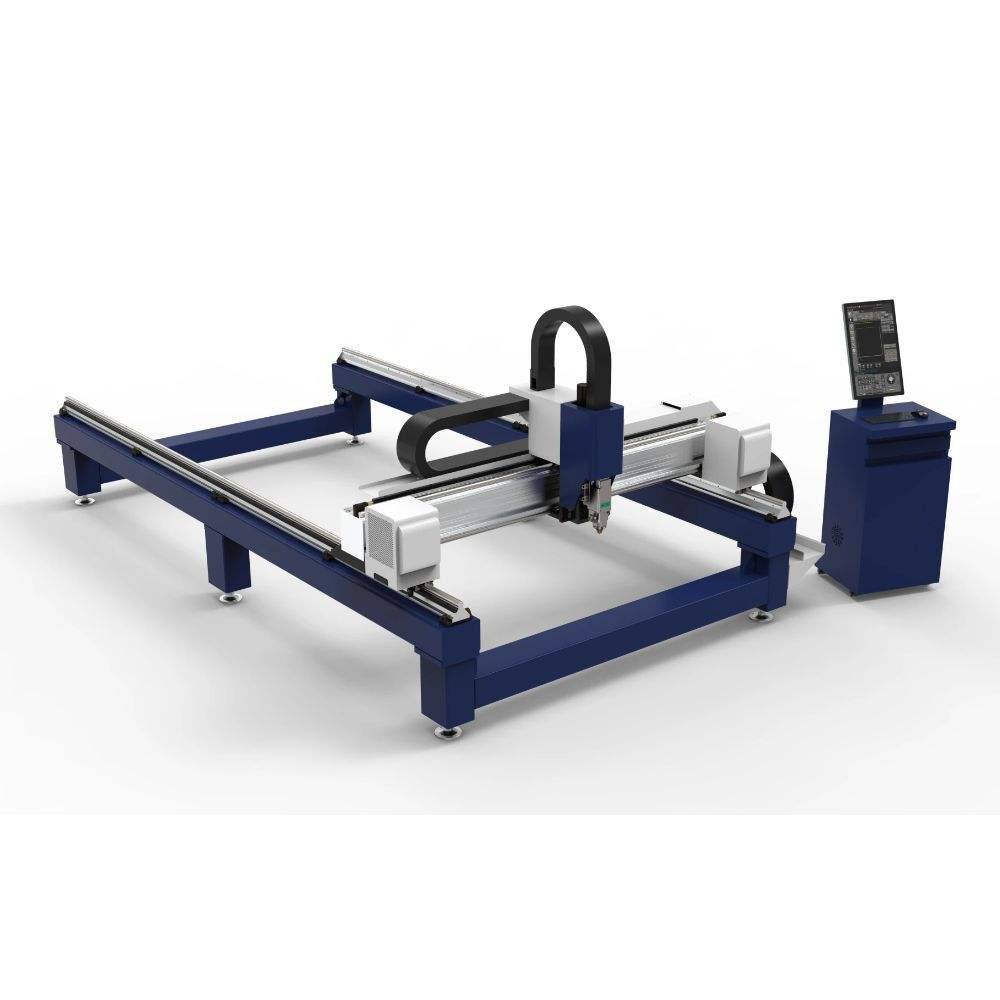
The mechanical integrity of the gantry and the precision of the linear motors are what allow the 4kW laser to translate its power into accurate parts. In a professional 4kW setup, positioning accuracy should be within ±0.03mm. This level of precision is vital for the “just-in-time” manufacturing models adopted by many Tier 1 and Tier 2 suppliers in the Mexican automotive corridor.
When cutting stainless steel, the kerf width (the amount of material removed by the laser) is typically between 0.1mm and 0.3mm. Because the 4kW laser creates a very narrow and concentrated heat source, the thermal expansion of the sheet during the cutting process is minimized. This is particularly important for large-format sheets where cumulative thermal error can lead to dimensional inaccuracies across the length of the bed. Advanced CNC controllers used in these machines feature “fly-cutting” capabilities, where the laser pulses while the head is in motion, significantly reducing the cycle time for perforated patterns common in stainless steel filters and screens.
Maintenance Protocols in an Urban Industrial Environment
Mexico City’s environment, characterized by its unique dust profile and seasonal humidity fluctuations, necessitates a rigorous maintenance schedule for 4kW fiber lasers. The optical path must be kept under positive pressure with clean, dry air to prevent contamination of the protective windows. Even a microscopic dust particle on the lens can absorb the 4kW energy, leading to thermal cracking and expensive downtime.
The chiller system requires specific attention. In the temperate but variable climate of CDMX, the temperature differential between the laser source and the ambient air can lead to condensation if not managed correctly. Engineers should utilize high-quality deionized water and specialized additives to prevent algae growth and corrosion within the cooling circuits. Furthermore, the electrical grid in certain industrial zones of Mexico can experience voltage fluctuations; therefore, the installation of a high-capacity industrial voltage stabilizer is a prerequisite for protecting the sensitive electronics of a 4kW fiber laser.
Economic Impact and ROI for Mexican Fabricators
Investing in a 4kW sheet metal laser is a strategic decision that impacts the entire production chain. For a fabrication shop in Mexico City, the primary advantage is the reduction in secondary operations. Because the 4kW laser produces a burr-free, oxide-free edge on stainless steel, parts can move directly from the laser bed to the welding station or assembly line without the need for manual grinding or chemical cleaning.
Furthermore, the high speed of the 4kW system allows shops to take on higher volumes of work without increasing their physical footprint. In a city where industrial real estate prices are rising, maximizing the output per square meter is essential. The ability to cut thicker stainless steel also allows shops to diversify their service offerings, moving from simple sheet metal work into heavy-duty industrial component manufacturing, serving the growing infrastructure needs of the Mexican economy.
Conclusion: The Future of Fiber Laser Technology in CDMX
The integration of 4kW laser cutting technology into the Mexico City industrial sector represents a leap forward in manufacturing capability. By combining high power with the specific requirements of stainless steel fabrication, local companies can achieve international standards of quality and precision. Success in this field requires more than just high-end hardware; it demands a deep understanding of the interplay between laser physics, material science, and the specific environmental conditions of the high-altitude Mexican plateau.
As fiber laser technology continues to evolve, the focus will shift toward further automation and the integration of Industry 4.0 standards. For now, the 4kW fiber laser remains the most versatile and powerful tool for any professional operation dedicated to the art and science of stainless steel fabrication in the heart of Mexico.













