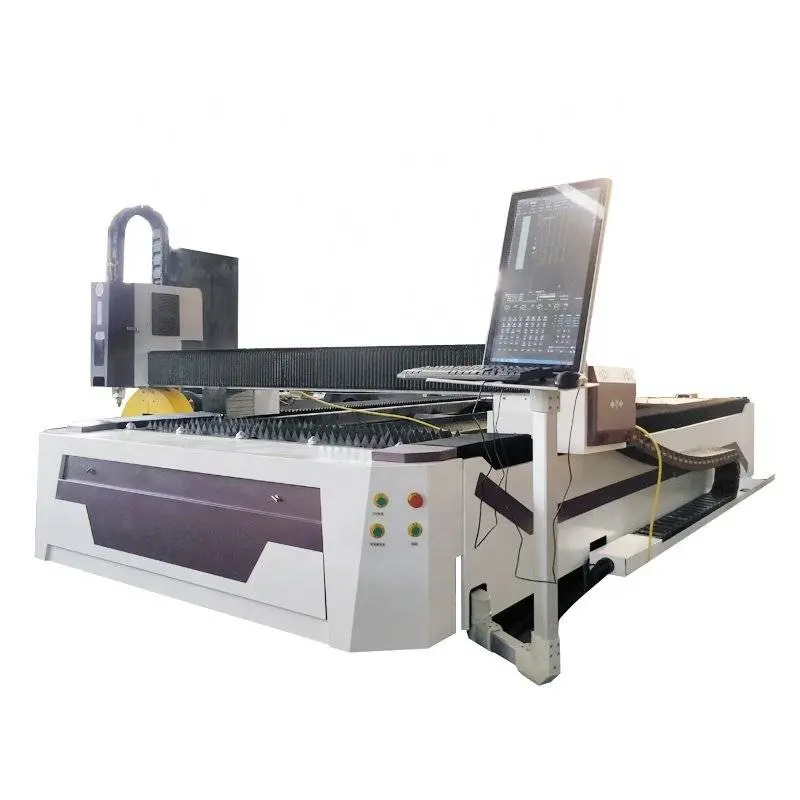
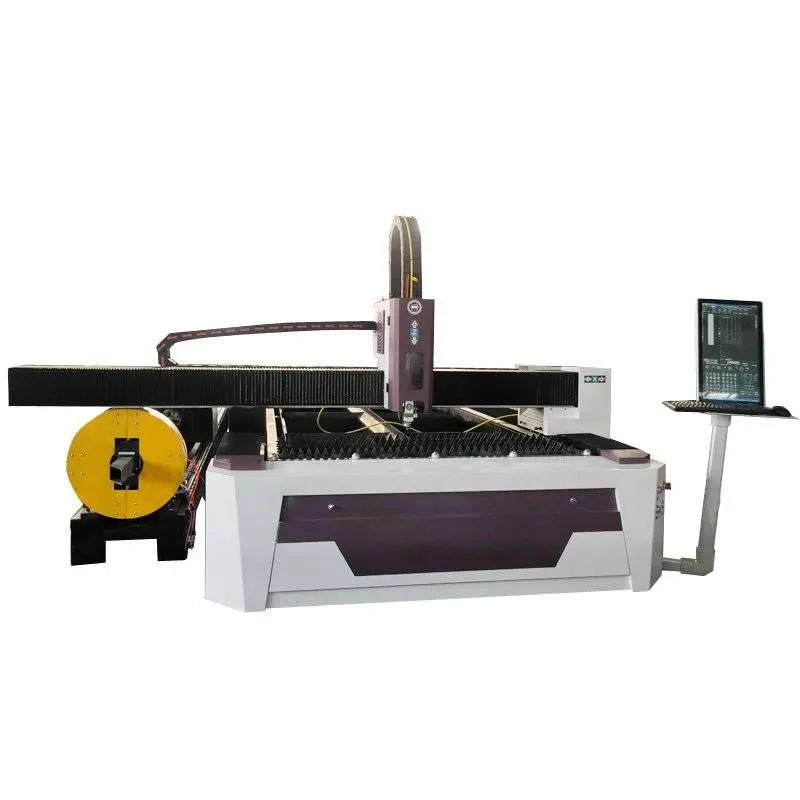
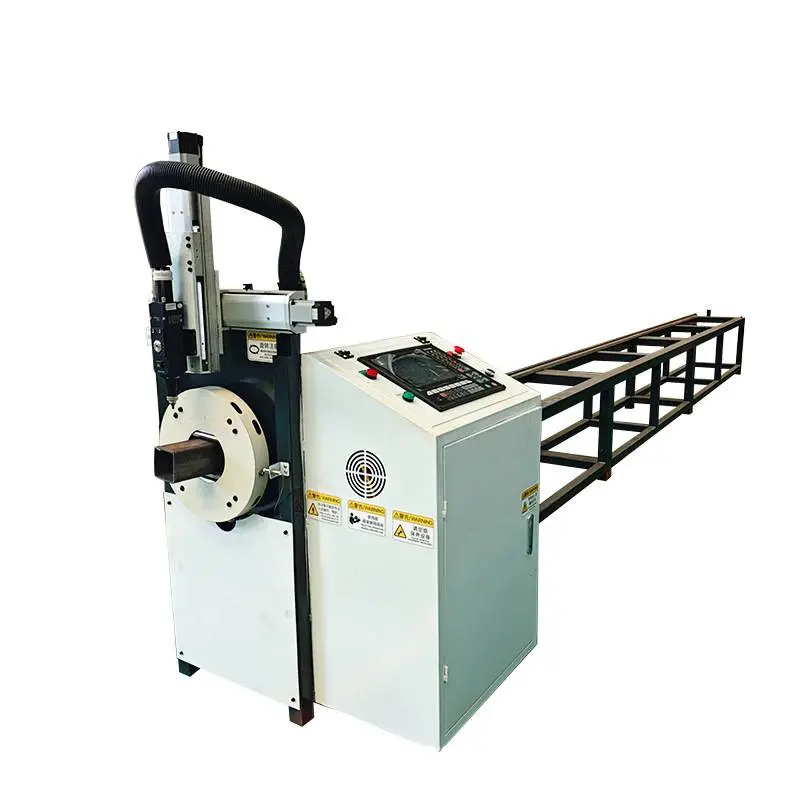
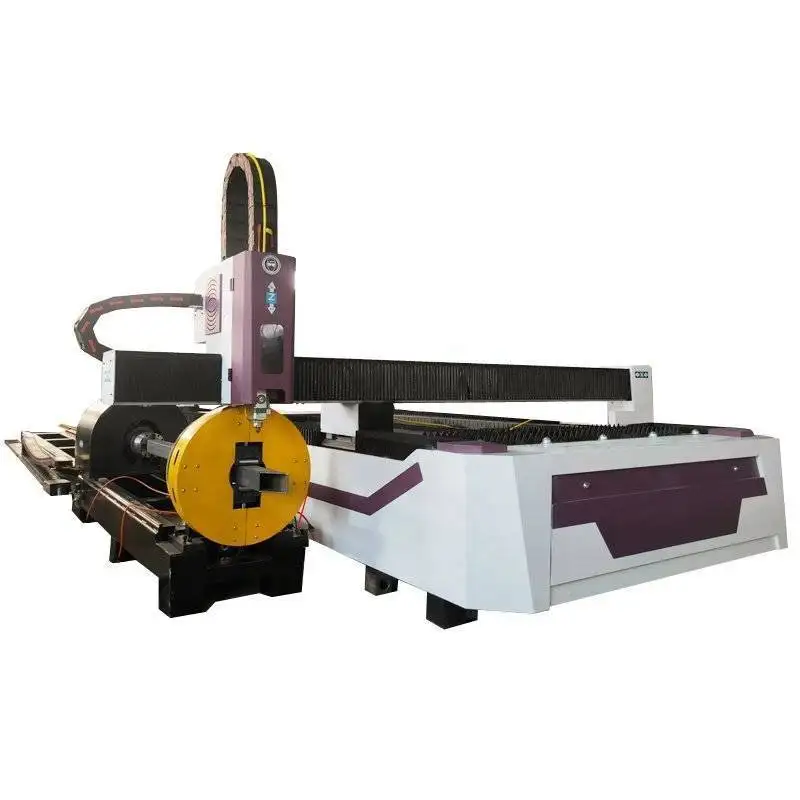
6kW Precision Laser System: Optimizing Carbon Steel Fabrication in Leon
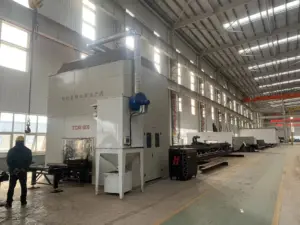
The industrial landscape of Leon, Guanajuato, has undergone a massive transformation over the last decade. Historically recognized as the leather and footwear capital of the world, Leon has rapidly diversified into a sophisticated hub for automotive, aerospace, and heavy machinery manufacturing. Central to this evolution is the adoption of advanced fiber laser technology. Among the various power configurations available to modern machine shops, the 6kW precision laser system has emerged as the industry standard for high-performance carbon steel processing. This guide explores the technical intricacies, operational advantages, and economic impact of implementing 6kW laser cutting technology within the Leon industrial corridor.
The Engineering Foundation of 6kW Fiber Laser Technology
A 6kW fiber laser system represents a significant leap in energy density and beam quality compared to lower-wattage counterparts. At its core, the system utilizes a bank of laser diodes that pump energy into a fiber optic cable doped with rare-earth elements like ytterbium. This process generates a high-intensity beam with a wavelength of approximately 1.06 microns. For engineers in Leon, this specific wavelength is crucial because it is highly absorbed by carbon steel, ensuring that the maximum amount of energy is converted into thermal work rather than being reflected.
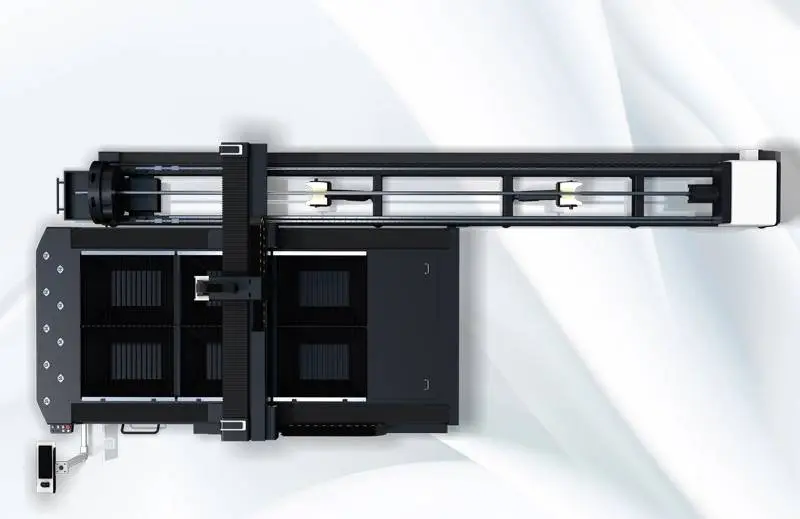
The “precision” aspect of these systems is governed by the CNC (Computer Numerical Control) architecture and the motion control system. High-end 6kW machines often utilize linear motors or high-precision rack-and-pinion systems to achieve accelerations of up to 2.0G and positioning accuracies within microns. When performing laser cutting on carbon steel, this stability is vital to prevent serrations along the cut edge, which can lead to structural weaknesses or the need for secondary finishing processes.
Carbon Steel Processing: The 6kW Sweet Spot
Carbon steel remains the most widely used material in the Leon manufacturing sector, found in everything from structural beams for construction to intricate components for automotive chassis. The 6kW power level is often considered the “sweet spot” for carbon steel for several reasons. It offers the perfect balance between high-speed processing of thin sheets (1mm to 4mm) and the ability to penetrate thick plates up to 25mm with high edge quality.
When executing laser cutting on carbon steel, the interaction between the beam and the material is highly dependent on the assist gas. For thicknesses above 6mm, oxygen is typically used as the assist gas. The oxygen reacts exothermically with the heated steel, adding thermal energy to the cut and allowing for faster speeds on thick sections. However, for thinner gauges where speed and a clean, oxide-free edge are prioritized, nitrogen or high-pressure air is used. A 6kW system provides enough raw power to maintain high feed rates even when using nitrogen, which is essential for components that will later require painting or welding, as the lack of an oxide layer ensures better coating adhesion.
The Leon Industrial Context: Meeting Automotive and Agricultural Demand
Leon sits at the heart of the Bajío region, a critical artery for Mexico’s automotive industry. Tier 1 and Tier 2 suppliers in the region require components that meet stringent tolerances and repeatable quality. The 6kW laser cutting process facilitates this by minimizing the Heat Affected Zone (HAZ). Because the 6kW beam is so concentrated and moves so quickly, the surrounding metal absorbs less heat, preventing thermal distortion. This is particularly important for carbon steel parts that must fit into complex assemblies with zero margin for error.
Furthermore, the agricultural machinery sector in Leon benefits from the 6kW system’s ability to handle heavy-duty plates. Components for tractors, harvesters, and storage silos often require 12mm to 20mm carbon steel. Older CO2 lasers or plasma cutters often struggle with the precision required for bolt holes and interlocking tabs in these thicknesses. A 6kW fiber laser, however, produces holes with a diameter-to-thickness ratio of 1:1 or better, significantly reducing the need for post-process drilling.
Technical Specifications and Operational Parameters
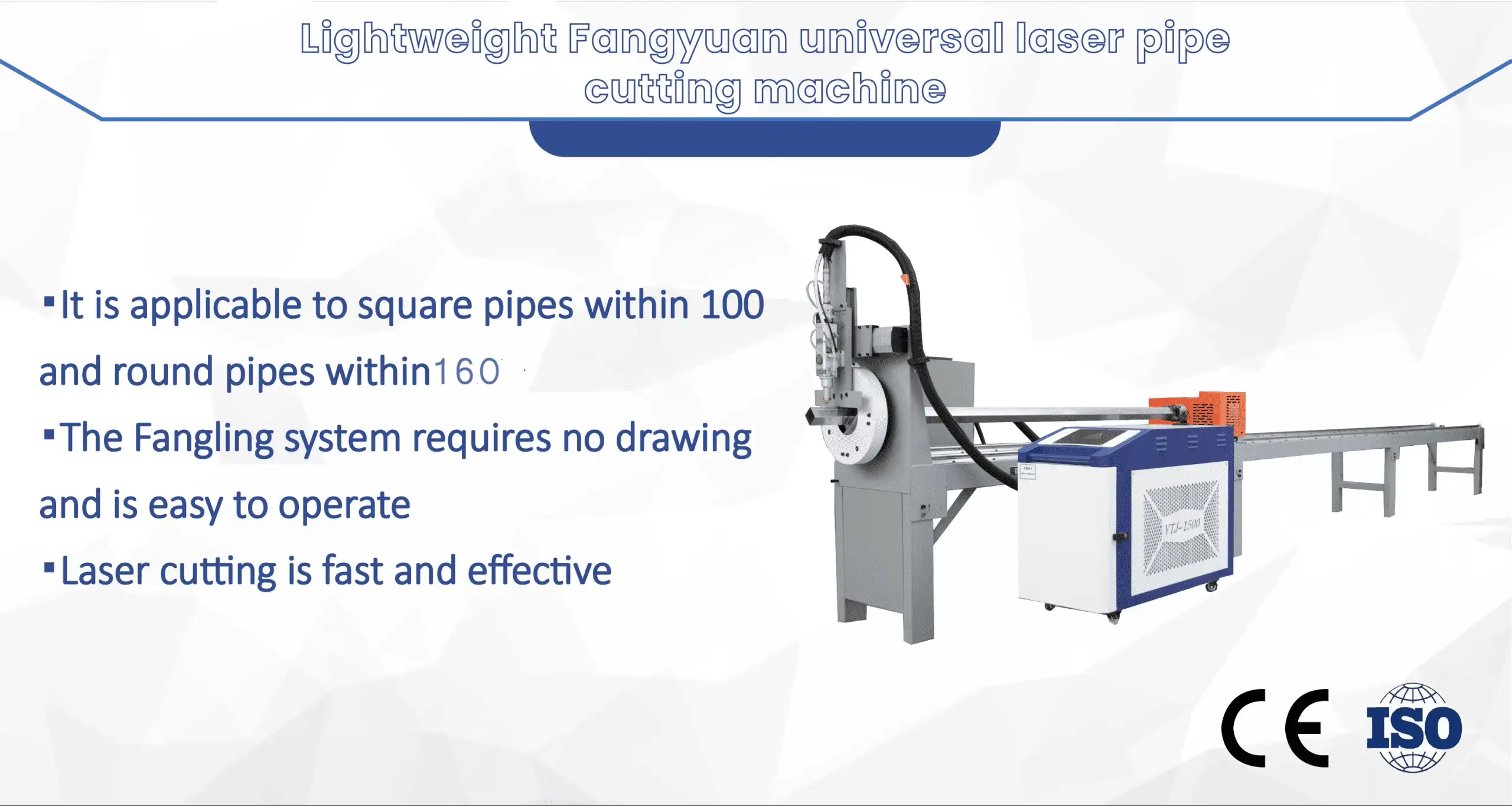
To maximize the efficiency of a 6kW precision laser system, operators in Leon must master several key parameters. These include focal position, nozzle diameter, and gas pressure. In carbon steel laser cutting, the focal point is usually positioned slightly above or at the surface of the plate for thin materials, while for thicker plates, it may be buried deep within the material to ensure the kerf remains wide enough for the molten slag to be ejected effectively.
Modern 6kW systems feature “Auto-Focus” cutting heads, which adjust the lens position in real-time based on the material thickness programmed into the CNC. This automation is a game-changer for shops in Leon that handle diverse job shops orders. Instead of manual calibration, which can take minutes and introduce human error, the system adjusts in milliseconds, ensuring that the first part of a production run is as perfect as the last.
Software Integration and Nesting Optimization
The hardware of a 6kW laser is only as effective as the software driving it. In the competitive Leon market, material waste is a significant cost factor. Advanced CAD/CAM software integrated with the laser cutting system allows for sophisticated nesting algorithms. These algorithms arrange parts on a sheet of carbon steel to maximize material utilization, often achieving 85% to 95% efficiency.
Features such as “Common Line Cutting”—where two parts share a single cut path—can reduce the total cutting time and gas consumption by up to 30%. For a high-speed 6kW system, these software optimizations are essential to keep up with the machine’s physical capabilities. Additionally, lead-in and lead-out strategies are customized for carbon steel to prevent “pierce splatter” from damaging the nozzle or affecting the aesthetic quality of the finished part.
Maintenance for Longevity in High-Output Environments
Operating a 6kW laser cutting system in an industrial environment like Leon requires a disciplined maintenance schedule. The high power levels involved mean that any contamination on the optical path can lead to rapid component failure. Protective windows (cover slides) must be inspected and cleaned daily to prevent “thermal lensing,” where dust on the lens absorbs laser energy, heats up, and distorts the beam profile.
The chiller system is another critical component. A 6kW fiber laser generates significant heat within the laser source and the cutting head. Precision temperature control (usually within ±0.5°C) is required to maintain the stability of the laser wavelength and the health of the diodes. In the warm climate of Guanajuato, ensuring the chiller is properly sized and the coolant is free of contaminants is vital for preventing downtime during peak summer months.
Economic Impact and Return on Investment (ROI)
While the initial capital expenditure for a 6kW precision laser system is higher than that of a 3kW or 4kW unit, the ROI for Leon-based manufacturers is often realized much faster. The primary driver is throughput. A 6kW system can cut 6mm carbon steel nearly twice as fast as a 3kW system. This increased speed allows a shop to take on more volume without increasing labor costs or floor space.
Moreover, the energy efficiency of fiber technology is vastly superior to older CO2 systems. A 6kW fiber laser has a wall-plug efficiency of approximately 30-35%, compared to the 8-10% seen in CO2 lasers. For a high-duty cycle operation in Leon, the savings in electricity and the elimination of expensive laser gases (like helium) significantly lower the cost-per-part, allowing local fabricators to remain competitive against international manufacturers.
Conclusion: The Future of Metal Fabrication in Leon
The integration of 6kW precision laser systems is no longer a luxury but a necessity for metal fabrication shops in Leon aiming to compete in the global supply chain. By mastering the nuances of laser cutting on carbon steel—from gas dynamics to nesting optimization—local manufacturers can provide the precision, speed, and reliability demanded by modern industry. As Leon continues to grow as a technical powerhouse, the 6kW fiber laser will remain the cornerstone of its metalworking capabilities, driving innovation and economic prosperity across the region.