Introduction to 2kW Sheet Metal laser cutting in Leon
The industrial landscape of Leon has seen a significant transformation with the integration of high-precision fiber laser technology. As a central hub for manufacturing and metal fabrication, the demand for efficient, high-speed processing of non-ferrous metals—specifically aluminum alloys—has never been higher. The 2kW sheet metal laser cutting system represents a strategic middle-ground for many workshops, offering enough power to handle medium-thickness plates while maintaining the precision required for intricate components.
Laser cutting technology, particularly fiber lasers, has revolutionized how we approach aluminum. Historically, aluminum was considered a “difficult” material due to its high reflectivity and thermal conductivity. However, the 1.06-micron wavelength of a 2kW fiber laser is absorbed much more efficiently by aluminum than the 10.6-micron wavelength of traditional CO2 lasers. This guide explores the technical nuances, operational parameters, and maintenance requirements for operating a 2kW system within the competitive industrial sector of Leon.
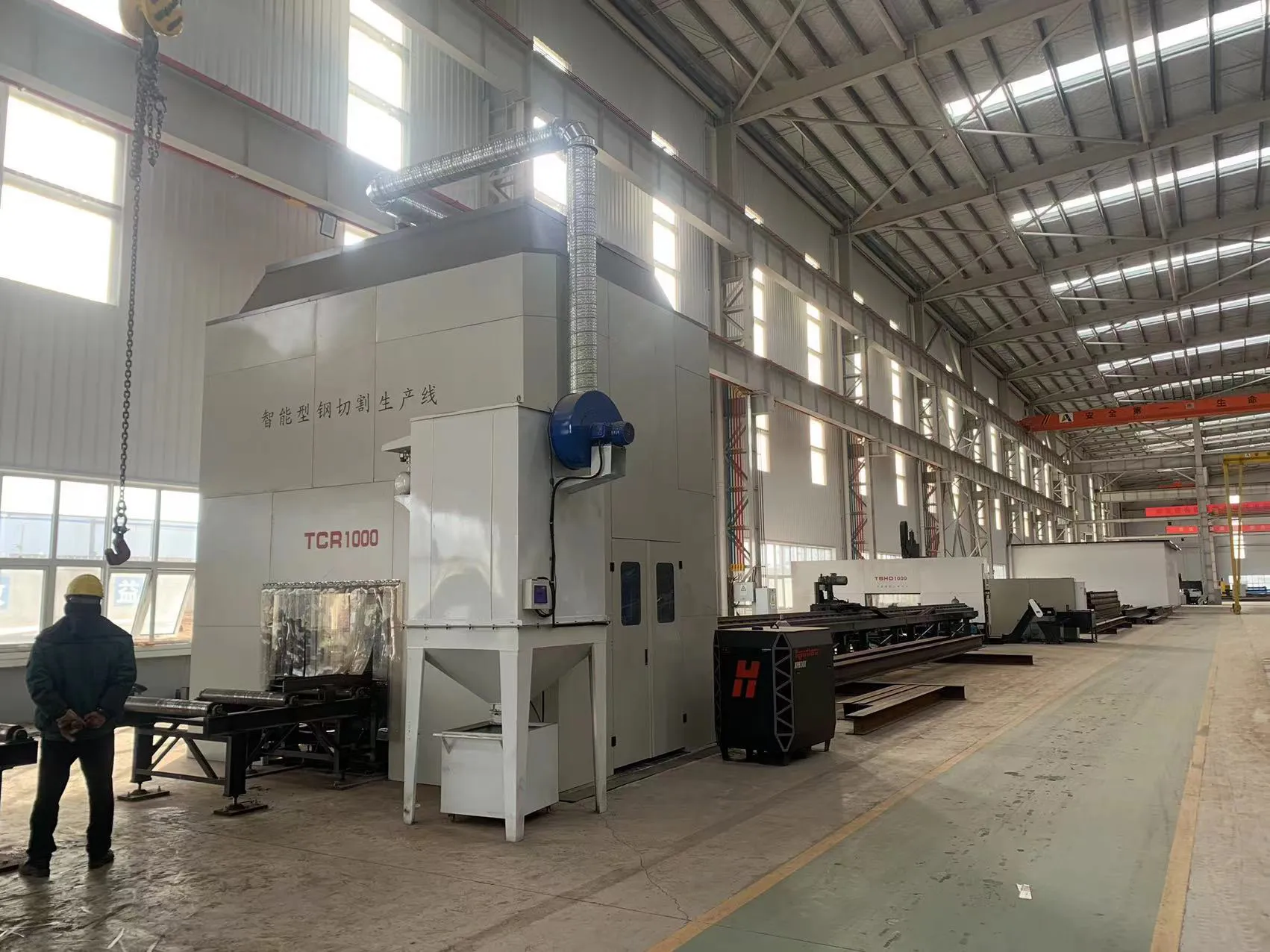
Technical Specifications of the 2kW Fiber Laser
Power and Thickness Capabilities
A 2kW (2000-watt) fiber laser is optimized for sheet metal thickness ranges that dominate the automotive and appliance industries in Leon. For aluminum alloys, such as the 1000, 3000, 5000, and 6000 series, a 2kW source typically provides clean cuts on material ranging from 0.5mm to 8mm. While it can pierce thicker sections, the “sweet spot” for high-quality, high-speed production lies between 1mm and 6mm.
In this range, the laser cutting process achieves a balance between edge quality and processing speed. For instance, 2mm aluminum can be cut at speeds exceeding 15 meters per minute, depending on the specific alloy and the assist gas used. This efficiency is critical for Leon-based manufacturers looking to optimize their throughput and reduce lead times for local supply chains.
Beam Quality and Fiber Delivery
The 2kW system utilizes a fiber optic cable to deliver the laser beam from the resonator to the cutting head. This solid-state design eliminates the need for bellows and mirrors found in CO2 systems, which are prone to misalignment and contamination. The beam quality, often measured by the M2 factor, is exceptionally high in 2kW systems, resulting in a small focal spot size. A smaller spot size increases power density, allowing the laser to vaporize aluminum rapidly, which is essential for overcoming the material’s natural tendency to dissipate heat.
Processing Aluminum Alloys: The Engineering Challenge
Overcoming High Reflectivity
Aluminum is a highly reflective material in its solid state. When a laser beam first hits the surface, a significant portion of the energy can be reflected back into the cutting head, potentially damaging the optical components. Modern 2kW fiber lasers are equipped with “back-reflection” protection systems. These sensors detect reflected light and can shut down the laser in microseconds to prevent damage. Furthermore, once the material reaches its melting point, its reflectivity drops significantly, allowing the laser cutting process to proceed with high efficiency.
Managing Thermal Conductivity
Aluminum conducts heat much faster than carbon steel. During the laser cutting process, heat quickly spreads away from the kerf (the cut width). If the cutting speed is too slow, the Heat Affected Zone (HAZ) expands, leading to potential warping or melting of fine details. A 2kW system provides sufficient power density to maintain high feed rates, ensuring that the energy is concentrated on melting the kerf rather than heating the surrounding plate. This is particularly important for the precision components required by Leon’s aerospace and electronics sectors.

Optimizing Operational Parameters
Assist Gas Selection: Nitrogen vs. Oxygen
The choice of assist gas is the most critical factor in determining the edge quality of aluminum. For most 2kW applications in Leon, Nitrogen is the preferred choice. Nitrogen acts as a shielding gas, preventing oxidation of the molten aluminum. This results in a “bright” or “silver” edge that is ready for welding or painting without secondary cleaning operations. Nitrogen cutting requires high pressure (typically 12-18 bar) to mechanically blow the molten metal out of the kerf.
Alternatively, compressed air can be used for thinner gauges to reduce operational costs, though it may result in a slight oxide layer. Oxygen is rarely used for aluminum because it promotes a violent exothermic reaction that leads to poor edge quality and excessive dross (slag) on the bottom of the sheet.
Nozzle Selection and Focal Position
For a 2kW laser cutting aluminum, a double-layer nozzle is often recommended when using high-pressure nitrogen. The nozzle diameter usually ranges from 1.5mm to 3.0mm depending on the thickness. The focal position is another critical variable; unlike steel, where the focus is often on the surface, aluminum usually requires a “negative” focus—meaning the focal point is positioned inside or near the bottom of the material. This helps create a wider kerf at the bottom, facilitating the removal of molten material and reducing dross adhesion.
Maintenance Protocols for High-Performance Cutting
Optical Cleanliness
In the industrial environment of Leon, dust and airborne particulates can be a major threat to laser optics. The protective window (cover glass) of the cutting head must be inspected daily. Even a microscopic speck of dust can absorb laser energy, heat up, and crack the glass or damage the internal lenses. Operators should use specialized cleaning kits, including high-purity isopropyl alcohol and lint-free swabs, to maintain these components.
Cooling Systems and Environment
A 2kW fiber laser generates heat within the resonator and the cutting head. A dedicated water chiller is required to maintain a constant temperature. In Leon, where ambient temperatures can fluctuate significantly between day and night, the chiller must be capable of precise temperature regulation to prevent thermal expansion of the optical mounts. Furthermore, the air used for the pneumatic systems must be dried and filtered to prevent oil or moisture from contaminating the beam path or the workpiece.
The Industrial Context of Leon
Supply Chain and Local Expertise
Leon has established itself as a cornerstone of the Bajío region’s industrial corridor. The presence of Tier 1 and Tier 2 automotive suppliers has created a sophisticated ecosystem for metalworking. Implementing a 2kW laser cutting system in this region allows shops to compete for contracts that require tight tolerances and high repeatability. Local availability of high-purity gases (Nitrogen and Argon) and technical support services makes Leon an ideal location for high-tech manufacturing investments.
Economic Impact of Fiber Laser Adoption
The transition from traditional punching or plasma cutting to 2kW fiber laser cutting offers a significant return on investment. The reduction in secondary finishing processes, lower power consumption compared to CO2 lasers, and the ability to nest parts tightly to minimize material waste are all factors that contribute to lower per-part costs. For Leon’s fabrication shops, this efficiency is the key to maintaining a competitive edge in both domestic and international markets.
Safety Considerations in Laser Operations
Class 4 Laser Safety
A 2kW fiber laser is a Class 4 laser device, meaning the beam is hazardous to the eyes and skin, even from diffused reflections. Most modern machines used in Leon are fully enclosed (Class 1 enclosure) with laser-safe viewing windows. It is imperative that interlocks are never bypassed and that any personnel entering the cutting area during maintenance wear appropriate wavelength-specific safety goggles. The 1064nm wavelength of fiber lasers is particularly dangerous because it can pass through the cornea and cause permanent retinal damage without the operator immediately feeling pain.
Fume Extraction
Laser cutting aluminum produces fine metallic dust and fumes. If the alloy contains elements like magnesium or zinc, these fumes can be toxic. A robust dust extraction and filtration system is mandatory. In Leon, environmental regulations increasingly require that these systems be equipped with HEPA filters to ensure that the air exhausted from the factory meets local air quality standards.
Conclusion: The Future of Metal Fabrication in Leon
The 2kW sheet metal laser cutting system is more than just a tool; it is a gateway to advanced manufacturing for the Leon industrial sector. By mastering the specific requirements of aluminum alloy processing—from managing reflectivity to optimizing nitrogen flow—fabricators can produce high-quality components that meet the rigorous standards of the modern global economy. As fiber laser technology continues to evolve, with improvements in beam shaping and real-time monitoring, the capability of the 2kW platform will only continue to grow, solidifying Leon’s position as a leader in precision metal fabrication.













