The Definitive Guide to 2kW Sheet Metal laser cutting for Carbon Steel in Monterrey
The industrial landscape of Monterrey, Nuevo León, stands as the powerhouse of Mexican manufacturing. As the city continues to evolve into a global hub for automotive, aerospace, and appliance production, the demand for precision fabrication has never been higher. Among the various technologies driving this evolution, the 2kW fiber laser cutting system has emerged as the “sweet spot” for small to medium enterprises (SMEs) and specialized fabrication shops focusing on carbon steel. This guide explores the technical nuances, operational strategies, and regional considerations for deploying 2kW laser cutting technology in the Monterrey industrial corridor.
Understanding the 2kW Fiber Laser Advantage
A 2kW fiber laser represents a significant leap in efficiency over traditional CO2 systems and lower-powered fiber alternatives. In the context of laser cutting, “fiber” refers to the medium used to create the laser beam—in this case, an optical fiber doped with rare-earth elements. This technology is particularly effective for carbon steel due to its wavelength (typically around 1.06 microns), which is absorbed more efficiently by metallic surfaces compared to the 10.6 microns of a CO2 laser.
For Monterrey-based fabricators, the 2kW power rating offers a versatile range. It provides enough energy to penetrate thick plates while maintaining the high-speed capabilities required for thin-gauge sheet metal. This versatility is crucial for the local supply chain, which often demands quick pivots between structural components and aesthetic panels.
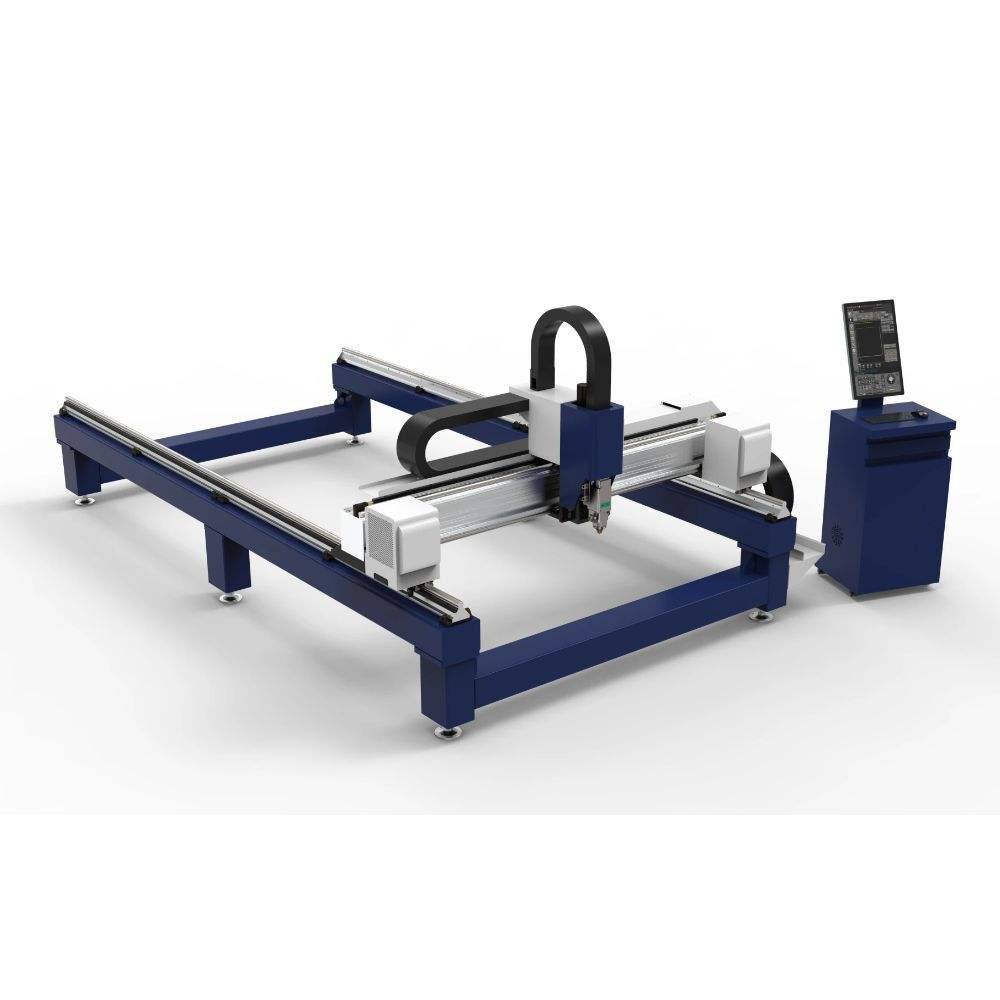
Carbon Steel Processing Capabilities
Carbon steel remains the most widely processed material in Monterrey’s heavy industries. When utilizing a 2kW laser cutting system, the performance metrics are generally categorized by thickness and edge quality. At 2,000 watts, the machine can comfortably handle the following:
- Thin Gauge (1mm – 3mm): Exceptional speeds, often exceeding 20-30 meters per minute depending on the complexitiy of the geometry.
- Medium Gauge (4mm – 10mm): The “bread and butter” of the 2kW system. It offers a perfect balance between cutting speed and edge squareness.
- Thick Plate (12mm – 16mm): This represents the upper limit for a 2kW source. While cutting is possible, speeds decrease significantly, and the process requires precise gas pressure management to maintain a clean finish.
The Heat Affected Zone (HAZ) is a critical consideration for engineers. Because the fiber laser concentrates energy into a very small spot size, the HAZ in carbon steel is significantly smaller than that of plasma or CO2 cutting. This results in less thermal distortion, which is vital for parts that require subsequent high-precision welding or assembly.
Optimizing Gas Selection for the Monterrey Climate
Monterrey’s unique climate—characterized by extreme heat in the summer and varying humidity levels—can influence the laser cutting process, particularly regarding the assist gases used. For carbon steel, there are three primary choices:
1. Oxygen (O2) Cutting
Oxygen is the standard assist gas for carbon steel. It facilitates an exothermic reaction, where the gas actually helps burn the metal, adding thermal energy to the cut. This allows the 2kW laser to penetrate thicker plates (up to 16mm). However, oxygen cutting leaves a thin layer of oxide on the edge, which must be removed if the part is to be powder-coated or painted to ensure proper adhesion.
2. Nitrogen (N2) Cutting
Nitrogen is used as a high-pressure shroud to blow away molten metal without causing a chemical reaction. This results in an “oxide-free” edge. While nitrogen requires more power (often making 2kW feel limited to sheets under 4mm for efficient N2 cutting), it eliminates the need for secondary cleaning processes. In Monterrey’s fast-paced appliance industry, the time saved by skipping the de-scaling phase is a significant competitive advantage.
3. Compressed Air Cutting
With the advancement of high-pressure filtration systems, compressed air has become a viable, low-cost alternative for thin-gauge carbon steel. However, in Monterrey, the high humidity during certain seasons requires sophisticated air dryers. Any moisture in the air line can damage the laser head’s protective window or contaminate the cut, leading to dross formation.

Technical Considerations for Monterrey’s Industrial Environment
Operating a 2kW laser cutting machine in an environment like Santa Catarina or Apodaca requires specific attention to infrastructure. The “Regiomontano” summer, with temperatures frequently exceeding 40°C, poses a challenge to the machine’s cooling system.
Chiller Performance and Ambient Temperature
The fiber source and the cutting head must be kept at a constant temperature. Standard chillers may struggle if the ambient shop temperature is too high. It is recommended that Monterrey shops invest in oversized chillers or house the laser source in a climate-controlled enclosure to prevent condensation and thermal instability in the laser beam.
Power Stability
The industrial electrical grid in some sectors of Monterrey can experience voltage fluctuations. Fiber lasers are sensitive electronic instruments. A voltage stabilizer and a dedicated grounding system are non-negotiable to protect the 2kW resonator and the CNC controller from surges that could lead to costly downtime.
Maintenance Protocols for Longevity
To maintain peak performance in carbon steel processing, a rigorous maintenance schedule is required. Carbon steel cutting generates significant amounts of fine dust and iron oxide particles.
- Optical Path Integrity: Even though the fiber delivers the beam internally, the external cutting head contains lenses and protective windows. These must be inspected daily in a clean-room environment to prevent “thermal lensing,” where dust on the lens absorbs laser energy and cracks the glass.
- Slat Maintenance: For carbon steel, slag buildup on the copper or steel slats can cause back-reflection or “tipping” of small parts. Regularly cleaning or replacing slats ensures the material stays flat and the laser cutting remains consistent.
- Dust Extraction: High-volume dust collectors are essential. In Monterrey’s industrial zones, environmental regulations are tightening; ensuring your filtration system meets local SEMARNAT or state-level standards is both an operational and legal necessity.
Economic Impact and ROI for Local Fabricators
Investing in a 2kW laser cutting system in Monterrey is often driven by the need to move away from outsourcing. By bringing laser cutting in-house, shops can reduce lead times from weeks to days. The ROI for a 2kW system is typically realized within 18 to 24 months for shops running at 60% capacity.
The cost per part is significantly lower than traditional methods when considering the lack of tool wear (unlike mechanical shearing or punching) and the high nesting efficiency provided by modern CAD/CAM software. In the context of Monterrey’s labor market, the automated nature of CNC laser cutting allows a single operator to manage multiple machines, addressing the challenge of finding highly skilled manual layout technicians.
Future-Proofing Your Operation
As the “Nearshoring” trend brings more complex manufacturing to Northern Mexico, the requirements for precision will only increase. A 2kW system provides a robust entry point into high-tech fabrication. However, when selecting a machine, Monterrey business owners should look for modular platforms. Many modern frames can be upgraded from a 2kW source to a 4kW or 6kW source in the future without replacing the entire gantry system, providing a clear path for growth as production volumes increase.
Conclusion
The 2kW sheet metal laser cutting system is a transformative tool for the Monterrey carbon steel fabrication market. It offers the precision required by the automotive sector, the speed needed by the appliance industry, and the reliability demanded by the rigorous Mexican manufacturing environment. By understanding the interplay between laser power, gas dynamics, and local environmental factors, fabricators can maximize their productivity and maintain a competitive edge in one of the world’s most dynamic industrial regions. Whether you are producing brackets for heavy machinery or intricate panels for architectural projects, mastering the 2kW fiber laser is a cornerstone of modern engineering excellence.













