Introduction to 30kW Laser Technology in Tijuana
The industrial landscape of Tijuana, Mexico, has undergone a radical transformation over the last decade, evolving from a center of basic assembly to a high-tech manufacturing powerhouse. At the forefront of this evolution is the implementation of ultra-high-power fiber laser systems. Specifically, the 30kW precision laser system represents the current pinnacle of industrial laser cutting technology. For manufacturers in Tijuana specializing in aerospace, electronics, and decorative architecture, the ability to process non-ferrous metals—specifically brass—with high efficiency is no longer a luxury but a competitive necessity.
A 30kW system offers power densities that were previously unattainable, allowing for the processing of thicker materials at speeds that drastically reduce the cost per part. In the context of Tijuana’s “Maquiladora” industry, where throughput and precision are paramount, the integration of these systems allows local facilities to compete directly with global Tier 1 suppliers. This guide explores the technical nuances of utilizing 30kW fiber lasers for brass fabrication, focusing on the unique challenges of the material and the strategic advantages of the Tijuana manufacturing corridor.
The Evolution of High-Power Fiber Lasers
Fiber laser technology has rapidly superseded CO2 lasers in the metal fabrication sector. The primary reason lies in the wavelength of the beam. Fiber lasers operate at a wavelength of approximately 1.06 microns, which is more readily absorbed by metallic surfaces compared to the 10.6 microns of CO2 lasers. When the power is scaled to 30kW, the energy density at the focal point becomes intense enough to vaporize metal almost instantaneously. This high power level is particularly critical for “yellow metals” like brass and copper, which are notoriously difficult to cut due to their high thermal conductivity and optical reflectivity.
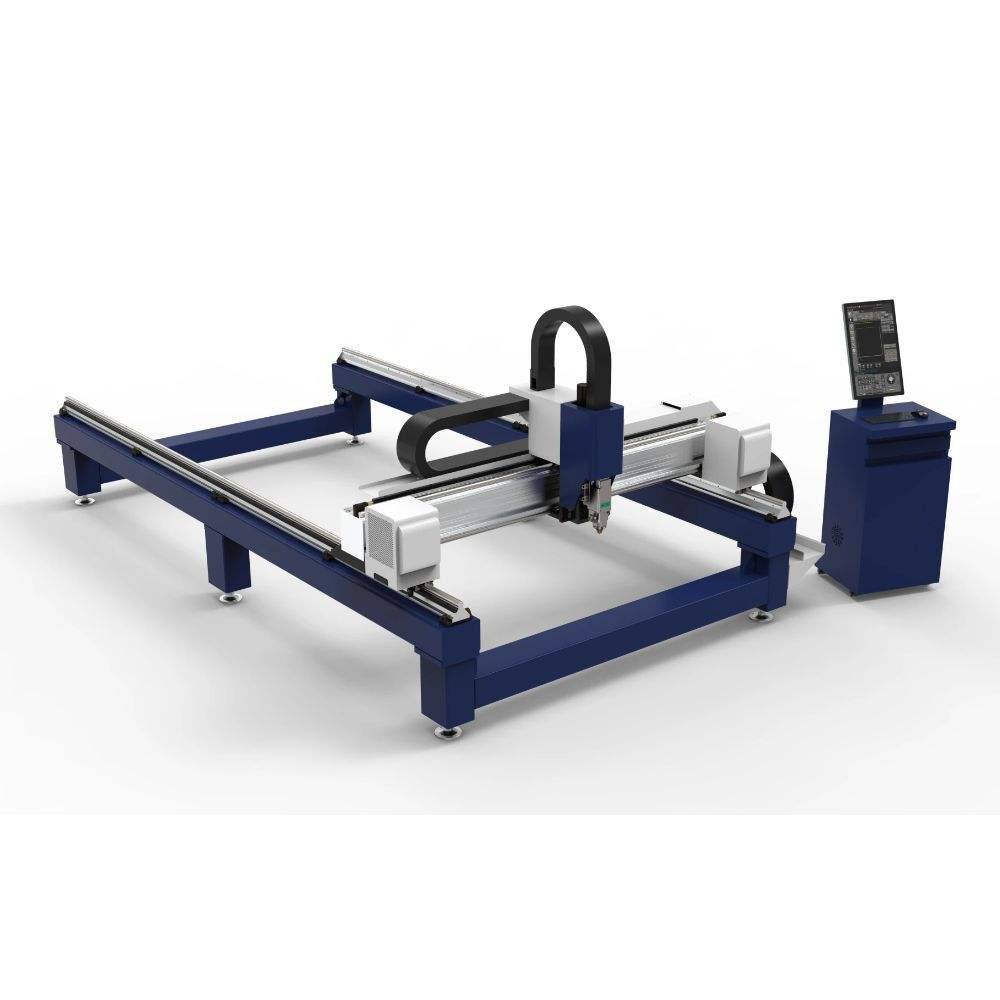
 laser cutting machine” style=”max-width: 100%; height: auto; margin: 20px 0;”>
Material Focus: The Complexity of Brass Fabrication
Brass is an alloy of copper and zinc, prized for its corrosion resistance, electrical conductivity, and aesthetic appeal. However, from a laser cutting perspective, brass presents two significant hurdles: reflectivity and heat dissipation. In lower-wattage systems, the laser beam often reflects off the surface of the brass, potentially traveling back into the delivery fiber and damaging the laser source. This “back-reflection” has historically limited the use of lasers for brass processing.
Overcoming Optical Reflectivity
The 30kW precision laser system addresses the reflectivity issue through sheer power and advanced beam delivery optics. At 30,000 watts, the laser overcomes the material’s reflective threshold almost instantly, establishing a “keyhole” or a stable melt pool before the reflection can cause damage. Furthermore, modern 30kW systems are equipped with back-reflection isolators and sensors that monitor the health of the beam path in real-time. This allows manufacturers in Tijuana to process mirror-finish brass sheets without the constant fear of catastrophic equipment failure.
Thermal Management and Edge Quality
Because brass conducts heat so efficiently, the heat-affected zone (HAZ) can quickly expand, leading to warping or dross (slag) accumulation on the underside of the cut. The 30kW system mitigates this by increasing the cutting speed. By moving the laser head faster across the material, the heat is concentrated strictly within the kerf (the width of the cut), leaving the surrounding material cool. This results in a cleaner edge, tighter tolerances, and a reduction in post-processing requirements such as grinding or deburring.
30kW Laser Cutting: Performance Metrics
When evaluating a 30kW system for a Tijuana-based facility, engineers must look at the specific performance metrics that define ROI. These include the maximum pierceable thickness, the stable cutting speed for various gauges, and the gas consumption rates. For brass, the 30kW threshold allows for the clean cutting of plates up to 50mm thick, a feat that was once the exclusive domain of waterjet or plasma cutting, both of which lack the precision of a laser.
Speed and Throughput Calculations
In a 30kW environment, the laser cutting speed for 3mm brass can exceed 60 meters per minute. Even at thicknesses of 10mm to 15mm, the machine maintains a velocity that ensures high-volume production. This throughput is vital for Tijuana’s electronics sector, where brass components are often required in large batches for shielding or decorative housings. The ability to nest parts tightly on a large-format bed and cut them at these speeds significantly optimizes material utilization and reduces labor costs.
Precision and Kerf Control
Precision is not just about the power; it is about the control of that power. A 30kW system utilizes sophisticated CNC controllers that adjust the laser’s frequency, duty cycle, and gas pressure in micro-seconds. For brass, maintaining a narrow kerf is essential for intricate designs. The high power allows for a smaller focal spot size, which in turn permits more complex geometries that would be impossible with mechanical stamping or lower-power lasers. This precision is a key selling point for Tijuana shops bidding on high-spec aerospace contracts.
The Tijuana Advantage: Strategic Manufacturing
Tijuana has become a strategic hub for laser cutting services due to its proximity to the United States and its robust infrastructure. The “Cali-Baja” mega-region facilitates a seamless flow of raw materials and finished goods. Implementing a 30kW system in this region provides several logistical and economic advantages.
Logistics and International Standards
Manufacturers in Tijuana often operate under ISO 9001 and AS9100 standards. A 30kW laser provides the consistency required to meet these rigorous quality benchmarks. Furthermore, the ability to source brass from both Mexican and US suppliers allows for flexible supply chain management. The speed of the 30kW system fits perfectly into “Just-In-Time” (JIT) manufacturing models, where parts cut in Tijuana in the morning can be delivered to a San Diego assembly plant by the afternoon.
Technical Workforce and Integration
The workforce in Tijuana has grown increasingly sophisticated. Operating a 30kW laser requires more than just a machine operator; it requires a technician who understands CAD/CAM integration, beam collimation, and the chemistry of assist gases. Local universities and technical institutes have pivoted to provide training in CNC programming and laser physics, ensuring that companies investing in 30kW technology have access to a skilled talent pool capable of maximizing the machine’s potential.
Operational Best Practices for Brass
To achieve the best results when laser cutting brass with a 30kW system, certain operational protocols must be followed. These protocols ensure both the longevity of the machine and the quality of the finished product.
Assist Gas Optimization
The choice of assist gas—typically Nitrogen or Oxygen—is critical. For brass, Nitrogen is the preferred choice for a 30kW system. Nitrogen acts as a shielding gas, preventing oxidation and ensuring that the cut edge remains bright and “yellow.” The high pressure of the Nitrogen also helps to blow the molten brass out of the kerf at high speeds. Because 30kW systems cut so fast, the gas delivery system must be capable of maintaining high flow rates without pressure drops, necessitating high-capacity liquid nitrogen tanks or high-pressure generation systems.
Maintenance of Optical Components
In a 30kW system, the optical path is under immense stress. Even a microscopic speck of dust on the protective window can absorb enough energy to shatter the lens. In the industrial environment of Tijuana, maintaining a clean-room standard for the laser head is essential. Regular inspection of the cover glass, monitoring the cooling water temperature (which must be precisely regulated to dissipate the heat from the 30kW source), and ensuring the collimator is perfectly aligned are daily requirements for high-precision brass cutting.
Conclusion
The adoption of 30kW precision laser systems for brass fabrication in Tijuana represents a significant leap forward for the regional manufacturing sector. By overcoming the traditional barriers of reflectivity and thermal conductivity, these machines allow for unprecedented speed, precision, and thickness capabilities. As global supply chains continue to favor nearshoring, Tijuana’s investment in ultra-high-power laser cutting technology ensures its position as a critical node in the North American manufacturing ecosystem. For engineers and facility managers, the 30kW system is not just a tool, but a platform for innovation, allowing for the creation of complex brass components that meet the highest standards of modern industry.













