The Evolution of 2kW Tube laser cutting in Leon
The industrial landscape of Leon has undergone a significant transformation with the integration of advanced fiber laser technology. As a hub for automotive manufacturing, aerospace components, and structural engineering, the demand for high-precision metal fabrication has never been greater. At the center of this revolution is the 2kW tube laser cutting machine, a versatile powerhouse specifically engineered to handle the complexities of non-ferrous metals, particularly aluminum alloys. The transition from traditional mechanical sawing and plasma cutting to fiber laser cutting has enabled local manufacturers to achieve tolerances and production speeds that were previously unattainable.
A 2kW fiber laser source provides the optimal balance between capital investment and operational capability. In the context of aluminum—a material known for its high reflectivity and thermal conductivity—the 2kW threshold represents a critical point where the beam intensity is sufficient to overcome the material’s initial resistance, ensuring a stable and clean melt pool. For the workshops and industrial parks of Leon, adopting this technology means not only increasing throughput but also expanding the complexity of the geometries they can offer to a global supply chain.
Understanding the 2kW Fiber Laser Advantage
The core of the 2kW tube laser cutting system lies in its fiber optic delivery. Unlike CO2 lasers, which rely on a series of mirrors, the fiber laser generates the beam within an ytterbium-doped fiber and delivers it via a flexible cable directly to the cutting head. This results in a much smaller spot size and a significantly higher power density. When laser cutting aluminum, this high power density is vital. Aluminum reflects a large percentage of infrared light; however, the 1.06-micron wavelength of a fiber laser is absorbed much more efficiently than the 10.6-micron wavelength of traditional CO2 lasers.
Furthermore, the 2kW power rating is particularly effective for the wall thicknesses most commonly found in Leon’s industrial applications—typically ranging from 1mm to 8mm for aluminum tubes. Within this range, the 2kW system maintains high feed rates while minimizing the Heat Affected Zone (HAZ), ensuring that the structural integrity of the aluminum alloy is preserved. This is a critical factor for components destined for the automotive sector, where material fatigue and stress points must be strictly controlled.
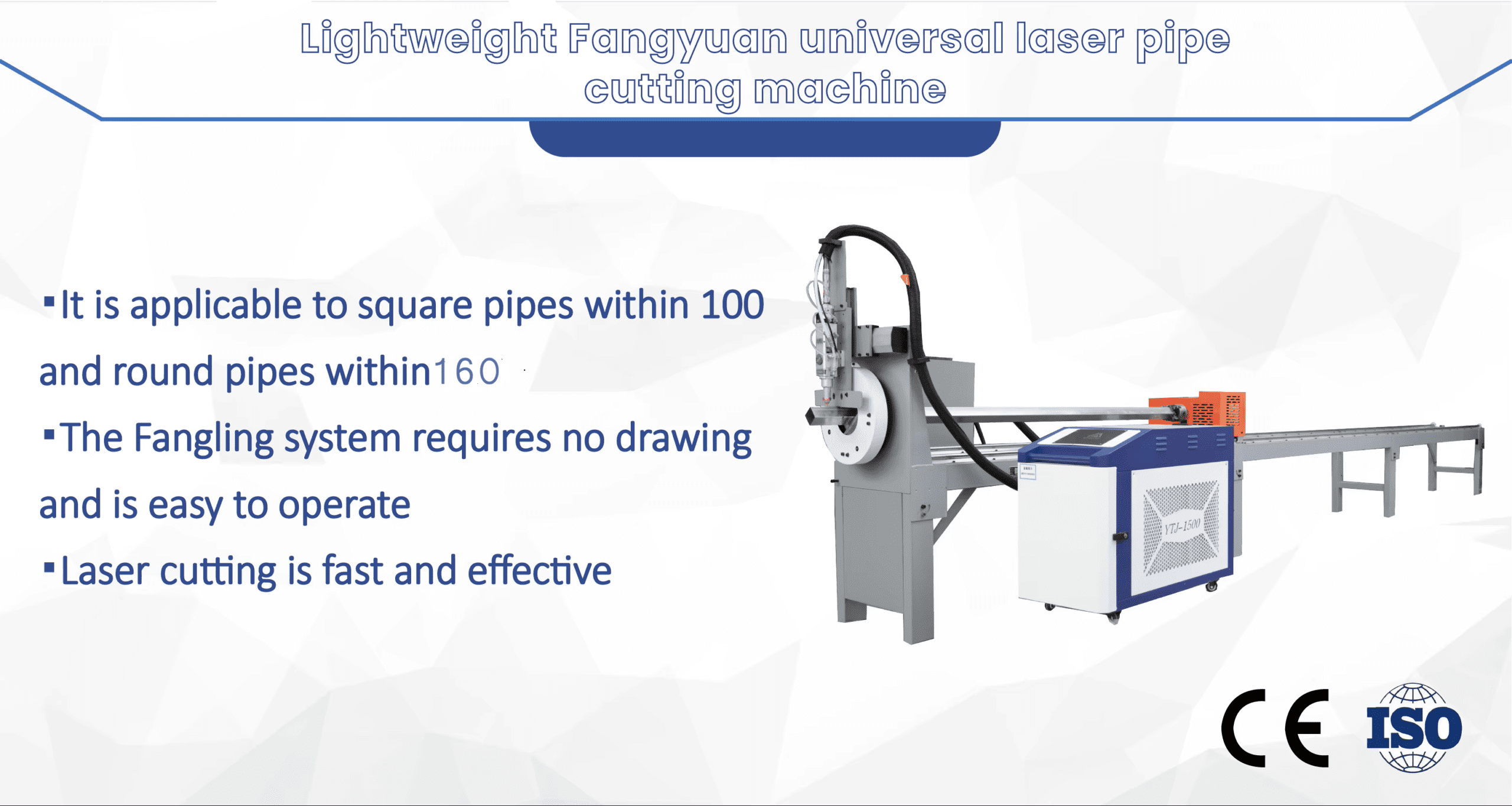
Technical Specifications and Material Capabilities
When processing aluminum alloys such as 6061, 6063, or 5052 in Leon, the 2kW tube laser must be calibrated to account for the specific alloying elements. Magnesium and silicon, common in the 6000 series, affect how the laser interacts with the metal. A professional-grade 2kW system is equipped with advanced CNC controllers that adjust pulse frequency, duty cycle, and gas pressure in real-time to prevent the “dross” or burr formation that often plagues inferior cutting methods.
Maximum Thickness and Speed Parameters
In a production environment, the relationship between thickness and speed is the primary driver of ROI. For a 2kW source, aluminum tube cutting typically follows these benchmarks:
- 1mm – 2mm: Extremely high-speed cutting, often exceeding 20-30 meters per minute, ideal for lightweight frames and furniture.
- 3mm – 5mm: The “sweet spot” for 2kW, providing a perfect balance of edge quality and speed for automotive chassis components.
- 6mm – 8mm: The upper limit for high-quality production cuts. While the machine can pierce thicker material, the speed reduces to ensure the assist gas can effectively clear the molten aluminum.
It is important to note that these speeds are significantly higher than those achievable with 1kW systems, and the edge finish requires far less post-processing, which is a major advantage for Leon’s high-volume manufacturers.
Precision Chucks and Automatic Loading
The mechanics of tube laser cutting are as important as the laser source itself. Modern machines feature dual or triple pneumatic chuck systems that provide high-speed rotation with zero slippage. In Leon’s competitive market, many facilities opt for machines with automatic loading systems. These systems can feed 6-meter or 9-meter raw tubes into the machine continuously, allowing the 2kW laser to operate with minimal downtime. The synchronization between the rotating chuck and the longitudinal movement of the laser head allows for complex intersections, saddle cuts, and intricate hole patterns to be executed with sub-millimeter precision.

Overcoming Challenges in Aluminum Alloy Processing
Aluminum is often described as a “tricky” material for laser cutting due to its physical properties. Its high thermal conductivity means that heat dissipates rapidly from the cut zone, requiring a consistent and intense energy input. Additionally, the molten aluminum is relatively viscous compared to carbon steel, making it harder to blow out of the kerf.
Gas Management and Nozzle Selection
The choice of assist gas is paramount when laser cutting aluminum in Leon. Nitrogen is the standard choice for high-quality finishes. By using high-pressure nitrogen (often between 12 and 18 bar), the laser melts the material while the gas mechanically pushes the melt through the bottom of the cut. Because nitrogen is inert, it prevents oxidation on the cut edge, leaving a bright, weld-ready surface. For certain architectural applications where edge discoloration is less of a concern and cost-saving is required, compressed air can be used, provided it is high-pressure and thoroughly filtered for oil and moisture.
Nozzle geometry also plays a role. Double-layer nozzles are frequently used for aluminum to stabilize the gas flow and protect the laser optics from potential “back-reflection.” Modern 2kW heads are also equipped with capacitive height sensing, which maintains a constant distance between the nozzle and the vibrating or slightly bowed tube surface, preventing collisions and maintaining focus consistency.
Software and Nesting Efficiency
To maximize the utility of a 2kW tube laser, sophisticated CAD/CAM software is required. In Leon, engineers utilize nesting software to minimize “remnant” or scrap material. Since aluminum is a more expensive raw material than mild steel, saving even 5% of a tube through intelligent nesting can result in thousands of dollars in annual savings. The software allows for “common line cutting,” where two parts share a single cut path, further reducing the total laser cutting time and gas consumption.
Industrial Applications in Leon’s Manufacturing Sector
The versatility of the 2kW tube laser has made it an essential tool across various sectors in Leon. The ability to process round, square, rectangular, and even custom extruded profiles gives designers unprecedented freedom.
Automotive and Transportation
Leon is a vital link in the automotive supply chain. Aluminum tubes are increasingly used in vehicle frames, seat structures, and cooling systems to reduce weight and improve fuel efficiency. The 2kW laser allows for the creation of complex “tab and slot” designs, which enable self-fixturing assemblies. This reduces the need for expensive welding jigs and speeds up the assembly line, providing a significant competitive edge to local Tier 1 and Tier 2 suppliers.
Construction and Solar Energy
With the rise of renewable energy projects in the region, aluminum tube laser cutting is used extensively for solar panel mounting structures. Aluminum’s natural corrosion resistance makes it ideal for outdoor use, and the 2kW laser can rapidly produce the hundreds of thousands of holes and notches required for these massive arrays. Similarly, in architectural construction, laser-cut aluminum tubes are used for facades, railings, and lightweight trusses, where aesthetic edge quality is just as important as structural strength.
Best Practices for Maintenance and Safety
Operating a 2kW fiber laser in an industrial environment like Leon requires strict adherence to maintenance protocols to ensure longevity. The primary concern with aluminum is the “fine dust” created during the cutting process. Aluminum dust is not only abrasive to mechanical components but is also potentially explosive if allowed to accumulate in high concentrations.
Dust Extraction and Filtration
A high-capacity dust extraction system is mandatory. The machine should be equipped with a specialized filtration unit that captures aluminum particles and prevents them from settling on the linear guides or the laser’s optical path. Regular cleaning of the slats and the internal cabinet is necessary to maintain a safe working environment.
Optical Integrity
Reflective “kickback” is a known risk when laser cutting aluminum. While 2kW fiber lasers are designed with isolators to protect the source from reflected light, the protective window in the cutting head must be inspected daily. Any contamination on the window can absorb laser energy, leading to thermal distortion or “lens burn,” which significantly degrades cut quality. Operators in Leon should be trained to perform these inspections in a clean-room environment to prevent introducing further contaminants.
Conclusion: The Future of Fabrication in Leon
The adoption of 2kW tube laser cutting technology represents a maturing of the manufacturing capabilities in Leon. By mastering the nuances of aluminum alloy processing—from gas dynamics to advanced nesting—local companies are positioning themselves as leaders in a global market that increasingly values precision, efficiency, and material intelligence. As fiber laser technology continues to evolve, the 2kW system will remain a cornerstone of the workshop, providing the reliability and performance needed to turn complex engineering visions into reality. Whether for the next generation of electric vehicles or innovative architectural landmarks, the laser cutting of aluminum tubes will continue to drive Leon’s industrial growth for years to come.













