Introduction to 1.5kW laser cutting in the Toluca Industrial Sector
In the heart of Mexico’s manufacturing corridor, Toluca has established itself as a pivotal hub for automotive, aerospace, and electronics production. For local fabricators and Tier 2 suppliers, the adoption of 1.5kW fiber laser technology represents a significant leap in operational efficiency. This guide explores the technical nuances of utilizing a 1.5kW sheet metal laser specifically for aluminum alloys, a material prized for its strength-to-weight ratio but often feared for its challenging thermal properties. Precision laser cutting in Toluca requires an understanding of both the machine’s capabilities and the environmental variables unique to the State of Mexico.
The 1.5kW power rating is often considered the “sweet spot” for small to medium-sized enterprises (SMEs). It offers a balance between capital investment and high-speed processing for thin-gauge materials. When dealing with aluminum, which is inherently reflective and highly conductive, the 1.5kW fiber source provides the necessary power density to overcome the material’s initial reflectivity, ensuring a stable and clean cut. As Toluca continues to modernize its industrial parks, mastering this technology is essential for maintaining a competitive edge in the global supply chain.
The Evolution of Fiber Laser Technology
Before the dominance of fiber lasers, CO2 lasers were the industry standard. However, CO2 lasers struggle with aluminum due to the wavelength’s poor absorption rate in non-ferrous metals. Fiber lasers, operating at a wavelength of approximately 1.06 microns, are absorbed much more efficiently by aluminum alloys. A 1.5kW fiber system delivers a concentrated beam that can pierce and cut through aluminum with significantly less energy waste than older technologies. This efficiency is particularly relevant in Toluca, where energy costs and sustainability targets are increasingly scrutinized by international partners.
Technical Specifications of 1.5kW Systems
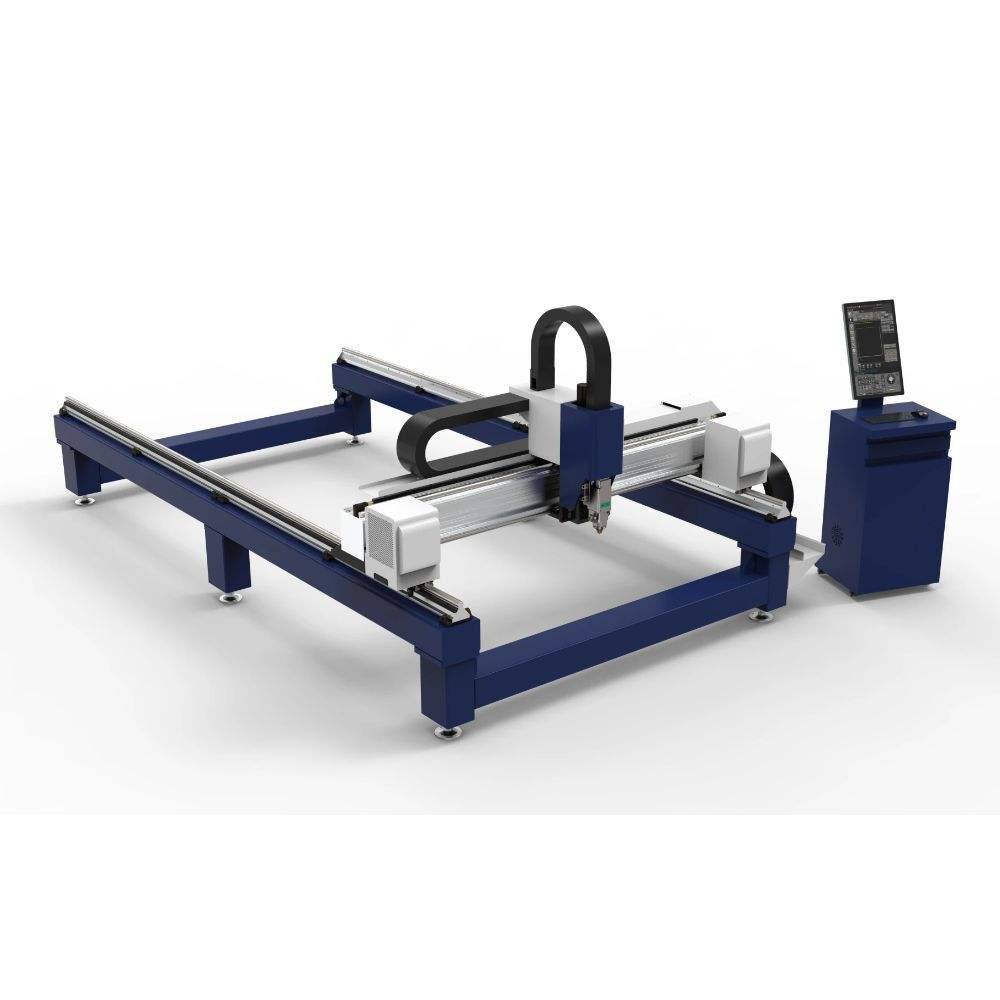
A 1.5kW sheet metal laser is optimized for high-speed processing of aluminum sheets ranging from 0.5mm to 4mm in thickness. While it can cut thicker materials, the 1.5kW threshold is where the machine achieves its highest quality-to-speed ratio for the 5000 and 6000 series aluminum alloys commonly used in the region. The system typically features a high-precision gantry, advanced CNC controls, and a fiber delivery cable that maintains beam integrity from the resonator to the cutting head.
Power Density and Beam Quality
The effectiveness of laser cutting is not solely determined by raw wattage but by power density—the amount of energy focused on a specific area. A 1.5kW laser uses a high-quality beam (often with an M2 factor close to 1.1) to create a microscopic focal spot. This high intensity is what allows the laser to instantly vaporize the aluminum, creating a narrow kerf width. For engineers in Toluca’s precision machining shops, this means tighter tolerances and the ability to produce complex geometries that would be impossible with mechanical shearing or plasma cutting.
Processing Aluminum Alloys: Challenges and Solutions
Aluminum is a “tricky” metal for laser systems. Its high thermal conductivity means that heat dissipates quickly from the cut zone into the surrounding material, which can lead to warping or a large heat-affected zone (HAZ) if parameters are not perfectly tuned. Furthermore, its reflectivity in its molten state can send laser energy back up the delivery fiber, potentially damaging the resonator.
Managing High Reflectivity
Modern 1.5kW fiber lasers are equipped with back-reflection protection. This is a critical feature for shops in Toluca working with 1000 or 3000 series aluminum, which are particularly reflective. The protection system detects reflected light and shuts down the laser or diverts the energy to prevent hardware failure. To further mitigate this, operators often use a “pierce-on-the-fly” technique or apply a non-reflective coating to the sheet, though the inherent absorption of the fiber wavelength usually suffices for 5000 and 6000 series alloys.
Selecting the Right Aluminum Grade
In the Toluca industrial market, the most common alloys are 5052 (high corrosion resistance) and 6061 (structural integrity). 5052 is generally easier for laser cutting because it contains magnesium, which slightly reduces its reflectivity and improves the edge quality. 6061, containing silicon and magnesium, is also highly compatible with 1.5kW systems, provided the focal position is adjusted to account for the slightly different melt dynamics of the alloy.
Optimizing Parameters for Aluminum Sheet Metal
Achieving a dross-free finish on aluminum requires a delicate balance of speed, gas pressure, and focal height. Unlike carbon steel, which uses an exothermic reaction with oxygen to cut, aluminum is typically cut using an inert gas—usually nitrogen—to “push” the molten metal out of the kerf without allowing it to oxidize.
Assist Gas Selection: Nitrogen vs. Compressed Air
For high-end automotive components produced in Toluca, nitrogen is the preferred assist gas. It prevents the formation of aluminum oxide on the cut edge, which is essential if the parts are to be welded or painted later. Nitrogen pressures for a 1.5kW system usually range between 12 to 18 bar. For less critical applications, or to reduce operational costs, high-pressure compressed air can be used. However, this often results in a slight burr on the bottom of the sheet and a matte finish on the edge, which may require secondary deburring.
Focal Position and Nozzle Calibration
When laser cutting aluminum, the focal point is usually set “negative,” meaning it is positioned slightly inside the material or even near the bottom of the sheet. This helps create a wider kerf at the bottom, allowing the high-pressure nitrogen to clear the melt more effectively. A 1.5kW system typically uses a double-nozzle configuration to stabilize the gas flow and protect the protective window from splashes of molten aluminum.
The Impact of Toluca’s Geography on Laser Operations
Operating a 1.5kW laser in Toluca presents unique environmental challenges that are often overlooked in standard manuals. Toluca sits at an elevation of approximately 2,660 meters (8,730 feet) above sea level. This high altitude affects atmospheric pressure and air density, which in turn influences several aspects of the laser cutting process.
Altitude and Atmospheric Pressure Considerations
The thinner air in Toluca can impact the cooling efficiency of the laser’s chiller system. Water-cooled 1.5kW resonators rely on heat exchangers that are less efficient in lower air densities. Engineers must ensure that chillers are rated for high-altitude operation or are slightly oversized to prevent overheating during the hot summer months. Additionally, the dynamics of the assist gas jet change at altitude; the lower ambient pressure can lead to different expansion rates of the nitrogen gas as it exits the nozzle, requiring fine-tuning of the pressure settings compared to sea-level workshops in cities like Veracruz or Monterrey.
Humidity and Optical Health
While Toluca is generally drier than coastal regions, the rainy season brings significant humidity fluctuations. For a 1.5kW fiber laser, maintaining a climate-controlled environment for the power supply and the cutting head is vital. Moisture can condense on the optics or inside the electronic cabinets, leading to beam distortion or short circuits. Using a high-quality air dryer for the pneumatic systems and keeping the machine in a stabilized room will extend the life of the optical components significantly.
Maintenance Protocols for High-Performance Cutting
To maintain the precision required by Toluca’s aerospace and automotive clients, a strict maintenance schedule is mandatory. The 1.5kW fiber laser is a low-maintenance machine compared to CO2 variants, but it is not “maintenance-free.”
Daily and Weekly Inspections
Operators should inspect the protective window (cover glass) daily. Even a tiny speck of aluminum dust can absorb laser energy, heat up, and crack the glass, potentially allowing contaminants into the cutting head. The slat bed should also be cleaned regularly; slag buildup can reflect the beam or cause the sheet to sit unevenly, ruining the focal consistency. In the context of laser cutting, consistency is the key to profitability.
Chiller and Gas Filtration
The chiller’s water conductivity must be monitored. If the water becomes too conductive due to ion buildup, it can cause internal damage to the laser source. Similarly, the gas filtration system must be checked to ensure that the nitrogen or air being fed to the cutting head is free of oil and moisture. In the industrial parks of Toluca, where multiple machines may share a compressed air line, dedicated filtration for the laser is highly recommended.
Conclusion: The Future of Fabrication in Toluca
The integration of 1.5kW sheet metal lasers into Toluca’s manufacturing landscape has democratized high-precision fabrication. By understanding the specific requirements of aluminum alloys—such as managing reflectivity and optimizing nitrogen flow—and accounting for the local altitude, businesses can achieve world-class results. As the demand for lightweight aluminum components grows in the electric vehicle (EV) sector, the 1.5kW fiber laser will remain an indispensable tool for the modern Mexican workshop. Investing in operator training and localized technical support ensures that these machines continue to drive the regional economy forward, one precise cut at a time.













