Introduction to 1.5kW Tube laser cutting in Puebla’s Industrial Sector
The industrial landscape of Puebla, Mexico, has long been a cornerstone of the nation’s manufacturing prowess. Home to massive automotive plants and a burgeoning aerospace supply chain, the demand for precision metal fabrication has never been higher. Among the most critical technologies driving this evolution is the 1.5kW tube laser cutting system. This specific power rating represents a strategic balance between capital investment and operational capability, particularly when processing non-ferrous metals like aluminum alloys.
Laser cutting technology has transitioned from a luxury for high-end shops to an essential tool for any competitive fabrication facility in the Puebla-Tlaxcala valley. The 1.5kW fiber laser source is specifically engineered to handle the high reflectivity of aluminum while maintaining high feed rates on thin-to-medium wall thicknesses. This guide explores the technical nuances, operational strategies, and regional advantages of deploying a 1.5kW tube laser cutter for aluminum alloy applications in the heart of Mexico’s industrial corridor.
Technical Specifications of the 1.5kW Fiber Laser Source
A 1.5kW fiber laser is characterized by its high beam quality and energy density. Unlike CO2 lasers of the past, fiber lasers operate at a wavelength of approximately 1.06 microns, which is much more readily absorbed by aluminum. This efficiency is critical; aluminum’s natural reflectivity can cause “back-reflection,” potentially damaging the laser source if not properly managed. Modern 1.5kW systems incorporate back-reflection protection, allowing for continuous laser cutting of 6061, 5052, and 7075 alloys without risk to the equipment.
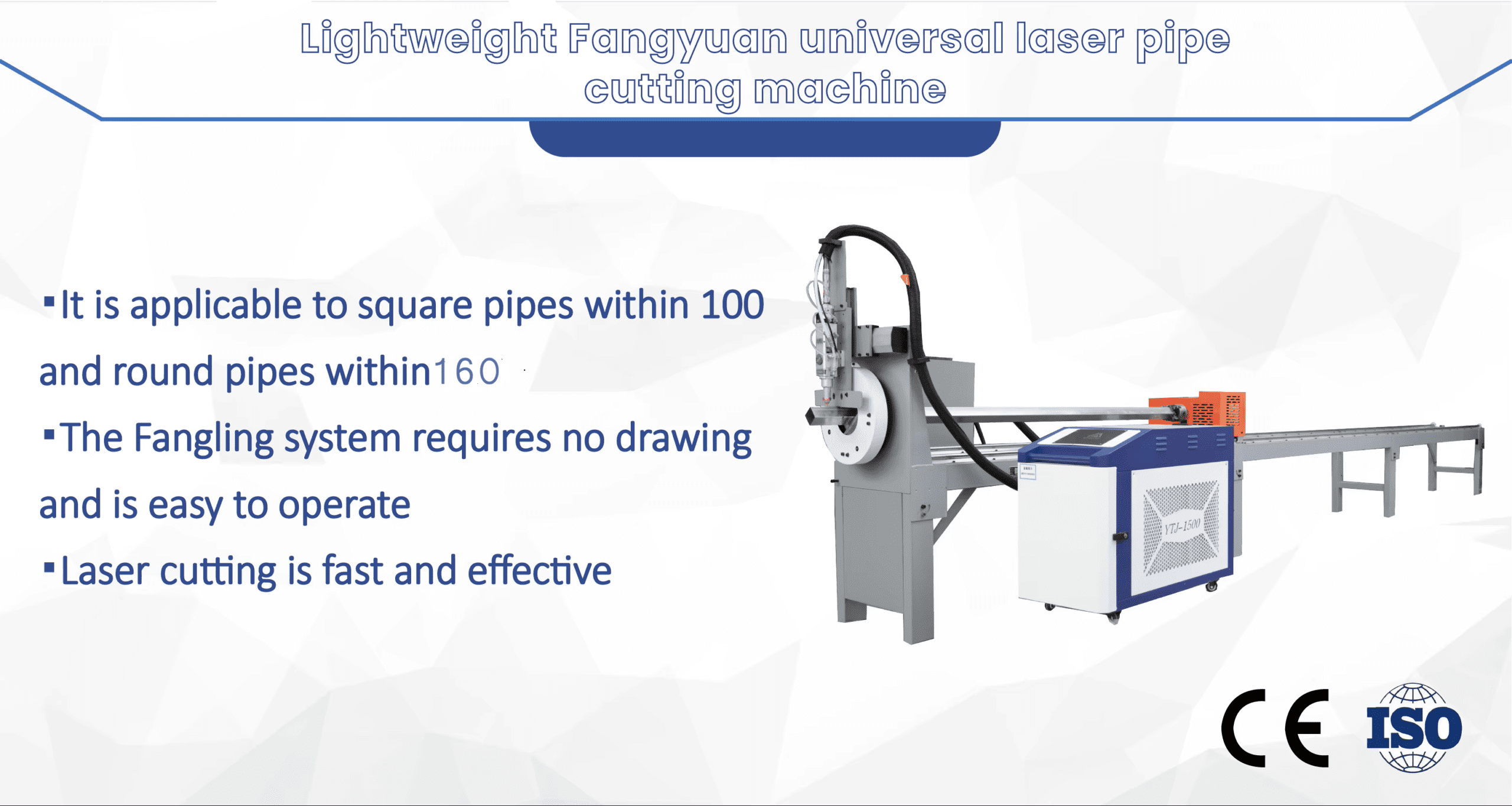
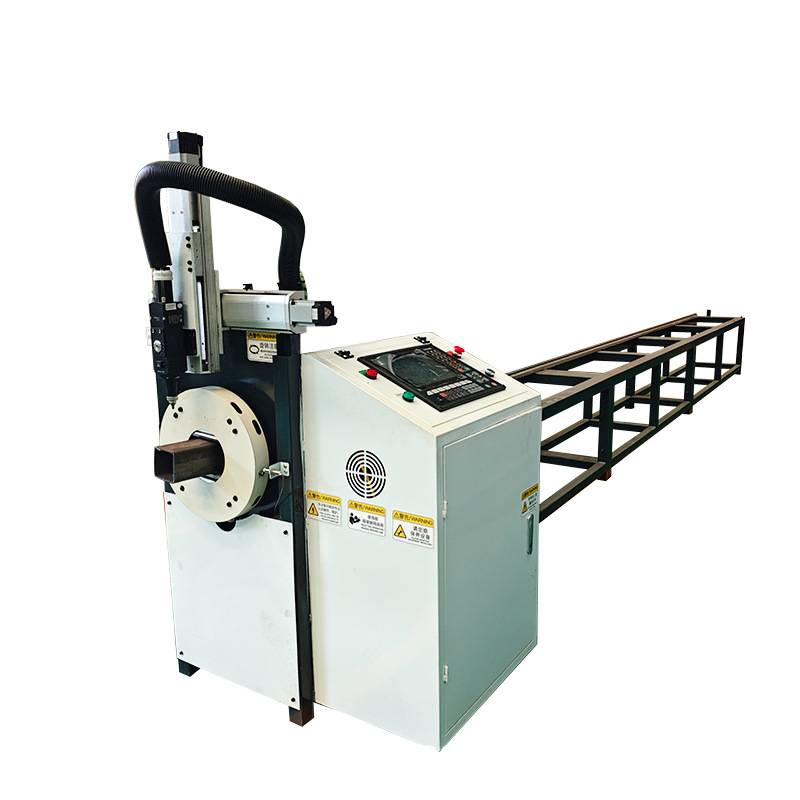
The “tube” aspect of this machine refers to the specialized rotary axis and chuck system. Unlike flatbed lasers, a tube laser must synchronize the rotation of the workpiece with the movement of the cutting head. A 1.5kW system typically handles tube diameters ranging from 20mm to 160mm, making it ideal for furniture frames, automotive structural components, and lightweight architectural scaffolding. The 1.5kW power level is optimized for wall thicknesses between 1mm and 5mm in aluminum, where it can achieve high-speed processing with minimal dross.
 laser cutting machine MAK160″>
Aluminum Alloy Characteristics and Laser Interaction
Aluminum alloys are favored in Puebla’s automotive sector for their high strength-to-weight ratio and corrosion resistance. However, from a laser cutting perspective, aluminum presents unique challenges. It has high thermal conductivity, meaning heat dissipates quickly from the cut zone. This requires a concentrated energy source—like a 1.5kW fiber beam—to maintain a stable melt pool. Furthermore, the viscosity of molten aluminum is relatively high, necessitating precise auxiliary gas management to clear the kerf.
When selecting a 1.5kW system for aluminum, engineers must consider the specific alloy series. The 5000 series (magnesium-based) and 6000 series (silicon and magnesium) are the most common in local manufacturing. The 6061 alloy, ubiquitous in structural applications, responds exceptionally well to fiber laser cutting, yielding clean edges that require little to no post-processing. The 1.5kW threshold ensures that the beam has sufficient “punch” to penetrate the material quickly, reducing the Heat Affected Zone (HAZ) and preventing warping in thin-walled tubes.
Operational Parameters for Precision Cutting
Achieving a high-quality finish on aluminum tubes requires the fine-tuning of several variables. In a 1.5kW setup, the most critical parameters include cutting speed, gas pressure, and focal position. For a 2mm wall thickness aluminum tube, a 1.5kW laser can typically operate at speeds exceeding 15 meters per minute, depending on the complexity of the geometry. If the speed is too low, the high thermal conductivity of the metal leads to excessive melting; if too high, the beam fails to fully penetrate, resulting in “burrs” or incomplete cuts.
Gas selection is equally vital. Nitrogen is the standard choice for laser cutting aluminum because it acts as a shielding gas, preventing oxidation of the cut edge. This is crucial for parts that will later be welded or powder-coated. High-pressure nitrogen (typically 10-15 bar) is used to mechanically blow the molten aluminum out of the cut. In the high-altitude environment of Puebla (approximately 2,135 meters above sea level), air density is lower, which can slightly affect the cooling dynamics and gas flow. Operators must calibrate their systems to account for these local atmospheric conditions to ensure consistent edge quality.
The Importance of Nesting and Software Integration
Efficiency in a 1.5kW tube laser operation isn’t just about the speed of the beam; it’s about material utilization. Advanced nesting software allows Puebla-based fabricators to minimize scrap when cutting complex shapes out of standard 6-meter aluminum extrusions. The software calculates the optimal rotation and sequence of cuts to ensure structural integrity during the process, preventing the tube from sagging or vibrating as material is removed.
Furthermore, the integration of CAD/CAM systems allows for the direct import of complex designs. For automotive suppliers in the region, this means the ability to cut intricate interlocking joints (like fish-mouth cuts or tab-and-slot alignments) that simplify the subsequent assembly and welding phases. This “design for manufacturing” approach, enabled by the precision of laser cutting, significantly reduces labor costs and improves the overall quality of the final product.
Maintenance and Environmental Considerations in Puebla
Operating a 1.5kW tube laser in Puebla requires a proactive maintenance schedule tailored to the local climate. While Puebla is generally temperate, its industrial zones can be dusty. Fiber lasers are sensitive to contamination; even microscopic dust particles on the protective window or the lens can lead to “thermal lensing,” where the beam loses focus and damages the cutting head. Regular cleaning of the optics and the use of high-quality air filtration systems are non-negotiable.
Cooling is another critical factor. A 1.5kW laser generates significant heat within the resonator and the cutting head. A dedicated dual-circuit water chiller is required to maintain a stable operating temperature. In Puebla’s high-altitude environment, the efficiency of air-cooled components in the chiller might be slightly reduced compared to sea-level operations. Therefore, ensuring that the chiller is appropriately sized and that the coolant is treated with anti-corrosive additives is essential for the longevity of the fiber source.
Safety Standards and Operator Training
Laser safety is paramount when dealing with Class 4 laser systems. The 1.06-micron wavelength of a fiber laser is invisible to the human eye but can cause permanent retinal damage instantly. In Mexico, adherence to NOM (Normas Oficiales Mexicanas) standards regarding workplace safety is mandatory. The 1.5kW tube laser must be housed in a light-tight enclosure with laser-safe viewing windows. Operators in Puebla should undergo specialized training that covers not only the machine’s operation but also the specific risks associated with reflective materials like aluminum.
Training should also include the management of “fine dust” or “fume” extraction. Laser cutting aluminum produces fine metallic particles that can be hazardous if inhaled and, in high concentrations, can pose a combustion risk. A robust dust extraction and filtration system is a critical component of any professional laser cutting installation in the region, ensuring both worker safety and compliance with environmental regulations.
Economic Impact and ROI for Local Fabricators
The investment in a 1.5kW tube laser cutter is a significant move for a Puebla-based workshop, but the Return on Investment (ROI) is often realized quickly. By replacing traditional methods such as sawing, drilling, and milling with a single laser cutting process, shops can reduce part processing time by up to 70%. The precision of the laser eliminates the need for secondary deburring and manual layout, allowing for “just-in-time” delivery to major OEMs like Volkswagen or Audi.
Moreover, the versatility of the 1.5kW power level allows shops to take on a diverse range of projects. While aluminum is the focus, these machines can easily switch to stainless steel or carbon steel, providing a broad service offering. In the competitive landscape of Central Mexico, the ability to offer high-speed, high-precision tube processing is a major differentiator that allows local SMEs to compete on a global scale.
Future Trends in Tube Laser Technology
As we look toward the future of manufacturing in Puebla, we see a trend toward increased automation. Many 1.5kW tube laser systems are now being equipped with automatic loading and unloading bundles. This allows for “lights-out” manufacturing, where the machine can process dozens of aluminum tubes without operator intervention. Additionally, the rise of Industry 4.0 means these machines are increasingly connected to the cloud, providing real-time data on gas consumption, power usage, and cutting efficiency.
For the aluminum industry specifically, advancements in beam shaping technology are allowing 1.5kW lasers to produce even smoother edges on thicker materials. This narrows the gap between 1.5kW and higher-power 3kW systems, giving small-to-medium shops even more capability for their investment. As Puebla continues to grow as a global manufacturing hub, the 1.5kW tube laser will undoubtedly remain a vital tool in the fabricator’s arsenal.
Conclusion
The 1.5kW tube laser cutter is more than just a piece of machinery; it is a catalyst for industrial growth in Puebla. By mastering the complexities of laser cutting aluminum alloys—from managing reflectivity to optimizing gas flow at high altitudes—local manufacturers can achieve world-class precision. Whether it is for automotive structures, aerospace components, or modern furniture, the 1.5kW fiber laser provides the speed, accuracy, and reliability needed to thrive in today’s demanding market. As technology continues to advance, the integration of these systems will remain a defining factor in the success of the region’s metalworking sector.













