Maximizing Efficiency with 3kW Tube Laser Cutters in Tijuana’s Manufacturing Sector
The manufacturing landscape in Tijuana has undergone a radical transformation over the last decade. As a critical hub for the aerospace, medical device, and automotive industries, the demand for precision metal fabrication has never been higher. Among the various technologies driving this evolution, the 3kW tube laser cutter stands out as a cornerstone for modern machine shops. Specifically, when dealing with galvanized steel—a material ubiquitous in the region’s construction and HVAC sectors—the 3kW fiber laser offers a perfect balance of power, precision, and cost-effectiveness. This guide explores the technical nuances of utilizing a 3kW system for laser cutting galvanized tubing in the unique industrial environment of Tijuana.

The Technical Advantage of 3kW Fiber Technology
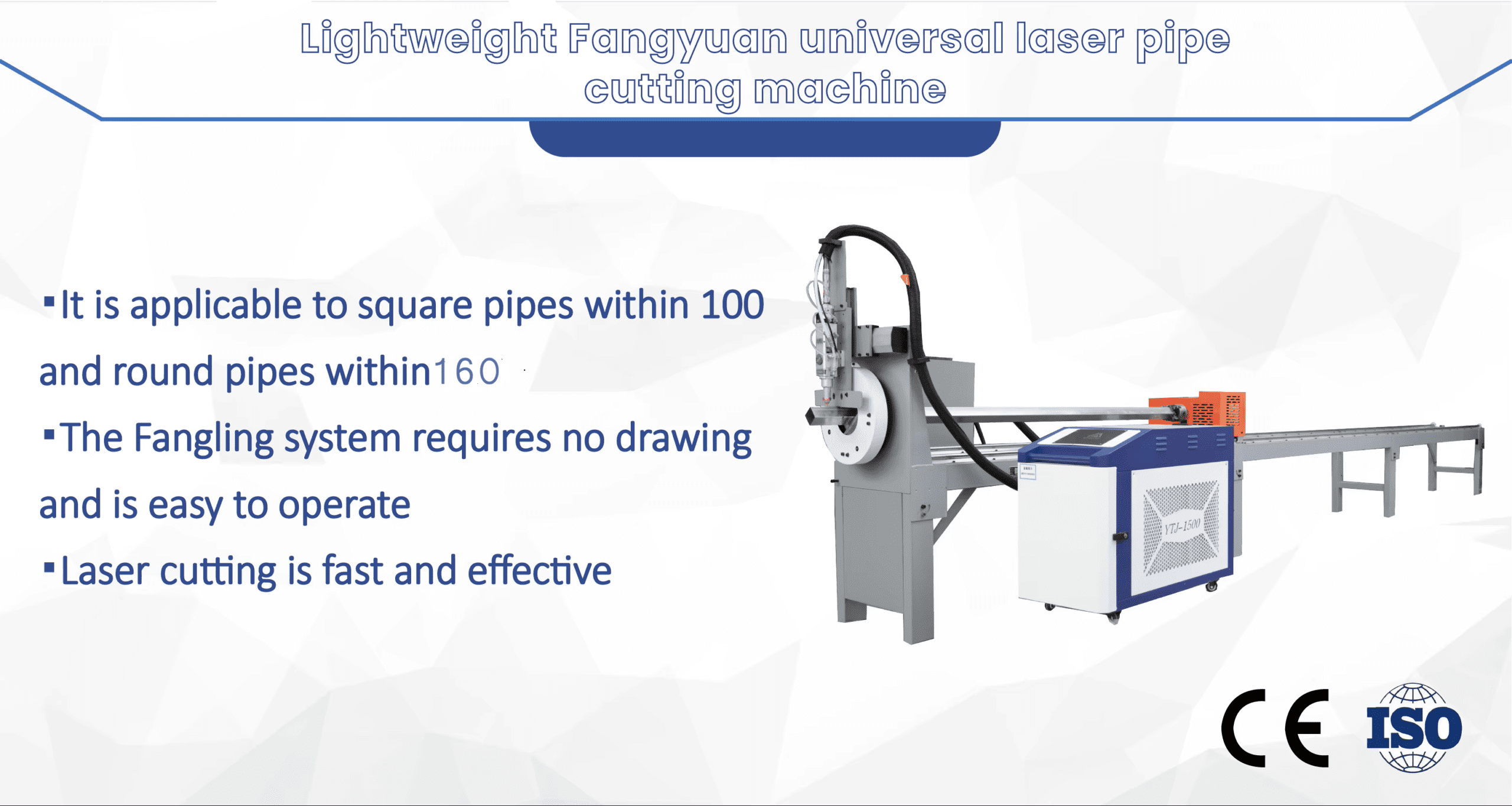
A 3kW fiber laser source represents the “sweet spot” for many medium-to-heavy-duty applications. Unlike CO2 lasers of the past, fiber lasers operate at a wavelength of approximately 1.06 microns, which is more readily absorbed by metals. This high absorption rate is particularly beneficial when laser cutting reflective materials or coated metals like galvanized steel. In the context of Tijuana’s fast-paced “maquiladora” production lines, the 3kW power level provides enough energy to maintain high feed rates on wall thicknesses ranging from 1mm to 6mm, which covers the vast majority of structural and decorative tubing used in North American markets.
The efficiency of a 3kW system is not just about raw power; it is about beam quality. With a low M2 factor, the laser beam can be focused into an incredibly small spot size, resulting in a high energy density. This allows for narrower kerf widths and a reduced Heat Affected Zone (HAZ). For engineers in Tijuana designing complex interlocking tube structures, this precision ensures that parts fit together perfectly without the need for secondary grinding or deburring, significantly reducing the total cost of ownership.
Challenges and Solutions for Galvanized Steel
Galvanized steel presents a unique set of challenges for laser cutting. The material consists of a carbon steel core coated with a layer of zinc to provide corrosion resistance. Zinc has a much lower melting point (approximately 419°C) compared to steel (approximately 1370°C-1500°C). During the laser cutting process, the zinc coating vaporizes before the steel melts, which can create several issues if not managed correctly.
First, the vaporized zinc can interfere with the laser beam and the assist gas flow, potentially leading to instability in the cutting process. Second, the zinc fumes are toxic and require robust filtration systems—an essential consideration for facilities adhering to Mexican environmental regulations (PROFEPA) and worker safety standards (STPS). To mitigate these issues, a 3kW laser must be paired with a high-pressure assist gas system. Using Nitrogen as an assist gas is often preferred for galvanized steel because it “pushes” the molten metal and vaporized zinc out of the cut quickly, preventing the zinc from re-depositing on the edge and ensuring a clean, weld-ready finish.
Optimizing Parameters for the Tijuana Climate
Tijuana’s geographic location brings specific environmental factors that can affect the performance of a 3kW tube laser cutter. The region’s humidity levels and ambient temperatures can fluctuate, impacting the chiller’s efficiency and the stability of the laser source. High-quality 3kW machines are equipped with dual-circuit cooling systems that regulate the temperature of both the laser source and the cutting head. Maintaining a consistent temperature is vital to prevent condensation on the optics, which could lead to catastrophic failure during high-speed laser cutting operations.
Furthermore, the power stability in industrial zones like Otay Mesa or El Florido can sometimes vary. Integrating a high-quality voltage stabilizer and a dedicated grounding system is highly recommended for any 3kW installation. This protects the sensitive CNC electronics and the fiber laser diodes from power surges, ensuring that the machine maintains its precision over thousands of hours of operation.
Advanced Software Integration and Nesting
One of the most significant advantages of modern tube laser cutting is the integration of sophisticated CAD/CAM software. For manufacturers in Tijuana exporting to the U.S. market, speed and material utilization are key competitive factors. 3kW machines typically come with software that allows for “common line cutting” and advanced nesting algorithms. By sharing a single cut line between two parts, the machine reduces the total travel distance and gas consumption.
In the case of galvanized tubing, the software can also manage “lead-ins” and “lead-outs” to minimize the impact of the zinc vaporization at the start of the cut. For complex geometries—such as fish-mouth joints for roll cages or intricate slots for shelving systems—the software automatically calculates the 4-axis or 5-axis movements required to maintain the focal point relative to the tube’s surface. This level of automation allows operators in Tijuana to transition from a 3D model to a finished part in a matter of minutes.
Maintenance Protocols for Longevity
To keep a 3kW tube laser cutter performing at its peak in a high-volume environment, a rigorous maintenance schedule is non-negotiable. The presence of zinc oxide dust from laser cutting galvanized steel is particularly abrasive. The machine’s bellows, linear guides, and rack-and-pinion systems must be cleaned and lubricated regularly to prevent premature wear. Most modern systems feature automated lubrication, but manual inspection remains a best practice.
The protective windows (cover slips) in the cutting head are the most frequently replaced consumables. When cutting galvanized steel, the risk of “back-splash” from the zinc is higher. Operators should be trained to inspect the lens every shift. A dirty lens will not only degrade the cut quality but can also cause the 3kW beam to be absorbed by the debris, leading to a thermal crack in the optic. In Tijuana, where supply chains are tightly integrated with San Diego, sourcing these consumables is relatively easy, but maintaining an on-site inventory is essential to avoid downtime.
Economic Impact and ROI in the Border Region
Investing in a 3kW tube laser cutter offers a rapid Return on Investment (ROI) for Tijuana-based fabricators. Traditional methods of tube processing—including sawing, drilling, and milling—are labor-intensive and prone to human error. A single laser cutting machine can often replace three to four conventional machines. By consolidating these processes into a single CNC operation, companies reduce labor costs and eliminate the need for expensive jigs and fixtures.
Moreover, the ability to process galvanized steel with high precision opens doors to international contracts. The “Made in Mexico” label is increasingly associated with high-tech fabrication. By utilizing 3kW fiber technology, local shops can meet the stringent tolerances required by the American automotive and medical sectors, positioning themselves as vital partners in the North American supply chain. The energy efficiency of fiber lasers—consuming significantly less power than CO2 alternatives—also aligns with the growing trend toward sustainable manufacturing practices in the region.
Conclusion: The Future of Tube Fabrication
The 3kW tube laser cutter is more than just a tool; it is a catalyst for industrial growth in Tijuana. Its ability to handle the complexities of galvanized steel while maintaining the speed and precision required by modern engineering makes it an indispensable asset. As the city continues to solidify its reputation as a manufacturing powerhouse, the adoption of advanced laser cutting technology will be the dividing line between shops that merely survive and those that thrive.
By focusing on proper gas selection, environmental control, and software optimization, fabricators can harness the full potential of their 3kW systems. Whether producing structural components for solar arrays or intricate frames for medical equipment, the fiber laser provides the versatility and reliability needed to succeed in today’s global market. For the engineers and business owners in Tijuana, the message is clear: the future of metal fabrication is light-based, and the 3kW tube laser is leading the way.













