Engineering Guide: High-Precision 2kW Fiber Laser Cutting for the Mexico City Elevator Industry
The industrial landscape of Mexico City (CDMX) and the surrounding Estado de México remains one of the most competitive manufacturing hubs in North America. For elevator factory owners and lead engineers, the demand for high-aesthetic, structurally sound, and dimensionally precise components has never been higher. As urban verticalization accelerates in Santa Fe, Polanco, and Insurgentes, the manufacturing standards for elevator cabins, doors, and structural brackets have shifted toward fiber laser technology.
This guide examines the technical implementation of a 2kW Sheet Metal Fiber Laser, specifically optimized for stainless steel fabrication. We will focus on the mechanical superiority of the plate-welded heavy-duty bed and the metallurgical advantages of high-precision cutting in the context of the Mexican manufacturing environment.
The Foundation of Precision: Plate-Welded Heavy-Duty Bed Engineering
In the realm of high-speed fiber laser cutting, the machine’s frame is not merely a support structure; it is the fundamental determinant of long-term accuracy. For elevator manufacturers working with large-format stainless steel sheets (typically 3000mm x 1500mm or larger), mechanical stability is paramount.
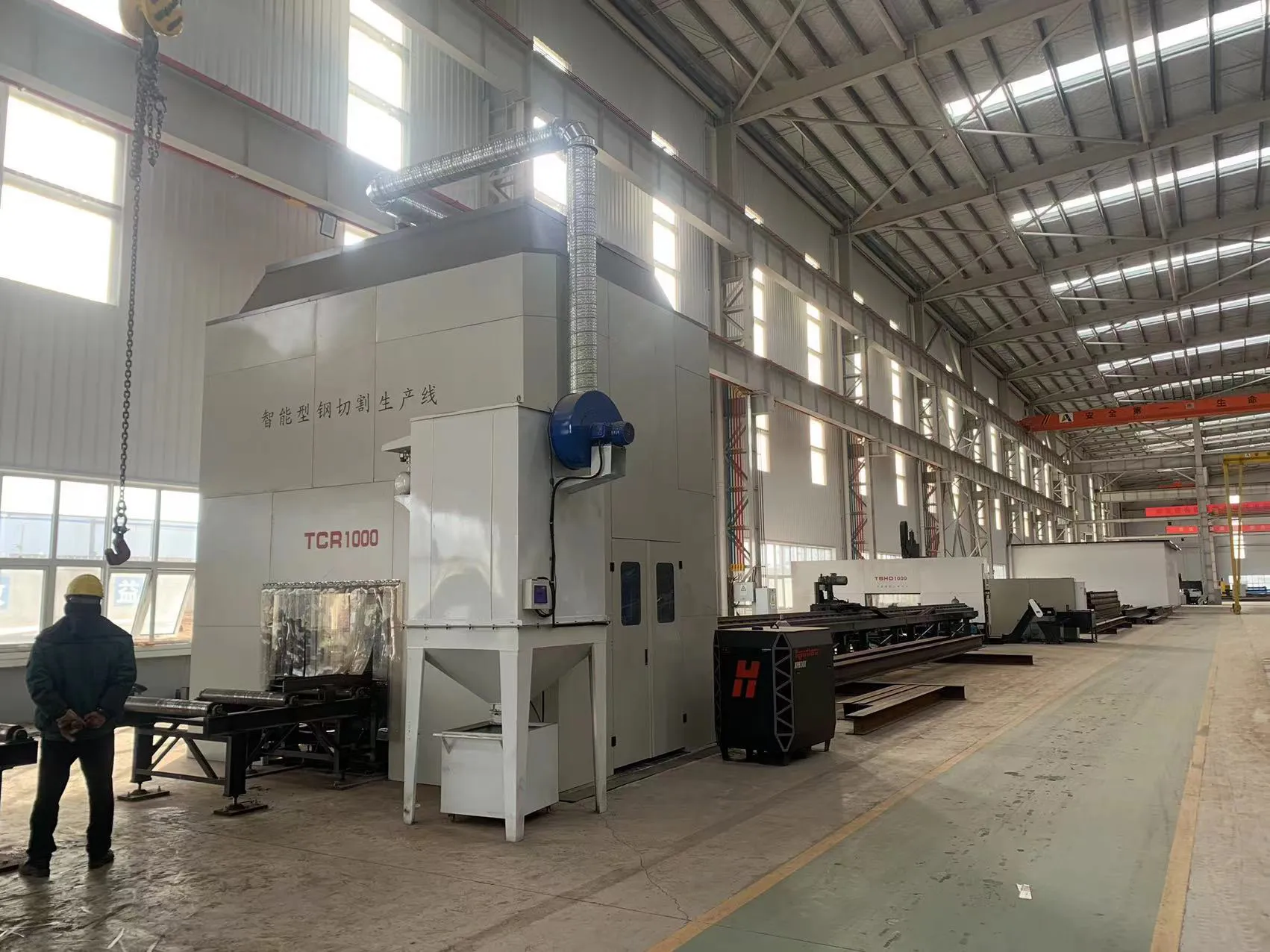
Most entry-level machines utilize a tube-welded frame. However, for a professional 2kW system intended for 24/7 production, a plate-welded heavy-duty bed is the industrial standard. This structure is fabricated from high-tensile strength carbon steel plates, often exceeding 12mm to 16mm in thickness.
The engineering process involves:
1. Stress Relief Annealing: After welding, the entire bed undergoes a high-temperature annealing process in an electric furnace (typically at 600°C). This eliminates internal residual stresses caused by the welding process, ensuring the frame does not warp or deform over a 20-year lifecycle.
2. Vibration Damping: The sheer mass of a plate-welded bed provides superior inertia. In the high-acceleration environment of a 2kW laser (where G-forces can reach 1.2G to 1.5G), the bed absorbs kinetic energy, preventing microscopic oscillations that would otherwise manifest as “chatter” marks on the cut edge of stainless steel panels.
3. Precision Milling: The mounting surfaces for the guide rails and racks are machined using large-scale five-axis CNC gantry milling centers. This ensures parallelism and flatness within a tolerance of ±0.02mm.
For elevator engineers, this translates to perfectly square door frames and seamless cabin panels that require zero manual alignment during assembly.
Optimizing 2kW Power for Stainless Steel Fabrication
The 2kW power rating is considered the “sweet spot” for the elevator industry. While higher power lasers (12kW+) exist, they are often overkill for the typical gauges used in elevator construction, which generally range from 0.8mm to 6.0mm.
Stainless steel (specifically Grades 304 and 316) presents unique thermal conductivity and viscosity challenges. A 2kW fiber laser, paired with a high-quality cutting head (such as Raytools or Precitec), offers the following technical advantages:
1. Nitrogen (N2) High-Pressure Cutting: To maintain the bright, silver edge required for elevator interiors, nitrogen is used as the assist gas. The 2kW beam density is sufficient to melt the material instantly, while the N2 blows the molten metal away before it can oxidize. This results in a burr-free finish that eliminates the need for secondary grinding.
2. Heat-Affected Zone (HAZ) Reduction: The concentrated energy of a 2kW fiber laser minimizes the HAZ. This is critical for mirror-finish stainless steel (No. 8 finish) used in luxury elevator cabins. Excessive heat input can cause “blueing” or warping of thin-gauge panels; the 2kW system maintains the integrity of the protective film and the underlying aesthetic surface.
3. Kerf Consistency: With a beam diameter often smaller than 0.1mm, the 2kW laser allows for intricate decorative patterns in cabin ceilings and control panels, maintaining a level of detail that mechanical punching or plasma cutting cannot replicate.
Technical Considerations for the Mexico City Market
Operating high-precision machinery in Mexico City requires specific engineering considerations due to the region’s unique geography and infrastructure.
Altitude and Atmospheric Pressure: At 2,240 meters above sea level, the atmospheric pressure in CDMX is significantly lower than at sea level. This affects the cooling efficiency of the water chiller units. Engineers must ensure the 2kW system uses an oversized dual-circuit cooling system to maintain the laser source and cutting head at a constant 22°C, preventing thermal drift in the laser frequency.
Power Grid Stability: The industrial electrical grid in areas like Vallejo or Naucalpan can experience voltage fluctuations. A professional 2kW laser installation must include a high-precision industrial voltage stabilizer (±1% regulation). This protects the sensitive IPG or Maxphotonics laser source from spikes that could lead to diode failure.
Seismic Resilience: Given the seismic activity in the Trans-Mexican Volcanic Belt, the plate-welded heavy-duty bed offers an additional advantage. Its lower center of gravity and massive weight make the machine less susceptible to misalignment caused by minor local vibrations or seismic tremors, ensuring the optical path remains calibrated.

Efficiency Metrics for Elevator Production Lines
For a factory owner, the transition to a 2kW fiber laser is a data-driven decision. Let’s look at the comparative throughput for 1.5mm 304 Stainless Steel (a standard elevator door gauge):
– Cutting Speed: A 2kW laser can achieve speeds of 25–35 meters per minute on 1.5mm stainless steel.
– Accuracy: Positioning accuracy of ±0.03mm and repeatability of ±0.02mm.
– Material Utilization: Advanced nesting software (such as CypCut) allows for “common line cutting.” This reduces the gap between parts to the width of the laser beam, often increasing material yield by 10-15% compared to traditional shearing and punching.
In the context of elevator manufacturing, where large quantities of landing doors, car walls, and transom panels are produced, the reduction in scrap material alone can often offset the machine’s monthly operational costs.
The Role of the Cutting Head and Motion Control
The 2kW laser source is the engine, but the cutting head and motion control system are the steering. For stainless steel, an autofocus cutting head is essential.
Autofocus technology allows the machine to automatically adjust the focal point based on the material thickness and the specific batch of steel. Since stainless steel sheets—even from reputable Mexican suppliers—can have slight deviations in flatness, the capacitive sensing of the cutting head maintains a constant distance (standoff) from the plate. This prevents “collisions” and ensures a uniform cut quality across the entire 3-meter sheet.
The motion control system (typically utilizing EtherCAT bus-based control) synchronizes the Yaskawa or Delta servo motors with the laser output. This prevents “over-burning” at corners—a common defect in elevator brackets where structural integrity is vital. By dynamically reducing power as the machine decelerates for a corner and ramping up on the straightaway, the system ensures a perfectly uniform kerf.
Maintenance and Operational Longevity
A professional engineering approach to laser cutting includes a rigorous maintenance protocol. For the Mexico City market, where dust and particulate matter can be high, the 2kW system should be equipped with:
– Positive Pressure Dust Protection: The bellows and the cabinet should be pressurized to prevent metallic dust from settling on the rack and pinion.
– Automatic Lubrication: A centralized system that delivers oil to the linear guides at set intervals, reducing friction and wear on the plate-welded bed’s precision surfaces.
– Modular Laser Source: Choosing a fiber source with a modular design ensures that if one module fails, the machine can often continue operating at reduced power until a replacement arrives, minimizing downtime in a high-demand production environment.
Conclusion: Strategic Investment for CDMX Manufacturers
The integration of a 2kW Sheet Metal Fiber Laser with a plate-welded heavy-duty bed represents a significant technological leap for elevator manufacturers in Mexico. By focusing on the structural rigidity of the machine and the precision of the fiber beam, factories can produce components that meet international safety and aesthetic standards while significantly reducing per-unit costs.
In a market as demanding as Mexico City’s construction sector, the ability to deliver high-precision, burr-free stainless steel components with minimal lead time is the ultimate competitive advantage. For the engineer, it is a tool of unparalleled accuracy; for the owner, it is the foundation of a scalable, modern production facility.













