
The Definitive Guide to 6kW Tube laser cutting for Carbon Steel in Monterrey
Monterrey, Nuevo León, stands as the industrial heart of Mexico, a city where the automotive, aerospace, and construction sectors demand nothing less than peak efficiency and precision. Within this high-stakes manufacturing landscape, the 6kW tube laser cutter has emerged as a cornerstone technology. For fabricators working primarily with carbon steel, upgrading to a 6kW fiber laser system represents more than just a power increase; it is a strategic move to dominate a competitive market. This guide explores the technical nuances, operational advantages, and local considerations for implementing 6kW tube laser cutting technology in the Monterrey region.
The Power of 6kW: Why it is the Industry Standard for Carbon Steel
In the realm of fiber lasers, wattage dictates both the speed of the process and the maximum thickness of the material that can be processed. A 6kW power source is often considered the “sweet spot” for industrial carbon steel applications. While lower power levels (1kW to 3kW) are sufficient for thin-walled tubing, they struggle with the heavy-gauge materials frequently required in Monterrey’s heavy machinery and structural steel sectors.
With 6kW of power, the laser cutting process for carbon steel achieves a high level of thermal stability. This power level allows for the efficient processing of square, round, and rectangular tubes, as well as complex profiles like C-channels and I-beams. For carbon steel, which is highly reactive to the thermal energy of a fiber laser, 6kW provides the necessary intensity to maintain a consistent melt pool, ensuring clean edges and minimal dross even at high feed rates.
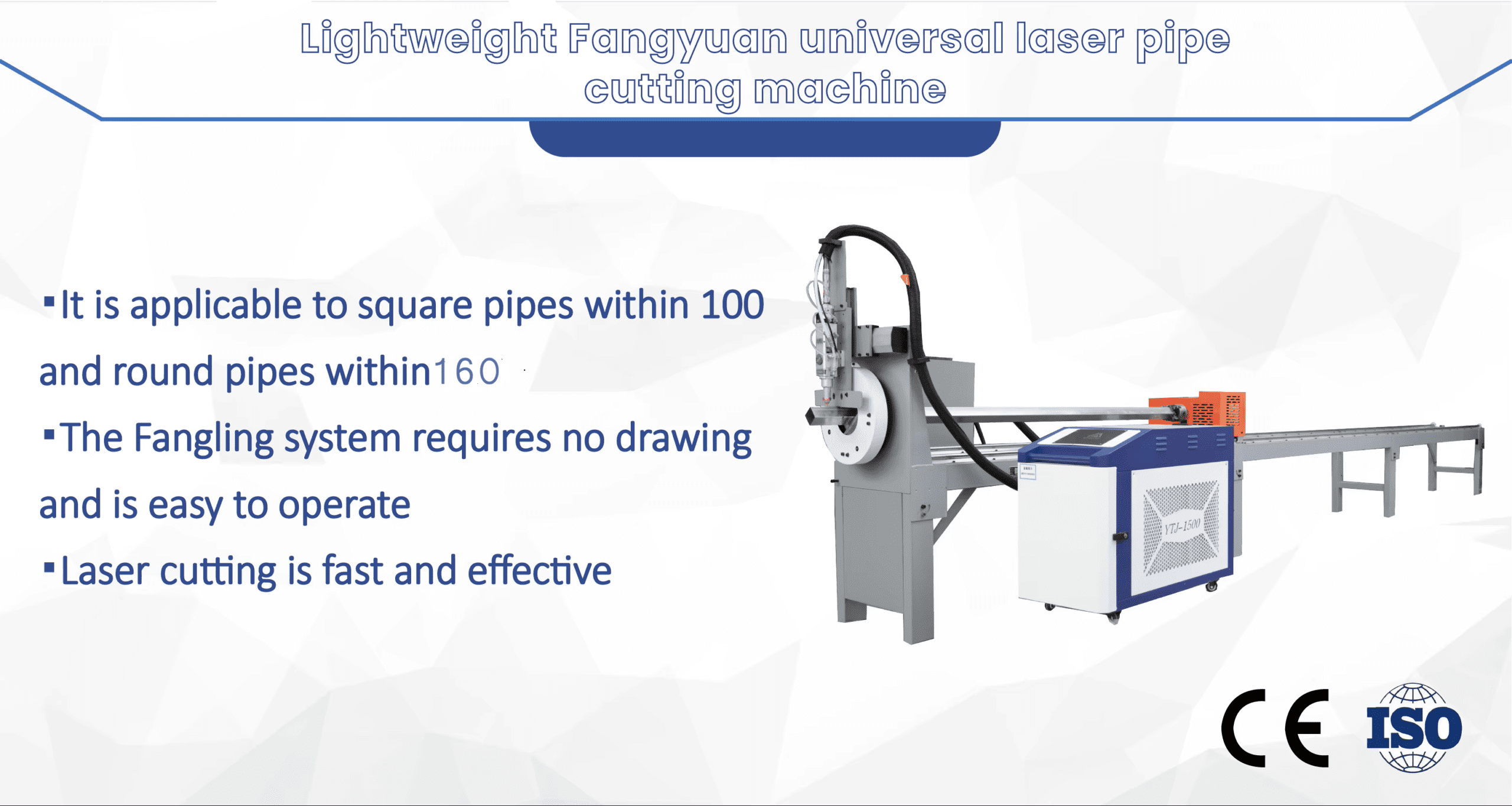 laser cutting machine MAK160″>
Material Specifics: Processing Carbon Steel in the Monterrey Market
Monterrey is home to some of the largest steel producers and distributors in Latin America, including Ternium and AHMSA. Fabricators in the region often work with a variety of carbon steel grades, ranging from standard A36 structural steel to more specialized 1018 or 1020 cold-rolled options. Each grade reacts differently to the laser cutting beam.
The 6kW fiber laser excels at handling the impurities and surface scales often found on hot-rolled carbon steel. In Monterrey’s climate, where humidity can fluctuate, the oxidation layer on stored steel can affect cut quality. The high power density of a 6kW system, combined with advanced piercing technologies, allows the laser to penetrate surface rust or scale without compromising the integrity of the internal cut. This reliability is essential for maintaining the tight production schedules common in the Apodaca and Santa Catarina industrial parks.
Optimizing the Laser Cutting Process: Gas Selection and Pressure
When processing carbon steel with a 6kW tube laser, the choice of assist gas is critical. For most carbon steel applications, oxygen (O2) is the primary choice. The oxygen acts as a chemical catalyst, creating an exothermic reaction that adds heat to the cutting process, allowing for faster speeds on thicker materials. However, this results in an oxidized edge that may require cleaning if the part is to be painted or powder-coated.
Alternatively, high-pressure nitrogen (N2) can be used for “clean cutting” of thinner carbon steel tubes. With 6kW of power, nitrogen laser cutting becomes viable for carbon steel up to 4mm or 6mm, providing a weld-ready edge free of oxidation. In Monterrey’s competitive automotive supply chain, the ability to skip the secondary de-burring or cleaning stage can significantly reduce the cost per part and increase overall throughput.

Technical Advantages of Tube-Specific Laser Systems
Unlike flatbed lasers, a dedicated tube laser cutting machine is engineered to handle the unique geometries of structural profiles. A 6kW system equipped with an automated chuck and loading system can process a 6-meter or 12-meter raw tube into finished components in a single operation. This includes cutting to length, hole patterns, notches, and complex miters for weld preparation.
The precision of the 6kW beam allows for “tab and slot” designs. This engineering technique allows carbon steel tubes to be assembled like a puzzle before welding, eliminating the need for expensive manual jigs and fixtures. In Monterrey’s labor market, where skilled welders are in high demand, reducing the complexity of assembly through high-precision laser cutting is a major competitive advantage.
Precision Engineering and Tolerances
In the engineering-heavy environment of Monterrey, meeting strict tolerances is non-negotiable. A 6kW tube laser offers positioning accuracy often within ±0.03mm. When cutting carbon steel, the beam quality (BPP) of a 6kW fiber source ensures that the kerf width remains narrow and consistent. This is particularly important for structural components that must fit together seamlessly in large-scale construction projects or automotive chassis manufacturing.
Modern 6kW systems also feature “Active Vibration Compensation” and advanced sensing heads. These sensors detect if a tube is slightly bowed or twisted—a common occurrence with carbon steel—and adjust the cutting path in real-time. This ensures that every hole and notch is perfectly centered regardless of the raw material’s imperfections.
Economic Impact and ROI for Monterrey Fabricators
The investment in a 6kW tube laser cutting machine is significant, but the Return on Investment (ROI) in a high-volume hub like Monterrey is often realized within 18 to 24 months. The primary drivers of this ROI are speed and versatility. A 6kW laser can cut carbon steel up to 300% faster than a 2kW system on medium-thickness walls (6mm-10mm).
Furthermore, the 6kW system allows shops to take on a wider range of work. From thin-walled furniture tubing to heavy-duty truck frames, the machine’s versatility ensures it is rarely idle. In the context of “Nearshoring,” where North American companies are moving production to Mexico, having the capacity to handle high-volume, high-precision carbon steel orders positions Monterrey shops as preferred tier-1 and tier-2 suppliers.
Maintenance and Operational Longevity in Industrial Settings
Operating a 6kW fiber laser in an industrial environment like Monterrey requires a robust maintenance strategy. The city’s industrial dust and ambient temperatures necessitate high-quality chilling systems and dust extraction units. Fiber lasers are generally low-maintenance compared to older CO2 technology, as they do not require internal mirrors or gas refills for the resonator.
However, the protective windows and nozzles must be inspected daily. When laser cutting carbon steel with oxygen, the risk of “back-reflection” or “spatter” is higher. Ensuring that the machine is equipped with a high-quality cutting head (such as those from Precitec or Raytools) and using genuine consumables will extend the life of the machine and maintain cut quality over years of multi-shift operation.
Integration with Industry 4.0
Monterrey’s manufacturing sector is rapidly adopting Industry 4.0 standards. A 6kW tube laser cutting machine is a data-rich environment. Modern CNC controllers provide real-time feedback on gas consumption, power usage, and cutting time per part. By integrating this data with ERP systems, Monterrey plant managers can achieve precise job costing and optimize production schedules.
Automation is the next logical step. Many 6kW systems in the region are paired with automatic bundle loaders and unloading conveyors. This allows for “lights-out” manufacturing, where the machine continues to process carbon steel tubes overnight with minimal human intervention. This level of automation is essential for meeting the high-volume demands of the global export market.
Safety Standards and Local Regulations
Safety is paramount when dealing with a Class 4 laser. A 6kW beam is invisible and can cause instantaneous damage. In Mexico, facilities must adhere to NOM (Normas Oficiales Mexicanas) standards regarding workplace safety. A fully enclosed 6kW tube laser cutting system ensures that the operator is protected from reflected radiation and the hazardous fumes generated during the carbon steel oxidation process.
Proper filtration is also a local concern. The smoke generated from laser cutting carbon steel contains fine particulates that must be filtered before the air is exhausted. High-efficiency dust collectors are standard equipment for 6kW machines in Monterrey to comply with environmental regulations and ensure a healthy work environment for the city’s skilled workforce.
Conclusion: The Future of Fabrication in Monterrey
The transition to 6kW tube laser cutting technology is a defining trend for Monterrey’s industrial sector. As the demand for carbon steel components grows in complexity and volume, the speed, precision, and power of the 6kW fiber laser provide the necessary tools for success. By understanding the interplay between material science, machine parameters, and local market dynamics, fabricators can leverage this technology to achieve unprecedented levels of productivity.
Whether you are supporting the booming automotive plants in Ramos Arizpe or providing structural components for Monterrey’s expanding skyline, the 6kW tube laser is the ultimate instrument for modern carbon steel fabrication. Investing in this technology is not just about keeping pace with the industry; it is about setting the standard for what is possible in Mexican manufacturing.
















