
Introduction to 6kW Tube laser cutting in Leon’s Industrial Sector
The industrial landscape of Leon, Guanajuato, has undergone a significant transformation over the last decade. Historically known for its leather and footwear industries, the region has rapidly diversified into automotive manufacturing, aerospace components, and heavy structural engineering. Central to this evolution is the adoption of advanced fiber laser technology. The 6kW tube laser cutter represents the current “gold standard” for medium-to-heavy industrial applications, providing a perfect balance between high-speed throughput and the ability to process thick-walled carbon steel profiles.
In a competitive market like Leon, where precision and lead times dictate contract wins, moving away from traditional mechanical sawing and drilling toward integrated laser cutting systems is no longer optional. A 6kW fiber source offers the power density required to penetrate carbon steel with extreme efficiency, reducing the heat-affected zone (HAZ) and eliminating the need for secondary finishing processes. This guide explores the technical nuances, operational strategies, and economic advantages of deploying 6kW tube laser technology specifically for carbon steel fabrication.
The Technical Advantage of 6kW Fiber Power
The leap from 3kW or 4kW systems to a 6kW power rating is substantial when processing carbon steel. In laser cutting, power translates directly to “cutting pressure” and speed. With 6kW of fiber-delivered energy, the machine can maintain high feed rates even on thicker materials, which is critical for maintaining a stable kerf and preventing slag accumulation.
Beam Quality and Power Density
A 6kW fiber laser produces a beam with a high BPP (Beam Parameter Product). This allows the energy to be focused into a incredibly small spot size. For carbon steel, this concentrated energy facilitates a rapid melt-pool formation. When cutting tubes—which often have varying wall thicknesses or internal weld seams—the 6kW source provides the necessary “over-power” to transition through these inconsistencies without losing cut quality or stalling the CNC trajectory.
Wall Thickness Capabilities
For carbon steel, a 6kW tube laser cutter typically handles wall thicknesses up to 20mm or even 25mm in certain configurations, though its “sweet spot” for maximum efficiency lies between 3mm and 12mm. In Leon’s automotive supply chain, where chassis components and structural supports are frequently manufactured from 4mm to 8mm carbon steel, the 6kW system allows for high-speed “fly-cutting,” significantly reducing the cycle time per part compared to lower-power alternatives.
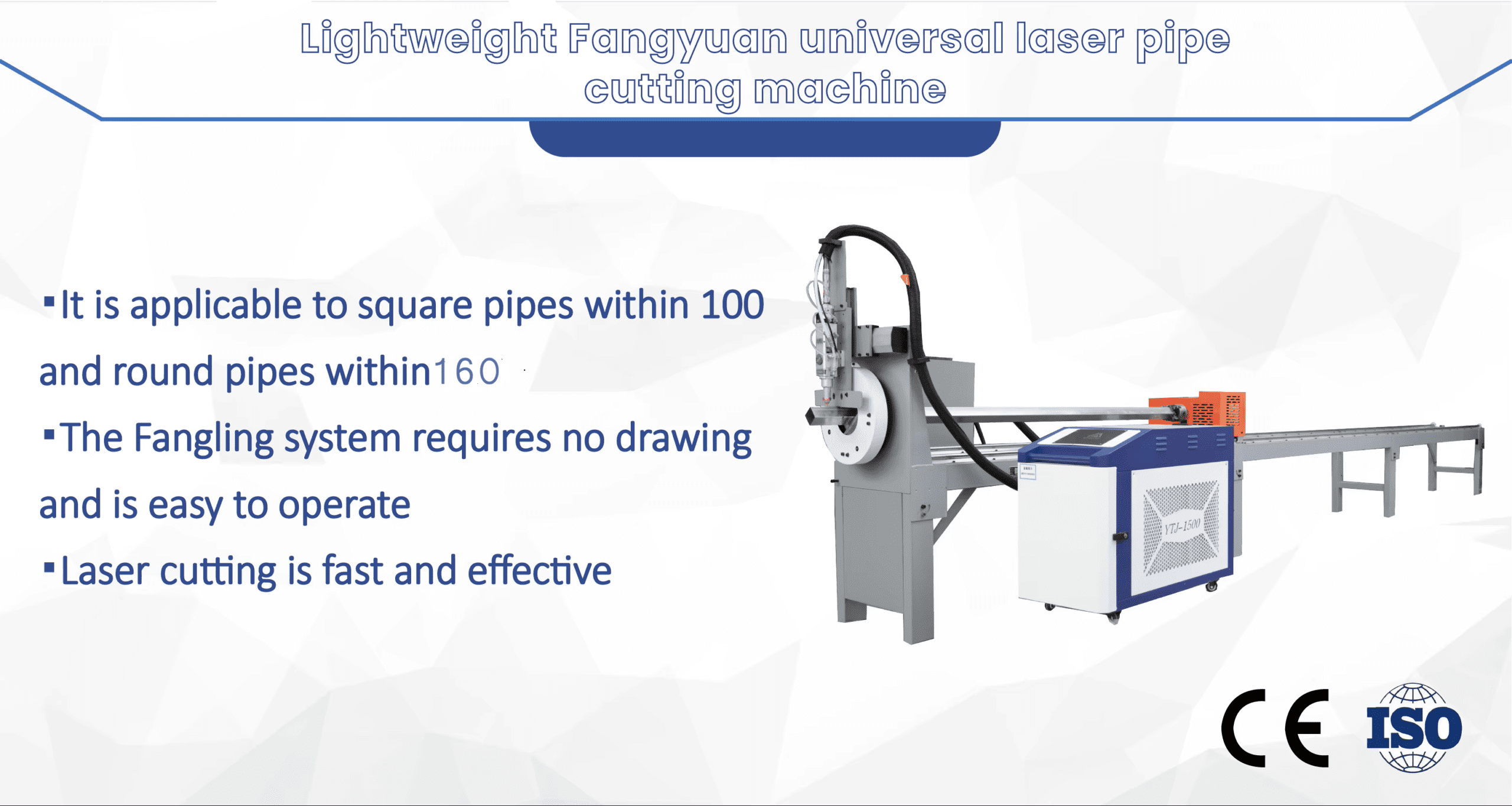 laser cutting machine MAK160″ style=”width:100%; max-width:800px; height:auto; margin: 20px 0;”>
Optimizing Carbon Steel Processing
Carbon steel is the most common material processed in tube laser cutting due to its prevalence in construction and machinery. However, its thermal properties require specific parameters to ensure a clean, burr-free finish. The interaction between the 6kW beam and the carbon content of the steel necessitates precise control over gas dynamics and focal positioning.
Oxygen-Assisted Cutting
When cutting thick carbon steel, oxygen is the primary assist gas. The oxygen reacts exothermically with the iron in the steel, adding thermal energy to the process and allowing for faster cuts in thick sections. However, this creates an oxide layer on the cut edge. For many structural applications in Leon’s construction sector, this oxide layer is acceptable. For automotive parts requiring high-quality welding or painting, manufacturers must decide between post-process cleaning or switching to high-pressure nitrogen cutting.
Nitrogen and Compressed Air Options
With 6kW of power, it becomes feasible to cut thinner carbon steel (up to 6mm) using high-pressure nitrogen or even filtered compressed air. This “fusion cutting” method prevents oxidation, leaving a bright, clean edge that is immediately ready for powder coating or robotic welding. While nitrogen is more expensive than oxygen, the elimination of secondary cleaning often results in a lower total cost per part for Leon-based manufacturers.
Mechanical Architecture: Chucks and Loading
A tube laser is only as good as its workpiece handling. Unlike flat-bed lasers, tube machines must rotate and support long profiles—often 6 to 12 meters in length—while maintaining micron-level precision. For 6kW systems, the mechanical components must be robust enough to handle the rapid acceleration and deceleration made possible by the high-power laser.
Pneumatic vs. Electric Chucks
Modern 6kW machines often utilize high-speed pneumatic or intelligent electric chucks. These components must provide sufficient clamping force to prevent tube slippage during high-speed rotation but also be sensitive enough to avoid crushing thin-walled profiles. In Leon’s agricultural equipment manufacturing, where heavy square and rectangular carbon steel tubing is common, self-centering chucks are vital for ensuring that the laser remains focused on the center-line of the material.
Automatic Loading Systems
To fully realize the ROI of a 6kW source, manual loading is often a bottleneck. Automatic bundle loaders can feed raw carbon steel profiles into the machine continuously. This is particularly beneficial for high-volume production runs, allowing the machine to operate with minimal operator intervention. The integration of “smart” sensors can detect the profile type (round, square, OVAL, or C-channel) and adjust the machine parameters automatically.

Software Integration and Nesting
The efficiency of laser cutting in Leon is heavily dependent on the “brain” of the machine. Advanced CAD/CAM software allows engineers to design complex interlocking joints, such as mortise and tenon or saddle cuts, which simplify the subsequent assembly and welding of carbon steel structures.
Optimizing Material Yield
Carbon steel prices can fluctuate, making material yield a critical KPI. Nesting software for tube lasers calculates the best arrangement of parts along a 6-meter or 9-meter tube to minimize “remnant” or scrap material. Advanced algorithms can even nest parts within the “dead zone” of the chucks, pushing material utilization rates toward 95% or higher.
Industry 4.0 in Leon
Many shops in Leon are now integrating their 6kW tube lasers with ERP systems. This allows for real-time monitoring of gas consumption, power usage, and part counts. In a 6kW system, where the speed of production is high, having real-time data helps managers identify bottlenecks in the “downstream” processes like welding or assembly.
Maintenance and Operational Longevity
Investing in a 6kW tube laser cutter is a significant capital expenditure. Protecting that investment requires a disciplined maintenance regimen, especially when processing carbon steel, which generates significant dust and metallic particulate.
Optical Path and Cutting Head
The cutting head is the most sensitive part of the system. At 6kW, any contamination on the protective window or the internal lenses can lead to rapid thermal damage. Operators in Leon must be trained to perform daily inspections of the optics in a “clean room” environment. Using high-quality consumables—nozzles and ceramics—is also essential for maintaining the beam’s focus and the consistency of the laser cutting process.
Dust Extraction and Filtration
Cutting carbon steel produces a large volume of fine iron oxide dust. A robust dust extraction system with flame-retardant filters is mandatory. This not only protects the machine’s linear guides and electronic components but also ensures a safe working environment for the staff, adhering to Mexican industrial safety standards.
Economic Impact for Leon Manufacturers
The transition to 6kW tube laser cutting offers a compelling economic argument. While the initial investment is higher than traditional methods, the reduction in labor costs is dramatic. A single tube laser can often replace the output of three band saws, two drill presses, and a manual notch-cutting station.
Reducing Lead Times
In the “Just-in-Time” (JIT) manufacturing environment of Leon’s automotive sector, the ability to turn around a prototype or a production batch in hours rather than days is a massive competitive advantage. The 6kW laser’s speed ensures that even complex orders move through the shop floor rapidly.
Expanding Service Offerings
Job shops in Leon that upgrade to 6kW technology can take on heavier structural work that was previously impossible. This allows them to serve the construction industry (beams and pillars) alongside their traditional light-manufacturing clients. The versatility of being able to cut everything from 1mm furniture tubing to 20mm structural carbon steel makes the 6kW machine an incredibly flexible asset.
Conclusion: The Future of Tube Fabrication
As Leon continues to grow as a global manufacturing hub, the reliance on high-precision, high-power laser cutting will only increase. The 6kW tube laser cutter is not just a tool; it is a catalyst for industrial sophistication. By mastering the nuances of carbon steel processing—from gas selection to advanced nesting—local manufacturers can ensure they remain at the forefront of the global supply chain.
Whether you are producing chassis for heavy-duty trucks, frames for industrial machinery, or architectural elements for the city’s expanding infrastructure, the 6kW fiber laser provides the speed, precision, and reliability required to thrive in the modern industrial era. The synergy between high-power fiber sources and the robust mechanical engineering of modern tube cutters represents the pinnacle of current fabrication technology.
















