
The Strategic Implementation of 6kW Fiber laser cutting in Tijuana’s Industrial Sector
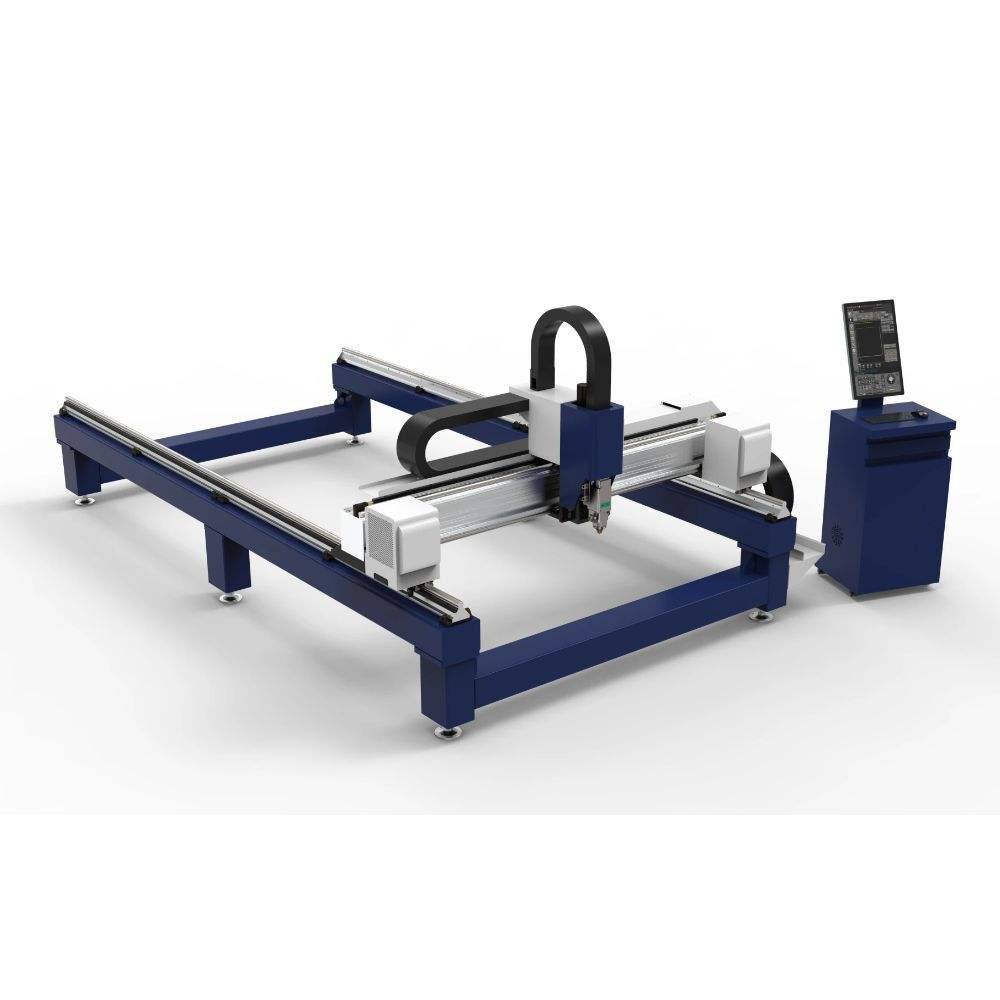
Tijuana has solidified its position as a premier global manufacturing hub, serving as a critical node for the aerospace, medical device, and automotive industries. As the “Maquiladora Capital,” the demand for high-precision fabrication has shifted toward more powerful and efficient technologies. Among these, the 6kW fiber laser cutting system has emerged as the industry standard for processing sheet metal, particularly galvanized steel. This guide explores the technical nuances, operational strategies, and regional considerations for deploying 6kW laser technology in the unique industrial landscape of Tijuana.
The transition from lower-wattage systems to 6kW represents a significant leap in throughput. While 2kW or 3kW systems are capable of handling thin gauges, the 6kW resonator provides the energy density required to maintain high feed rates on thicker materials while drastically reducing the “pierce time.” For Tijuana-based fabricators, this translates to shorter lead times and the ability to compete with international suppliers on both cost and quality.
Understanding the Challenges of Galvanized Steel
Galvanized steel is a staple in the construction and HVAC industries of Baja California due to its corrosion resistance, which is vital in a coastal city like Tijuana. However, it presents unique challenges for laser cutting. The material consists of a carbon steel core coated with a layer of zinc. The primary issue stems from the fact that zinc has a much lower melting and boiling point than the underlying steel.
During the laser cutting process, the zinc coating vaporizes before the steel melts. This vapor can interfere with the laser beam, cause “spitting” of molten material, and lead to an unstable cutting process. Without the correct parameters, the result is often excessive dross (slag) on the underside of the part and a compromised edge that may require secondary finishing. A 6kW system provides the necessary power overhead to overcome these thermal inconsistencies, allowing for a cleaner “blow-through” of the vaporized zinc layer.
Optimizing Cutting Parameters for 6kW Systems
To achieve a burr-free edge on galvanized sheet metal, the 6kW fiber laser must be finely tuned. The following parameters are critical for engineering departments in Tijuana’s industrial parks:
- Assist Gas Selection: For galvanized steel, Nitrogen is the preferred assist gas. High-pressure Nitrogen (typically 14-18 bar) acts as a cooling agent and mechanically flushes the molten material out of the kerf. This prevents the oxidation of the steel edge, ensuring that the part is ready for welding or painting without further treatment. While Oxygen can be used for thicker plates to increase speed via an exothermic reaction, it often results in a charred edge that is unsuitable for high-end applications.
- Nozzle Geometry: A double-layer nozzle is recommended for 6kW applications. This design helps stabilize the gas flow and protects the internal optics from the back-splatter of zinc particles. Nozzle diameters typically range from 1.5mm to 2.5mm depending on the sheet thickness.
- Focus Position: When cutting galvanized steel, the focus is usually set slightly below the surface of the material (negative focus). This ensures that the energy is concentrated in a way that facilitates the rapid expulsion of the zinc-steel mixture.
The Impact of Tijuana’s Environment on Laser Performance
Operating high-precision machinery in Tijuana requires accounting for regional environmental factors. The city’s proximity to the Pacific Ocean introduces a higher saline content in the air, which can be detrimental to sensitive electronic components and optical paths. Furthermore, the industrial power grid in certain sectors of Tijuana can experience fluctuations.
A 6kW laser cutting machine requires a stable power supply and a controlled environment. It is highly recommended that local facilities invest in high-capacity voltage stabilizers and industrial-grade air filtration systems. The saline air can accelerate the degradation of the external components of the laser; therefore, the chiller unit—essential for cooling the 6kW resonator—must be maintained with strict adherence to coolant chemistry to prevent internal corrosion.
Fume Extraction and Safety Protocols
One of the most overlooked aspects of laser cutting galvanized steel is the health hazard posed by zinc oxide fumes. When the laser vaporizes the zinc coating, it produces a fine white powder. Inhaling these fumes can lead to “Metal Fume Fever,” a temporary but debilitating condition. In the context of Tijuana’s strict STPS (Secretaría del Trabajo y Previsión Social) regulations, adequate fume extraction is not just a safety preference but a legal requirement.
A 6kW system generates a higher volume of fumes due to its increased cutting speed. Fabricators must utilize a high-efficiency dust collector with flame-retardant filters. Because the zinc dust is highly reflective and fine, the filtration system must be capable of handling sub-micron particles. Regular cleaning of the extraction ducts is also necessary to prevent the accumulation of dust, which can become a fire hazard if mixed with sparks from the cutting process.
Economic Advantages for the Maquiladora Supply Chain
The integration of 6kW laser technology offers a massive competitive advantage for Tijuana’s contract manufacturers. By utilizing high-power fiber lasers, shops can move away from traditional punching or CO2 laser cutting, which are slower and more expensive to maintain. The efficiency of a 6kW fiber laser allows for “lights-out” manufacturing, where the machine can run unattended during night shifts, maximizing the ROI on the equipment.
Furthermore, the ability to process galvanized steel with high precision allows local shops to serve the renewable energy sector—specifically solar panel racking systems—which is a growing industry in Northern Mexico. The 6kW power level ensures that even the thicker gauges of galvanized structural components can be cut with the same accuracy as thin decorative panels.
Maintenance of 6kW Optics and Consumables
To maintain peak performance, the maintenance schedule for a 6kW laser cutting system must be rigorous. The protective window (cover glass) is the most frequently replaced consumable. When cutting galvanized steel, the “spitting” of zinc can contaminate the cover glass more quickly than when cutting standard cold-rolled steel. If a contaminated glass is not replaced, the 6kW beam will heat the debris, potentially cracking the glass and damaging the expensive collimation or focusing lenses above it.
Operators in Tijuana should be trained to perform hourly inspections of the nozzle and cover glass. Additionally, the centering of the beam through the nozzle must be checked daily. Even a slight misalignment can cause the beam to clip the nozzle, leading to poor cut quality and unnecessary downtime. Given the logistics of the San Diego-Tijuana border, maintaining a local stock of consumables (nozzles, ceramics, and windows) is essential to avoid delays caused by customs processing.
Conclusion: The Future of Fabrication in Baja California
The adoption of 6kW fiber laser cutting technology is a testament to the maturing of Tijuana’s industrial capabilities. By mastering the complexities of galvanized steel—ranging from gas dynamics to environmental protection—local manufacturers are positioning themselves as world-class partners for the global market. The 6kW laser is no longer a luxury; it is the fundamental tool for any facility aiming to achieve the high-speed, high-precision results that modern engineering demands.
As the industry moves toward even higher wattages, the lessons learned from the 6kW platform will serve as the foundation for future growth. For now, the 6kW sheet metal laser remains the “workhorse” of the border region, providing the perfect balance of power, versatility, and economic viability for the diverse needs of Tijuana’s manufacturing landscape.
















