
Introduction to 6kW Laser Technology in Puebla
The industrial landscape of Puebla, Mexico, has undergone a significant transformation over the last decade. As one of the country’s primary hubs for automotive manufacturing and structural engineering, the demand for precision, speed, and cost-effectiveness has never been higher. At the center of this technological evolution is the 6kW fiber laser cutting machine. This specific power rating—6,000 watts—represents a critical “sweet spot” for manufacturers handling sheet metal, particularly when dealing with the complexities of galvanized steel.
In the context of Puebla’s manufacturing corridors, such as those surrounding the Volkswagen and Audi plants, the ability to process high volumes of material with minimal secondary finishing is a competitive necessity. The 6kW fiber laser offers a leap in productivity compared to older CO2 systems or lower-wattage fiber units. It provides the necessary energy density to vaporize metal instantly, resulting in cleaner edges and faster cycle times. For local fabricators, mastering the 6kW system is not just about owning the hardware; it is about understanding the synergy between the fiber optic beam delivery and the specific metallurgical properties of the materials being processed.
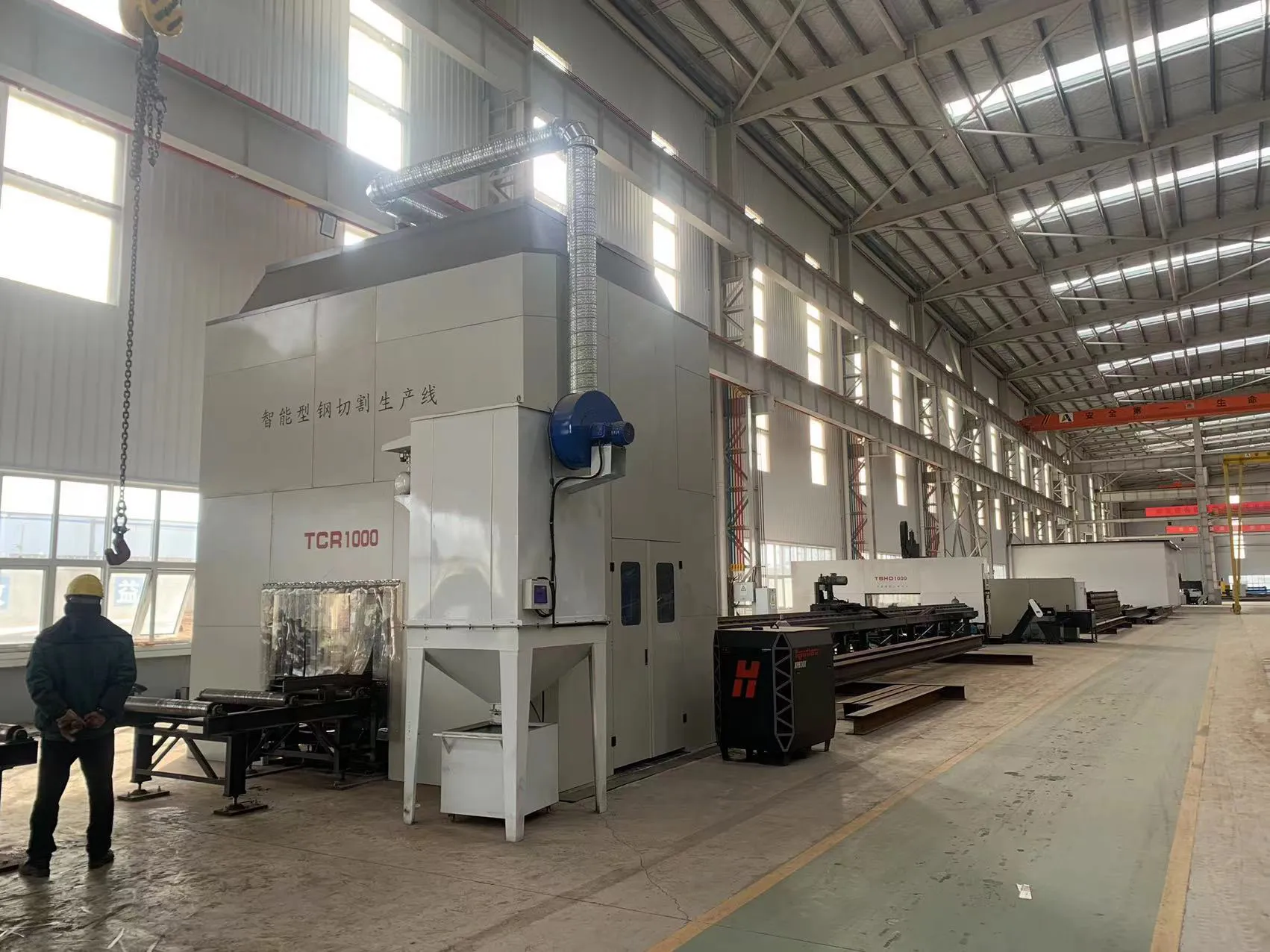
The Evolution of Laser Cutting in Central Mexico
Historically, laser cutting in the region relied heavily on CO2 technology. While effective, these systems required significant maintenance and had high operational costs due to gas consumption and mirror alignments. The shift to fiber technology, specifically at the 6kW level, has revolutionized the local supply chain. Fiber lasers use solid-state diodes to create the beam, which is then delivered through a flexible fiber optic cable. This eliminates the need for complex bellows and mirrors, making the machine more robust and energy-efficient.
In Puebla, where the altitude and climate can affect machine cooling and gas stability, the stability of a 6kW fiber source is particularly advantageous. These machines are designed to operate in demanding industrial environments, providing consistent beam quality over thousands of hours of operation. This reliability is essential for Tier 1 and Tier 2 automotive suppliers who operate on just-in-time (JIT) delivery schedules.
Technical Specifications of the 6kW Fiber Laser
A 6kW laser cutting system is defined by its power density. At 6,000 watts, the laser can cut through carbon steel up to 25mm and stainless steel up to 20mm with ease. However, its most impressive performance is found in the “mid-range” thicknesses—typically between 3mm and 12mm—where the speed increases exponentially compared to 3kW or 4kW systems. The beam produced by a fiber laser has a wavelength of approximately 1.06 microns, which is about ten times shorter than that of a CO2 laser. This shorter wavelength allows for better absorption by metals, especially reflective ones.
Power Density and Material Interaction
The concept of power density is vital for engineers to understand. By focusing 6,000 watts into a spot size as small as 0.1mm, the machine generates immense heat. This heat is concentrated so precisely that the material reaches its vaporization point almost instantly. In the case of galvanized steel, this interaction becomes more complex due to the presence of the zinc coating. A 6kW system provides the “over-power” necessary to pierce through the zinc layer and the underlying steel without causing excessive melting or “dross” on the underside of the sheet.
Processing Galvanized Steel: Engineering Challenges
Galvanized steel is a staple in Puebla’s construction and automotive sectors because of its excellent corrosion resistance. However, for a laser cutting professional, it presents unique challenges. The zinc coating on galvanized steel has a much lower melting point (around 419°C) than the steel substrate (around 1,500°C). When the laser hits the material, the zinc vaporizes before the steel melts, often creating a high-pressure gas pocket that can interfere with the stability of the laser beam and the assist gas flow.

Managing the Zinc Layer
The primary issue when laser cutting galvanized steel is the “popping” or “spitting” effect caused by the vaporizing zinc. If the parameters are not correctly tuned, the vaporized zinc can blow back into the laser nozzle, contaminating the protective window and leading to expensive downtime. With a 6kW system, the high power allows for faster travel speeds, which reduces the amount of time the heat is applied to any single point, thereby minimizing the amount of zinc that is vaporized in an uncontrolled manner. This results in a much more stable cutting process and a cleaner edge profile.
Optimizing Parameters for Galvanized Sheets
To achieve high-quality results in Puebla’s fabrication shops, engineers must fine-tune several variables: nozzle type, focal position, and gas pressure. For galvanized steel, a double-nozzle configuration is often preferred. This design helps to stabilize the assist gas flow, ensuring that the vaporized zinc is pushed away from the cut zone effectively. Furthermore, the focal point is usually set slightly below the surface of the material to ensure the energy is concentrated where it is needed most to clear the kerf.
Assist Gas Selection: Nitrogen vs. Oxygen
The choice of assist gas is the most critical decision when laser cutting galvanized steel. Nitrogen is the industry standard for high-quality finishes. Because Nitrogen is an inert gas, it does not react with the molten metal. Instead, it uses purely mechanical force to blow the melt out of the kerf. This prevents oxidation of the edges, which is crucial if the parts are to be welded or painted later. In Puebla’s automotive sector, where weld integrity is non-negotiable, Nitrogen-cut edges are mandatory.
Oxygen, on the other hand, can be used for thicker galvanized plates. Oxygen reacts with the iron in the steel to create an exothermic reaction, adding more heat to the process and allowing for faster cutting of thick sections. However, this comes at a cost: the edge will be oxidized (blackened) and the zinc coating near the cut will be burned away more extensively, reducing the part’s corrosion resistance. For most 6kW applications involving galvanized sheet metal, Nitrogen is the superior choice for maintaining the material’s structural and chemical integrity.
The Puebla Industrial Advantage
Puebla’s strategic location makes it a magnet for industrial investment. The presence of the “Autopista México-Puebla” facilitates the movement of raw materials and finished goods. For a local shop, investing in a 6kW laser cutting machine offers a significant competitive advantage. It allows them to take on contracts that require high precision and fast turnaround times—requirements that are standard in the aerospace and automotive industries located in the region.
Applications in the Automotive and Construction Sectors
In the automotive sector, 6kW lasers are used to cut structural components, brackets, and interior reinforcements from galvanized high-strength steel. The precision of the laser cutting process ensures that these parts meet the tight tolerances required for automated assembly lines. In the construction sector, galvanized steel is used for HVAC ducting, roofing systems, and heavy-duty shelving. The 6kW laser’s ability to process these materials rapidly means that local manufacturers can fulfill large-scale infrastructure orders with shorter lead times than competitors using traditional mechanical shearing or lower-power lasers.
Maintenance and Operational Longevity
Maintaining a 6kW laser in the Puebla environment requires a disciplined approach to preventative maintenance. Given the high power involved, the optical components are under constant thermal stress. Regular cleaning of the protective windows and monitoring the chiller system’s performance are essential. The chiller is particularly important; a 6kW fiber laser generates significant heat within the resonator and the cutting head. In the warmer months in Puebla, ensuring the cooling system is descaled and the coolant levels are optimal is the difference between continuous production and an unexpected shutdown.
Furthermore, fume extraction is a critical safety and maintenance concern when cutting galvanized steel. The vaporization of zinc produces zinc oxide fumes, which are toxic if inhaled and can coat the internal components of the machine. A high-capacity dust collector with specialized filters is necessary to maintain a safe working environment and to protect the machine’s precision motion components from abrasive dust.
Conclusion
The integration of 6kW laser cutting technology into Puebla’s manufacturing sector represents a significant step forward in industrial capability. By specifically addressing the challenges of galvanized steel—through optimized gas selection, precise parameter control, and robust maintenance protocols—local fabricators can achieve world-class production standards. As the region continues to grow as a global manufacturing powerhouse, the 6kW fiber laser will remain a foundational tool for engineers striving for excellence in sheet metal fabrication. Whether it is for the next generation of electric vehicles or the expansion of Mexico’s infrastructure, the precision and power of the 6kW laser are driving the future of Puebla’s industry.
















