
Introduction to 6kW laser cutting in Monterrey’s Industrial Sector
Monterrey, Nuevo León, has long been recognized as the industrial heart of Mexico. As the “Sultan of the North,” the city serves as a critical hub for the automotive, HVAC, and appliance manufacturing sectors. Within this high-output environment, the demand for precision and speed has driven a significant shift toward fiber technology. Specifically, the 6kW sheet metal laser has emerged as the gold standard for mid-to-high thickness processing. When handling galvanized steel—a material ubiquitous in Monterrey’s construction and appliance industries—the 6kW power level provides the necessary energy density to overcome the unique metallurgical challenges posed by zinc coatings.
The implementation of laser cutting technology in Monterrey is not merely a matter of upgrading machinery; it is a strategic necessity to remain competitive in a globalized supply chain. With the proximity to the United States and the influx of “nearshoring” investments, local fabricators are under pressure to deliver tighter tolerances and faster turnaround times. A 6kW fiber laser offers the versatility to handle thin-gauge galvanized sheets used in ductwork at incredible speeds, while maintaining the capacity to cut through thicker structural plates when required.
The Strategic Advantage of 6kW Fiber Lasers
In the hierarchy of fiber laser power, 6kW represents a “sweet spot” for many Monterrey-based workshops. While 3kW systems are efficient for thin materials and 12kW+ systems are designed for heavy-plate industrial applications, the 6kW system offers a balanced ROI. For galvanized steel, which typically ranges from 0.5mm to 4.0mm in most local applications, the 6kW source allows for high-speed Nitrogen-assisted cutting. This prevents the oxidation of the edges and maintains the integrity of the zinc protection as close to the cut line as possible.
Furthermore, the beam quality of a 6kW fiber laser ensures a small heat-affected zone (HAZ). In Monterrey’s competitive landscape, where Tier 1 and Tier 2 suppliers provide components for companies like Tesla, Carrier, and Kia, minimizing thermal distortion is critical. The high power density allows the laser to vaporize the metal so quickly that heat does not have time to dissipate into the surrounding material, ensuring that the galvanized coating remains intact and functional against corrosion.
Technical Dynamics of Cutting Galvanized Steel
Galvanized steel presents a specific set of challenges for laser cutting. The material is essentially carbon steel coated with a layer of zinc to prevent rust. However, zinc has a much lower melting point (approximately 419°C) and boiling point (907°C) than the underlying steel (approx. 1500°C). During the cutting process, the zinc coating vaporizes before the steel melts, creating high-pressure gas that can interfere with the stability of the laser beam and the assist gas flow.
Managing the Zinc Coating Challenge
When the laser hits the surface, the vaporized zinc can create a “blowback” effect. This vapor can contaminate the protective window of the laser head, leading to thermal lensing or even permanent damage to the optics. In a 6kW system, the increased power allows for faster travel speeds, which actually helps mitigate this issue by reducing the time the laser dwells on any single point. However, proper nozzle selection and gas pressure are paramount. Using a “cool nozzle” or a double-layered nozzle design helps create a stable gas curtain that pushes the zinc vapors away from the optics.
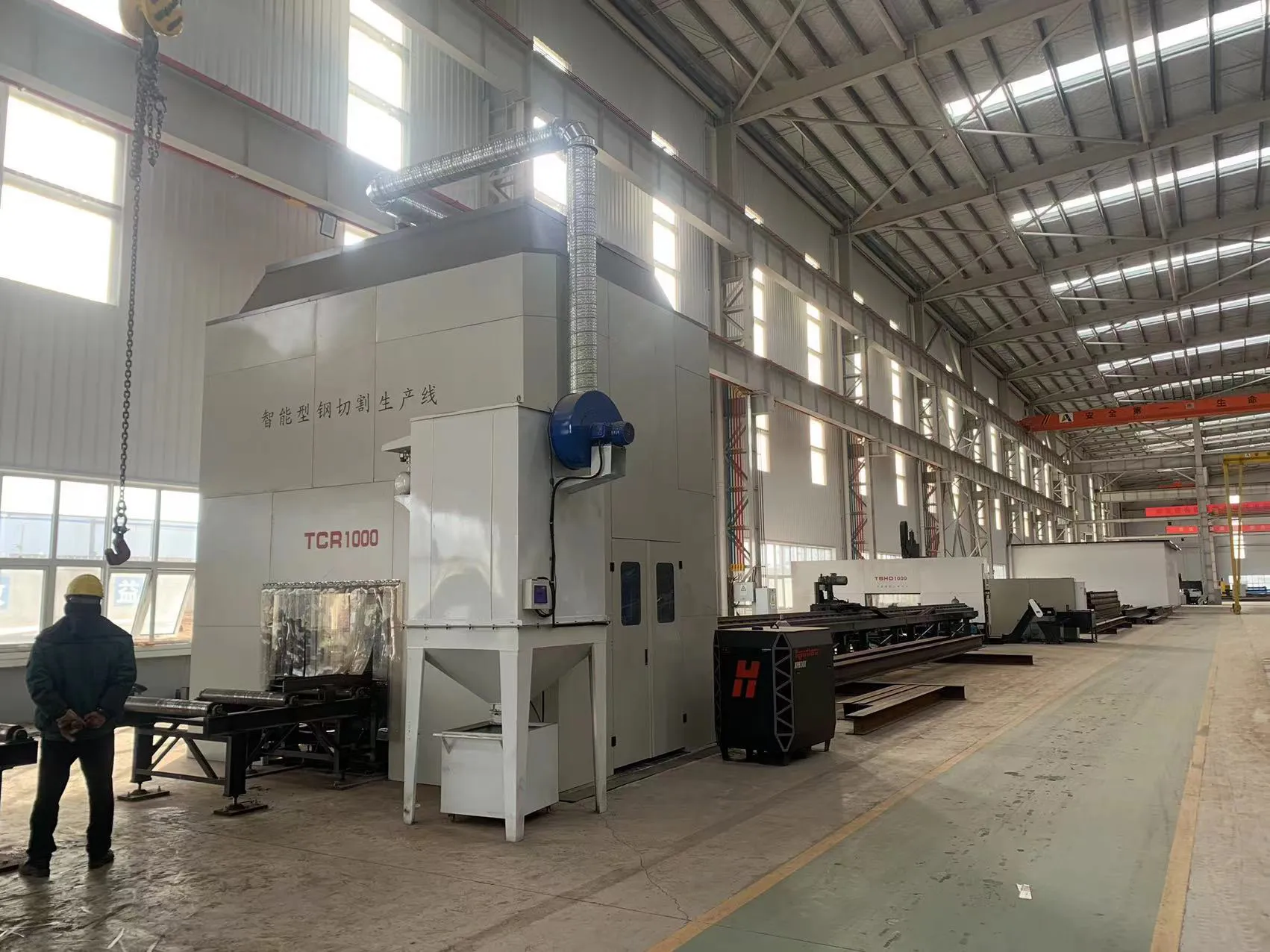
Gas Selection: Nitrogen vs. Oxygen
The choice of assist gas is the most critical factor when laser cutting galvanized steel in Monterrey’s industrial plants. Oxygen is often used for thicker mild steel to take advantage of the exothermic reaction, which adds heat to the cut. However, with galvanized steel, oxygen can lead to excessive dross and a charred edge that requires secondary cleaning. For the high-quality finish demanded by the Monterrey export market, Nitrogen is the preferred choice.
Nitrogen acts as a shielding gas, preventing combustion and blowing the molten metal out of the kerf to leave a clean, silver-bright edge. While Nitrogen requires higher pressures (often exceeding 15-20 bar) and therefore higher operational costs, the 6kW power source compensates by allowing for higher feed rates, which reduces the gas consumption per meter of cut. This “high-pressure Nitrogen cutting” technique is essential for parts that will be powder-coated or welded later in the production line, as it ensures the paint adheres correctly to the edge.
Operational Excellence in Monterrey’s Climate
Operating a 6kW fiber laser in Monterrey requires consideration of the local environment. The region is known for extreme temperature fluctuations, ranging from freezing winters to summer days exceeding 40°C. Additionally, the industrial areas of Santa Catarina, Apodaca, and Guadalupe can have high levels of airborne particulates. For a laser cutting system to maintain 99% uptime, the facility must address these environmental variables.
Thermal Management and Chillers
A 6kW fiber laser generates significant heat within the resonator and the cutting head. The chiller unit is the unsung hero of the operation. In Monterrey’s summer heat, a standard chiller might struggle. High-performance, dual-circuit chillers are required to maintain a constant temperature for both the laser source and the optical components. If the temperature fluctuates, the beam mode can shift, leading to inconsistent cut quality and potential “striations” on the surface of the galvanized steel.

Dust Extraction and Air Quality
The vaporization of zinc during laser cutting produces fine white dust (zinc oxide) which is both a health hazard and a mechanical nuisance. A robust dust extraction and filtration system is non-negotiable. In Monterrey’s industrial parks, where environmental regulations are increasingly aligned with international standards (such as ISO 14001), ensuring that the fumes are filtered before being exhausted is a legal and ethical requirement. Furthermore, keeping the internal cabin of the laser clean prevents the accumulation of conductive dust on electronic components, which is a common cause of failure in high-humidity periods.
Economic Impact and ROI for Local Fabricators
The investment in a 6kW laser cutting machine is significant, but the ROI for Monterrey fabricators is driven by throughput. In the HVAC industry, for example, the ability to cut galvanized sheets for industrial chillers or air handling units at 40-60 meters per minute allows a single machine to replace multiple older CO2 lasers or mechanical punches. The reduction in secondary processes—such as deburring or edge cleaning—further improves the bottom line.
Optimizing Lead Times for the Automotive and HVAC Supply Chains
Monterrey’s proximity to the US border means that many local shops are part of “Just-In-Time” (JIT) supply chains. A 6kW laser provides the agility to switch between materials and thicknesses with minimal setup time. Integrated nesting software can optimize the layout of galvanized parts, reducing scrap rates in a market where material costs for steel fluctuate significantly. By maximizing material utilization and minimizing cycle times, Monterrey-based companies can offer pricing that is competitive with overseas manufacturers while providing the advantage of geographical proximity.
Maintenance Protocols for High-Power Systems
To sustain the precision of laser cutting over years of operation, a rigorous maintenance schedule is required. For 6kW systems, the focus is on the “optical path.” Even though fiber lasers have a closed beam path, the external optics (the protective window and the focus lens) are exposed to the harsh environment of the cutting cabin. Regular inspection of these components prevents “thermal runaway,” where a small speck of dust absorbs laser energy, heats up, and cracks the lens.
In Monterrey, where power grid stability can occasionally be an issue during peak summer demand, the use of industrial-grade voltage regulators and UPS systems is highly recommended. A sudden drop in voltage can crash the CNC controller or, worse, damage the fiber laser diodes. Protecting the electronic heart of the machine is as important as maintaining the mechanical rails and gears.
Conclusion
The 6kW sheet metal laser represents a transformative technology for Monterrey’s industrial landscape. By mastering the nuances of laser cutting galvanized steel—from managing zinc vaporization to optimizing Nitrogen flow—local manufacturers can produce world-class components that meet the rigorous standards of the global market. As Monterrey continues to grow as a premier manufacturing destination, the integration of high-power fiber lasers will remain a cornerstone of its industrial evolution, providing the speed, precision, and reliability necessary to lead the North American fabrication industry.




























