
Optimization of 6kW Fiber laser cutting for Aluminum Alloys in Mexico City
The industrial landscape of Mexico City (CDMX) and its surrounding metropolitan areas, such as Naucalpan and Tlalnepantla, has seen a significant shift toward high-power fiber laser technology. Among the various power configurations available, the 6kW fiber laser has emerged as the industry standard for processing aluminum alloys. This power level offers a precise balance between capital investment and operational throughput, particularly for the automotive and aerospace sectors that dominate the regional economy. However, laser cutting aluminum presents unique challenges due to the material’s high thermal conductivity and reflectivity, further complicated by the specific atmospheric conditions of Mexico City.
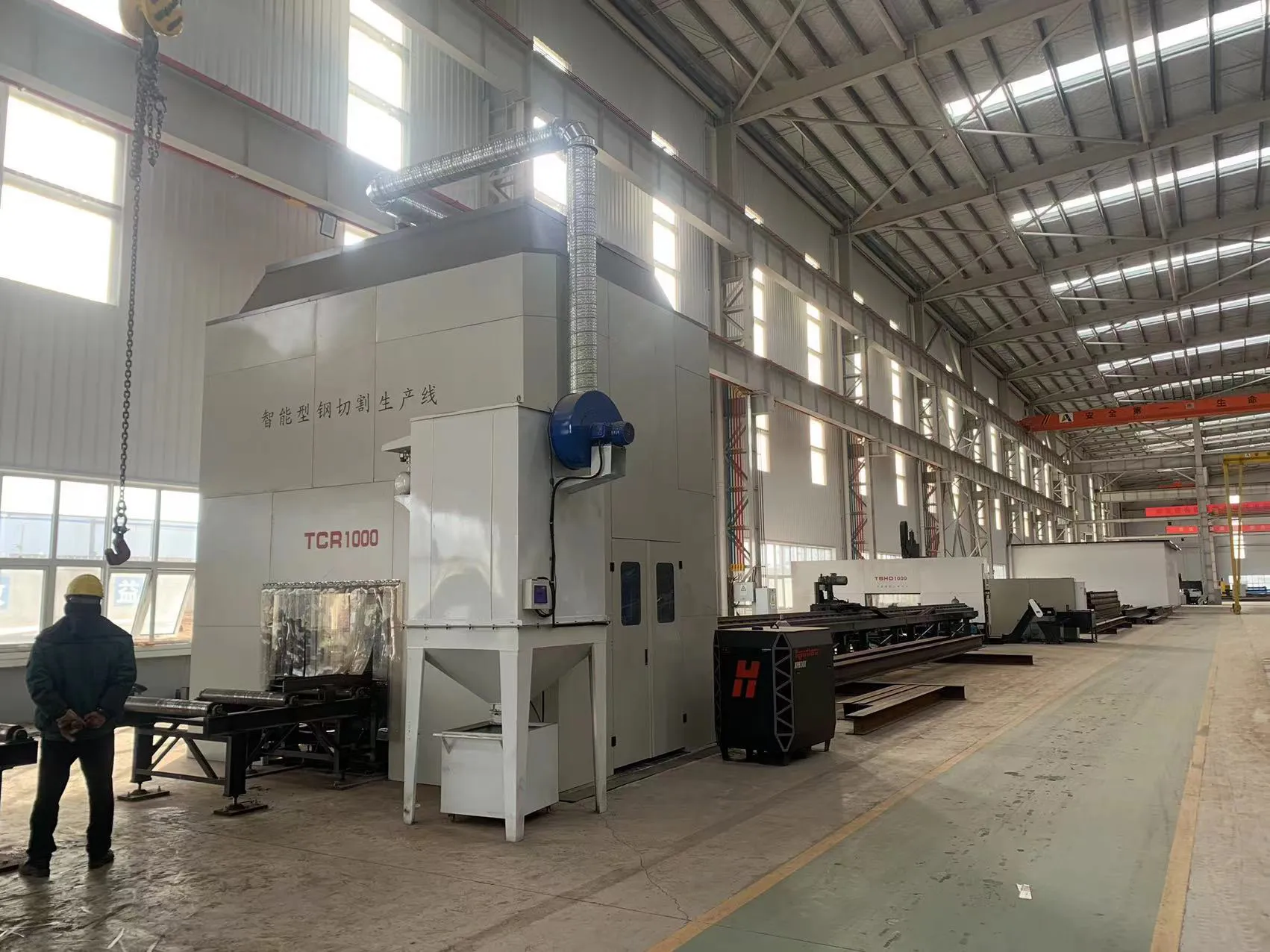 laser cutting machine” style=”width: 100%; max-width: 800px; height: auto; margin: 20px 0;”>
Understanding the 6kW Power Dynamics
A 6kW fiber laser source provides a power density capable of vaporizing aluminum alloys with high efficiency. Unlike lower-wattage systems, a 6kW unit can maintain high feed rates on medium-thickness plates (6mm to 12mm) while still providing the capacity to cut up to 25mm in specialized applications. The 1.06-micron wavelength of fiber lasers is more readily absorbed by aluminum compared to the 10.6-micron wavelength of legacy CO2 lasers, making the 6kW fiber system the superior choice for modern fabrication shops in Mexico.
The “sweet spot” for a 6kW system is often found in the 3mm to 10mm range. At these thicknesses, the laser can achieve cutting speeds that significantly reduce the cost per part. For engineering firms in Mexico City, where electricity costs and labor efficiency are critical KPIs, the high-speed capability of the 6kW source ensures a competitive edge in the local market.
The Impact of Mexico City’s Altitude on Laser Cutting
Operating a 6kW laser at an elevation of 2,240 meters (7,350 feet) above sea level introduces variables that are often overlooked in standard operating manuals. The lower atmospheric pressure in Mexico City affects the behavior of assist gases and the efficiency of cooling systems.
Firstly, the air density is approximately 20-25% lower than at sea level. This impacts the cooling capacity of the laser’s chiller units. Engineers must ensure that chillers are rated for high-altitude operation or are slightly oversized to compensate for the reduced heat exchange efficiency. Overheating the laser source or the cutting head can lead to beam instability and permanent damage to the optical components.
Secondly, the dynamics of the assist gas jet are altered. Whether using Nitrogen or Oxygen, the lower ambient pressure can influence the laminar flow of the gas as it exits the nozzle. This requires precise calibration of the gas pressure and nozzle distance to ensure that the molten aluminum is effectively ejected from the kerf without causing excessive dross or “burr” on the underside of the sheet.
Material Science: Processing Aluminum Alloys
Aluminum alloys, such as the 5000 series (marine grade) and 6000 series (structural grade), are common in Mexican manufacturing. Each grade reacts differently to laser cutting. Aluminum 5052, for instance, cuts relatively cleanly due to its magnesium content, whereas 6061 can be more temperamental due to its silicon and magnesium composition, which affects its melting point and fluid dynamics.
The primary challenge with aluminum is its reflectivity. In the initial stage of the cut, the material acts as a mirror, potentially reflecting the laser beam back into the delivery fiber. Modern 6kW systems are equipped with “back-reflection” protection, but the operator must still utilize optimized piercing cycles. Using a “ramped” pierce, where power increases gradually, helps create a non-reflective molten pool quickly, protecting the 6kW oscillator from damage.

Technical Parameters for 6kW Aluminum Processing
To achieve a high-quality edge on aluminum, several parameters must be synchronized. For a 6kW system, the following engineering guidelines are typically applied:
- Focal Position: Unlike carbon steel, where the focus is often on the surface, aluminum usually requires a negative focus (below the material surface). This helps in distributing the energy through the thickness of the plate, ensuring a wider kerf that allows for easier melt ejection.
- Assist Gas Pressure: Nitrogen is the preferred gas for aluminum to prevent oxidation. For a 6mm plate, pressures between 14 and 18 bar are common. The purity of the Nitrogen should be at least 99.99% to maintain a bright, silver edge finish.
- Nozzle Selection: Double-layered nozzles or high-flow conical nozzles are recommended. The nozzle diameter (typically 2.0mm to 3.0mm for 6kW) must be matched to the material thickness to maintain gas column stability.
- Frequency and Duty Cycle: When cutting intricate geometries or sharp corners, reducing the frequency (Hz) and duty cycle prevents “over-burning” caused by the high thermal conductivity of the aluminum.
Assist Gas Strategies in the Mexican Market
In Mexico City, the cost of industrial gases can be a significant portion of operational expenses. While Nitrogen provides the best aesthetic results, many shops are moving toward high-pressure compressed air laser cutting for aluminum. A 6kW laser has sufficient power to overcome the slight inefficiencies of air cutting.
Using compressed air (filtered and dried to -40°C dew point) can reduce gas costs by up to 90%. However, the resulting edge will have a slight oxide layer, which may require secondary processing if the part is to be welded or painted. For structural components used in the construction industry in Santa Fe or Interlomas, this is often an acceptable trade-off for the increased speed and lower cost.
Maintenance and Optical Integrity
The high-power density of a 6kW laser means that even the smallest speck of dust on a protective window can lead to “thermal lensing” or catastrophic failure of the cutting head. In the dusty environments of some CDMX industrial zones, maintaining a clean-room environment for the laser head is impossible, so the internal filtration and positive pressure systems of the machine must be strictly maintained.
Aluminum cutting produces a very fine, abrasive dust (aluminum oxide). If not properly extracted, this dust can settle on the linear guides and rack-and-pinion systems of the machine, leading to premature wear. A high-capacity dust collector with explosion-proof features is mandatory, as aluminum dust in high concentrations is highly combustible.
Economic Advantages for CDMX Fabricators
The implementation of 6kW laser cutting technology allows Mexican manufacturers to compete on a global scale. The ability to process aluminum rapidly is essential for the “Nearshoring” trend, where North American companies move production from Asia to Mexico. By utilizing 6kW systems, local shops can meet the tight tolerances and high-volume demands of the US automotive market.
Furthermore, the 6kW power level is versatile enough to handle the transition from thin-gauge aluminum used in signage and electronics to the thicker plates used in heavy machinery and transport trailers. This versatility ensures that the machine remains profitable across a wide range of contract manufacturing jobs.
Safety Protocols and Engineering Standards
Safety is paramount when operating high-power lasers. A 6kW beam is invisible and can cause permanent blindness or severe burns instantaneously. The machine must be fully enclosed (Class 1 laser safety rating) with certified laser-safe glass windows. In Mexico, adherence to NOM (Normas Oficiales Mexicanas) standards regarding electrical safety and industrial hygiene is required.
Operators should be trained specifically in the handling of aluminum. This includes understanding the risks of hydrogen buildup during the cutting process (if using a water table) and the importance of maintaining the fume extraction system to prevent the inhalation of metallic particles.
Conclusion
The 6kW fiber laser represents a pinnacle of efficiency for aluminum alloy fabrication in Mexico City. By understanding the interplay between high-power laser physics, the unique metallurgical properties of aluminum, and the environmental challenges of high-altitude operation, engineers can maximize the potential of their equipment. As the industrial sector in Mexico continues to evolve, the precision and speed of laser cutting will remain the cornerstone of high-quality aluminum manufacturing, driving innovation and economic growth in the heart of the country.
















