
The Strategic Advantage of 6kW Precision Laser Systems in Guadalajara’s Industrial Landscape
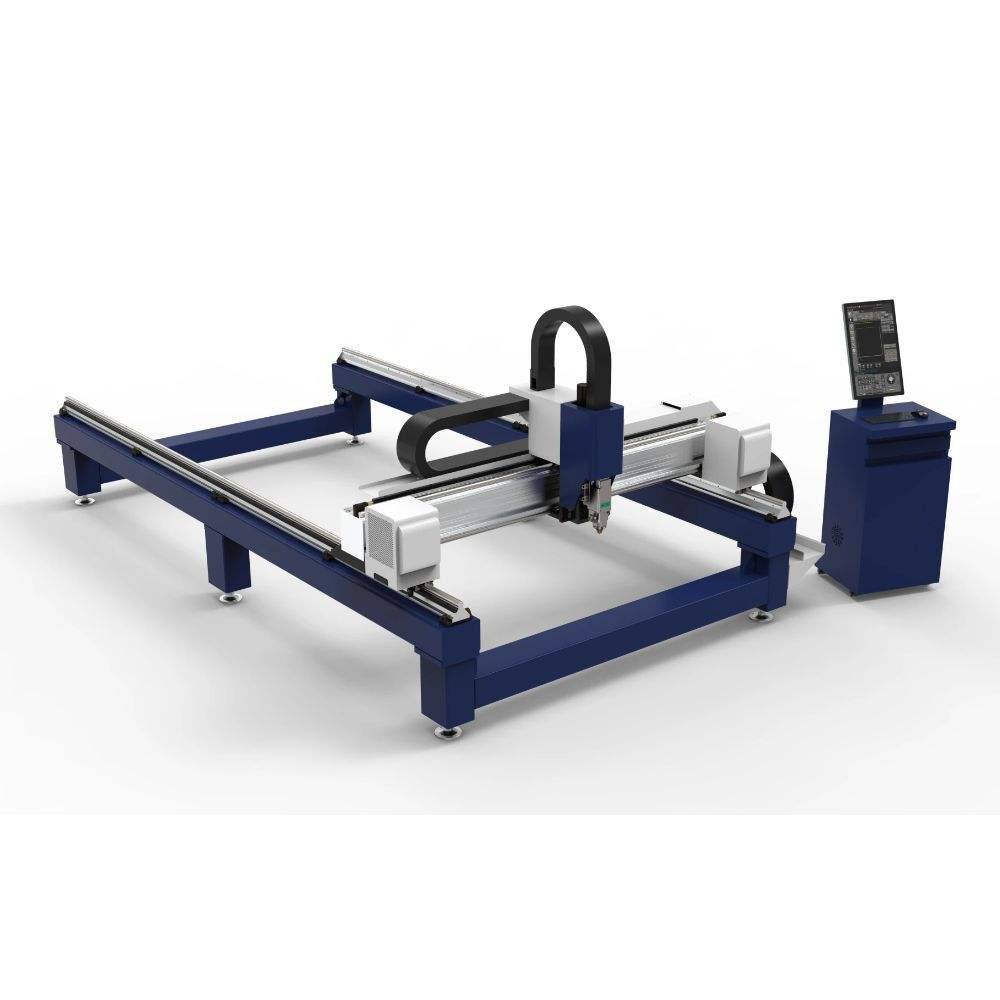
Guadalajara, often referred to as the “Silicon Valley of Mexico,” has evolved into a sophisticated hub for high-tech manufacturing, aerospace, and automotive engineering. As the capital of Jalisco, the city demands manufacturing solutions that match its reputation for precision and innovation. Within this competitive environment, the implementation of a 6kW precision laser system has become a cornerstone for facilities specializing in stainless steel fabrication. The 6kW power level represents a critical threshold in fiber laser technology, offering a perfect balance between high-speed processing of thin materials and the high-torque penetration required for heavy-gauge plates.
For engineers and plant managers in Guadalajara, the transition to 6kW laser cutting technology is not merely an upgrade in power; it is a fundamental shift in production capacity. Stainless steel, known for its reflectivity and thermal conductivity, requires specific beam characteristics to ensure clean edges and minimal dross. A 6kW system provides the necessary energy density to vaporize the material efficiently, allowing for faster feed rates and superior edge quality compared to lower-wattage alternatives. This guide explores the technical nuances, operational benefits, and localized applications of 6kW precision laser systems within the context of Guadalajara’s growing industrial sector.
Technical Specifications and Beam Dynamics
A 6kW fiber laser system operates by generating a high-intensity beam through a series of laser diodes, which is then delivered via a flexible fiber optic cable to the cutting head. The 6,000-watt output allows for a significant increase in the “power density” at the focal point. This is particularly vital for stainless steel, which has a high melting point and requires rapid heat input to maintain a narrow kerf. In laser cutting, the kerf width—the amount of material removed during the cut—is minimized by the high beam quality of a 6kW source, typically measured by a low M2 factor.
Precision is further enhanced by advanced motion control systems. Modern 6kW machines utilized in Guadalajara’s workshops often feature linear motors and high-resolution encoders. These components ensure that the high-speed movements enabled by the 6kW source do not compromise the geometric tolerances of the part. When processing stainless steel components for the electronics or medical device sectors in Jalisco, maintaining tolerances within +/- 0.05mm is often a requirement, a feat easily achieved by these high-precision systems.

Optimizing Stainless Steel Processing: The Role of Assist Gases
In the context of stainless steel, the choice of assist gas is as critical as the laser power itself. For a 6kW system, Nitrogen is the primary choice for “clean cutting.” Nitrogen acts as a shielding gas, blowing away the molten metal before it can react with atmospheric oxygen. This prevents oxidation on the cut edge, leaving a bright, weld-ready finish that is essential for the food processing equipment and pharmaceutical industries prevalent in the Guadalajara region.
With 6kW of power, the system can utilize high-pressure nitrogen to cut through stainless steel up to 16mm or even 20mm with exceptional speed. At these thicknesses, the 6kW source maintains enough energy to keep the melt pool fluid, reducing the “burr” or “dross” that often accumulates at the bottom of the cut. For thinner gauges (1mm to 3mm), the 6kW system enters the “high-speed” regime, where laser cutting speeds can exceed 40-50 meters per minute, significantly lowering the cost-per-part for high-volume production runs.
Application in Guadalajara’s Key Industries
Guadalajara’s industrial base is diverse, and the 6kW laser system serves several key niches:
1. Aerospace and Automotive Components
The aerospace corridor in Mexico relies on the high repeatability of fiber lasers. Stainless steel alloys used in engine components and structural brackets require precise thermal management to avoid altering the material’s metallurgical properties. A 6kW laser minimizes the Heat Affected Zone (HAZ), ensuring that the structural integrity of the stainless steel remains intact. In the automotive sector, Tier 1 and Tier 2 suppliers in Jalisco use these systems for exhaust components, decorative trim, and structural reinforcements.
2. Food and Beverage Infrastructure
Jalisco is the heart of Mexico’s tequila and agribusiness industry. The production of stainless steel fermentation tanks, distillation columns, and bottling lines requires large-scale laser cutting of 304 and 316-grade stainless steel. A 6kW system allows for the rapid fabrication of these large components, offering the edge quality necessary to meet strict sanitary standards where bacterial growth in rough edges must be avoided.
3. Electronics and Telecommunications Enclosures
As Mexico’s electronics hub, Guadalajara produces a vast array of server racks, control panels, and specialized enclosures. These often use thin-gauge stainless steel that requires intricate patterns and high-speed processing. The precision of a 6kW system ensures that small holes and complex geometries are cut without distortion, even at high velocities.
Economic Impact: ROI and Operational Efficiency
The decision to implement a 6kW precision laser system in a Guadalajara facility is often driven by the Return on Investment (ROI). While the initial capital expenditure is higher than that of a 3kW or 4kW system, the throughput gains are exponential. In a 24/7 manufacturing environment, a 6kW machine can often do the work of two 3kW machines, reducing the footprint required on the factory floor and halving the labor costs associated with machine operation.
Furthermore, the energy efficiency of modern fiber lasers is significantly higher than older CO2 technology. A 6kW fiber laser converts electrical energy into laser light with an efficiency of approximately 30-35%, compared to the 8-10% seen in CO2 systems. For manufacturers in Mexico, where energy costs are a significant factor in operational overhead, this efficiency directly translates to improved margins. The reduction in maintenance—due to the absence of mirrors and the long lifespan of the laser diodes—further stabilizes the total cost of ownership.
Advanced Software Integration and Industry 4.0
In Guadalajara’s modernizing plants, laser cutting is no longer a standalone process. 6kW systems are now integrated into broader Industry 4.0 ecosystems. Advanced nesting software optimizes material usage, which is critical when working with expensive stainless steel alloys. These software packages can automatically adjust cutting parameters based on the specific grade of stainless steel and the desired finish.
Real-time monitoring is another feature of high-end 6kW systems. Sensors within the cutting head monitor the temperature, protective window status, and beam focus. In the event of a deviation, the system can auto-correct or alert the operator, preventing scrap. For Guadalajara-based companies looking to compete on a global scale, this level of process control is essential for maintaining ISO certifications and meeting the quality demands of international clients.
Installation and Maintenance Considerations in Jalisco
Operating a 6kW laser in Guadalajara’s climate requires attention to environmental factors. While the city enjoys a temperate climate, seasonal humidity and dust can affect sensitive optical components. Precision laser cutting systems must be housed in climate-controlled environments or equipped with robust filtration and cooling systems. The 6kW power source generates significant heat, necessitating a high-capacity industrial chiller to maintain the laser source and cutting head at optimal temperatures.
Local technical support is another vital consideration. As Guadalajara’s industrial sector has grown, so too has the infrastructure for CNC and laser maintenance. Facilities must ensure they have access to high-purity Nitrogen and Oxygen supplies and a consistent electrical grid. Many top-tier manufacturers in the region invest in voltage stabilizers to protect the sensitive electronics of the 6kW system from power fluctuations, ensuring 99% uptime.
Conclusion: The Future of Fabrication in Guadalajara
The 6kW precision laser system represents the current “gold standard” for versatile, high-performance stainless steel fabrication. For the manufacturing community in Guadalajara, adopting this technology is a strategic move that enhances competitiveness in both domestic and export markets. By providing the power to cut thicker materials and the speed to process thin sheets with unmatched precision, the 6kW fiber laser addresses the diverse needs of the automotive, aerospace, and food industries.
As laser cutting technology continues to advance, the integration of 6kW systems will be the benchmark for efficiency. Companies that leverage these systems will benefit from lower operational costs, superior product quality, and the ability to take on increasingly complex projects. In the heart of Jalisco, the precision of the 6kW laser is not just a tool; it is the engine driving the next generation of Mexican industrial excellence.
















