
The Strategic Integration of 6kW Precision Laser Systems in Guadalajara’s Industrial Sector
Guadalajara, often referred to as the “Silicon Valley of Mexico,” has evolved into a sophisticated hub for electronics, automotive manufacturing, and aerospace engineering. As the industrial landscape in Jalisco becomes increasingly competitive, the demand for high-precision fabrication tools has surged. Among these, the 6kW precision fiber laser system stands out as a transformative technology, particularly for facilities handling galvanized steel. This guide explores the engineering nuances, operational advantages, and localized considerations for implementing 6kW laser cutting technology in the Guadalajara metropolitan area.
The transition from CO2 lasers to high-power fiber lasers has redefined throughput expectations. A 6kW system offers a unique balance of power density and operational cost, making it the “sweet spot” for medium-to-heavy industrial applications. In the context of Guadalajara’s diverse manufacturing base—ranging from HVAC ductwork production to heavy-duty automotive chassis components—the 6kW fiber laser provides the necessary versatility to process thin-gauge galvanized sheets with extreme speed while maintaining the capacity to pierce thicker carbon steel plates when required.
Technical Dynamics of Laser Cutting Galvanized Steel
Galvanized steel presents a unique set of challenges in the thermal cutting process. The material consists of a carbon steel core coated with a protective layer of zinc. Because zinc has a significantly lower melting point (approximately 419°C) compared to the steel substrate (approximately 1,500°C), the laser cutting process must be meticulously controlled to prevent delamination, excessive dross, or hazardous fume accumulation.
Overcoming the Zinc Vapor Barrier
When a 6kW laser beam interacts with galvanized steel, the zinc coating vaporizes almost instantaneously. This vapor can interfere with the stability of the laser beam and the assist gas flow. A 6kW system provides sufficient power density to maintain a stable keyhole even when the vaporized zinc attempts to disrupt the plasma. Engineering teams in Guadalajara must calibrate the focal position slightly deeper into the material than they would for standard cold-rolled steel to ensure that the energy is concentrated where the melt pool needs to be established, effectively “blowing through” the zinc layer before it can contaminate the cut edge.
 laser cutting machine” style=”max-width: 100%; height: auto; margin: 20px 0;”>
Optimization of Assist Gases: Nitrogen vs. Oxygen
For high-precision applications in the Guadalajara region, the choice of assist gas is critical. When laser cutting galvanized steel, Nitrogen is typically the preferred medium. High-pressure Nitrogen (often exceeding 15-20 bar) acts as a mechanical force to eject the molten material from the kerf before the zinc can react with the steel or the atmosphere. This results in a “clean” cut that preserves the integrity of the galvanized coating near the edge, which is vital for components destined for outdoor use or high-humidity environments common in coastal-adjacent regions of Mexico.
Conversely, using Oxygen as an assist gas can lead to an exothermic reaction that, while increasing cutting speed on thicker plates, often results in significant oxidation at the cut edge. For the precision-heavy electronics and medical device sectors in Zapopan and Tlaquepaque, the oxidation-free finish provided by Nitrogen-assisted 6kW laser cutting is non-negotiable.
Machine Architecture and Performance Metrics
A 6kW precision laser system is more than just its power source. The structural integrity of the machine frame and the sophistication of the motion control system are what translate raw power into dimensional accuracy. In Guadalajara’s high-output factories, machines must be built to withstand 24/7 operation cycles.
Thermal Management and Structural Integrity
The 6kW fiber laser generates significant heat, not only at the cutting head but within the power source itself. Advanced systems utilize dual-circuit industrial chillers to maintain the laser source and the optical head at precise temperatures. In the climate of Guadalajara, where ambient temperatures can fluctuate significantly between the dry and rainy seasons, a robust thermal management system is essential to prevent thermal expansion of the gantry. High-end systems utilize a heavy-duty, heat-treated steel frame that has been stress-relieved to ensure that the machine maintains its ±0.03mm positioning accuracy over years of service.
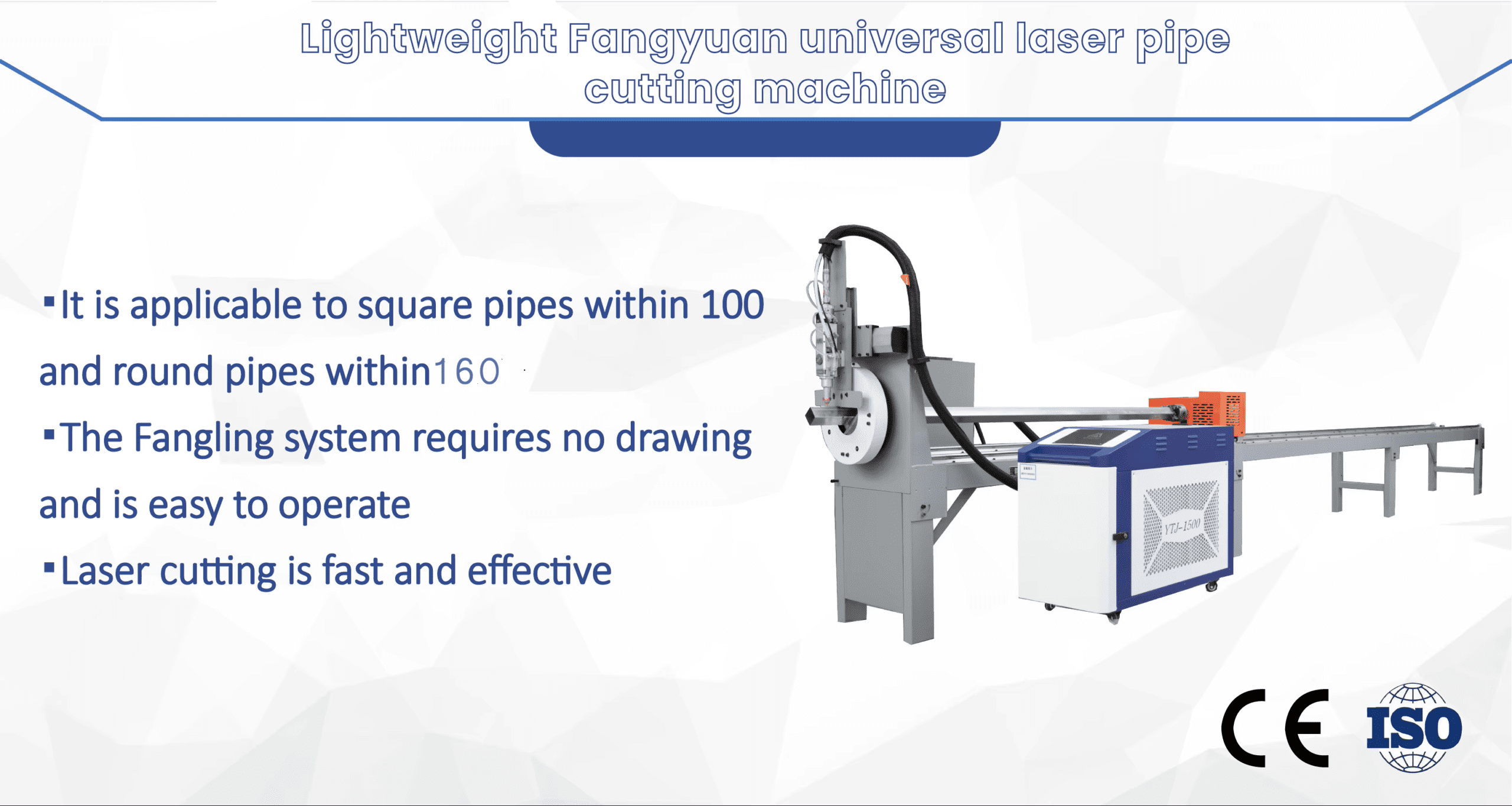
High-Speed Motion Control and Linear Drives
To fully leverage 6kW of power on thin galvanized sheets (1mm to 3mm), the machine must be capable of high acceleration. If the gantry cannot move fast enough, the laser will deliver too much heat to the material, causing “burn-through” or melting the delicate zinc coating away from the cut line. Modern 6kW systems utilize helical rack-and-pinion systems or linear motors capable of accelerations up to 1.5G or 2.0G. This allows the laser cutting head to maintain the high feed rates (often exceeding 40m/min) required to produce dross-free edges on galvanized materials.
Operational Considerations for the Guadalajara Region
Implementing a 6kW laser system in Jalisco requires an understanding of the local infrastructure and environmental variables. Engineering managers must account for power quality, air filtration, and technician training to ensure maximum uptime.
Power Stability and Environmental Factors
While Guadalajara has a robust industrial power grid, voltage fluctuations can be detrimental to the sensitive diodes within a fiber laser source. It is standard engineering practice in the region to install high-capacity voltage stabilizers and isolation transformers. Furthermore, the 6kW laser cutting process on galvanized steel produces zinc oxide fumes, which are toxic if inhaled. Advanced filtration systems with HEPA filters and spark arrestors are mandatory to comply with Mexican environmental regulations (NOM) and to protect the local workforce.
Maintenance Protocols for High-Duty Cycles
The “precision” in a 6kW system is maintained through rigorous preventive maintenance. In the dusty environments sometimes found near Guadalajara’s industrial parks, the protection windows of the laser head must be inspected daily. Any contamination on the lens can lead to “thermal lensing,” where the beam focus shifts during the cut, resulting in inconsistent quality. Training local operators to perform these checks and to understand the nuances of the CNC software—such as nesting algorithms that minimize material waste—is a critical component of a successful installation.
Economic Analysis and ROI for Local Manufacturers
The investment in a 6kW laser system is significant, but the Return on Investment (ROI) for Guadalajara-based manufacturers is driven by three factors: speed, secondary process elimination, and material versatility.
Reducing Secondary Processing Costs
Traditional mechanical shearing or lower-power laser cutting of galvanized steel often leaves a burr that requires manual grinding. A 6kW system, when tuned correctly with Nitrogen assist gas, produces an edge that is ready for welding or assembly immediately. In a region where labor costs are rising and the demand for “Just-in-Time” (JIT) delivery is high, eliminating 10 minutes of post-processing per part can result in thousands of hours saved annually.
Versatility in Material Handling
A 6kW system is not limited to galvanized steel. Guadalajara’s aerospace and automotive suppliers often work with aluminum alloys and brass. Fiber lasers are particularly adept at handling these reflective materials, which were historically difficult for CO2 lasers. The 6kW threshold allows for the efficient cutting of 12mm aluminum and 10mm brass, providing a single-machine solution for a shop’s entire material portfolio.
Conclusion: The Future of Metal Fabrication in Jalisco
The adoption of 6kW precision laser systems marks a significant milestone in the maturation of Guadalajara’s manufacturing sector. By mastering the complexities of laser cutting galvanized steel—through precise assist gas management, high-speed motion control, and robust environmental adaptations—local manufacturers can position themselves as Tier 1 suppliers on the global stage. As the industry moves toward further automation and Industry 4.0 integration, the 6kW fiber laser will remain the cornerstone of high-efficiency, high-precision metal fabrication in the heart of Mexico.
















