
Introduction to 6kW Precision Laser Systems in Queretaro’s Industrial Landscape
The industrial corridor of Queretaro, Mexico, has established itself as a global powerhouse for aerospace, automotive, and electronic manufacturing. As the demand for high-tolerance components increases, the adoption of the 6kW precision laser system has become a cornerstone for local fabrication shops and Tier 1 suppliers. This guide explores the technical nuances of utilizing 6000-watt fiber laser technology, specifically focusing on the processing of brass—a material known for its aesthetic appeal and challenging physical properties.
In the context of Queretaro’s rapid industrialization, the 6kW laser offers a strategic advantage. It provides the necessary power density to overcome the high reflectivity of non-ferrous metals while maintaining the high-speed throughput required by the region’s competitive supply chains. Understanding the synergy between machine optics, gas dynamics, and material science is essential for any engineer looking to optimize laser cutting operations in this demanding environment.
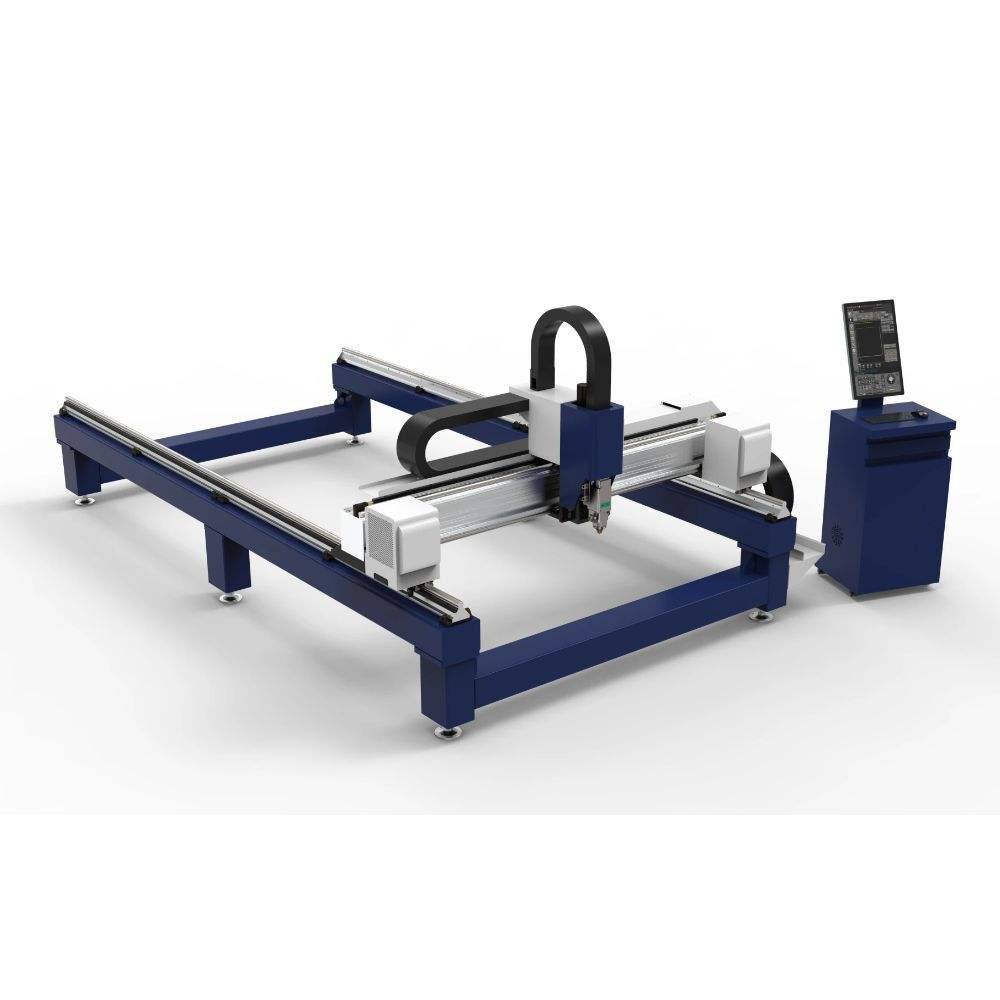
 laser cutting machine” style=”width: 100%; max-width: 800px; height: auto; margin: 20px 0;”>
The Technical Superiority of 6kW Fiber Laser Technology
A 6kW fiber laser system is not merely a high-power tool; it is a precision instrument designed for high-duty cycles. Unlike traditional CO2 lasers, fiber lasers utilize a solid-state gain medium, which results in a significantly shorter wavelength (typically around 1.06 microns). This shorter wavelength is more readily absorbed by metals, particularly yellow metals like brass and copper, which are notoriously difficult to process due to their high thermal conductivity and back-reflection characteristics.
Power Density and Beam Quality
The effectiveness of a 6kW system is measured by its Beam Parameter Product (BPP). A lower BPP indicates a tighter focal spot, which translates to higher power density at the point of contact. For brass fabrication in Queretaro, this means the laser can pierce the material almost instantaneously, reducing the Heat Affected Zone (HAZ) and preventing the material from warping. At 6000 watts, the system can maintain high feed rates even on thicker brass plates (up to 12mm or 15mm), ensuring that the edges remain smooth and free of excessive dross.
Back-Reflection Protection
One of the primary risks when laser cutting brass is back-reflection. Brass is highly reflective in its solid state. If the laser beam reflects off the surface and travels back into the delivery fiber, it can cause catastrophic damage to the resonator. Modern 6kW systems are equipped with advanced optical isolators and sensors that detect back-reflection in real-time, shutting down the beam within microseconds to protect the hardware. This reliability is crucial for Queretaro’s 24/7 manufacturing facilities.
Optimizing Brass Fabrication in the Bajío Region
Brass, an alloy of copper and zinc, is prized in Queretaro for both its decorative applications and its functional use in electrical connectors and fluid handling systems. However, its thermal properties require a specific approach to laser cutting to achieve “jewelry-grade” finishes.
Gas Dynamics and Nozzle Selection
The choice of assist gas is pivotal. For most brass applications, high-pressure nitrogen is the preferred medium. Nitrogen acts as a mechanical force to eject molten metal from the kerf while simultaneously cooling the surrounding area to prevent oxidation. In Queretaro’s high-altitude environment, adjusting the gas flow and pressure is necessary to compensate for atmospheric density changes. Engineers typically utilize chrome-plated double nozzles to maintain a stable gas column, which is essential for achieving the narrow kerf widths required for precision components.
Focal Position and Piercing Strategies
When processing brass with a 6kW laser, the focal position is usually set slightly below the surface of the material. This ensures that the energy is concentrated within the thickness of the plate, promoting a cleaner melt. For thicker brass sections, a “staged piercing” approach is often employed, where the laser power and gas pressure are ramped up gradually to prevent spatter from contaminating the protective window of the cutting head.
Applications in Queretaro’s Key Industries
The versatility of the 6kW laser system allows it to serve multiple sectors within the Queretaro economy. From the aerospace cluster at the Queretaro Intercontinental Airport to the automotive plants in the Jurica and Benito Juárez industrial parks, the demand for precision brass components is ubiquitous.
Aerospace and Defense
In aerospace, brass is often used for bushings, bearings, and specialized instrumentation components. The 6kW system provides the accuracy needed to meet AS9100 standards, ensuring that every cut is within microns of the design specification. The ability to nest complex geometries tightly also reduces material waste, which is critical when dealing with expensive alloys.
Automotive and Electronics
The automotive industry in Queretaro relies on brass for electrical terminals and sensor housings. The high speed of laser cutting at 6kW allows for mass production that rivals traditional stamping but with much lower tooling costs. This flexibility enables local manufacturers to prototype and move to full production in a fraction of the time required by traditional methods.
Maintenance and Operational Longevity
To maintain the precision of a 6kW laser in a high-production environment like Queretaro, a rigorous maintenance schedule is mandatory. The local climate, characterized by dry periods and occasional dust, necessitates high-efficiency filtration systems for the laser’s cooling unit and the cutting cabin.
Chiller Calibration
A 6kW fiber laser generates significant heat within the resonator and the cutting head. The chiller must be calibrated to maintain a precise temperature (usually within ±0.5°C). In Queretaro, where ambient temperatures can fluctuate significantly between day and night, dual-circuit chillers are essential to prevent thermal expansion of the optical components, which would otherwise lead to focal drift.
Optical Integrity
The protective windows and lenses must be inspected daily. Even a microscopic speck of brass dust can absorb laser energy, leading to thermal cracking. Utilizing clean-room protocols when changing consumables is a best practice that differentiates the top-tier fabrication shops in Queretaro from their competitors. Furthermore, the use of high-purity assist gases (99.999% nitrogen) prevents the buildup of carbon deposits on the optics.
Economic Impact and Future Outlook
The investment in 6kW laser cutting technology is a clear indicator of Queretaro’s move toward Industry 4.0. By reducing secondary finishing processes—such as deburring or grinding—the 6kW system significantly lowers the cost per part. This efficiency makes Queretaro-based companies more competitive on the global stage, attracting further foreign direct investment.
Integration with Automation
Looking forward, many Queretaro facilities are integrating their 6kW lasers with automated loading and unloading systems. This allows for “lights-out” manufacturing, where the machine continues to process brass sheets overnight without human intervention. The precision of the 6kW beam ensures that even without constant supervision, the quality of the output remains consistent, maximizing the return on investment.
Sustainability in Fabrication
Modern 6kW fiber lasers are significantly more energy-efficient than their predecessors. In a region like Queretaro, where energy costs are a major operational factor, the high wall-plug efficiency of fiber technology (often exceeding 30%) represents a substantial saving. Additionally, the precision of the laser reduces scrap rates, contributing to a more sustainable and circular manufacturing economy.
Conclusion
The 6kW precision laser system is more than just a piece of machinery; it is a catalyst for industrial excellence in Queretaro. By mastering the complexities of laser cutting brass, local manufacturers can deliver high-quality, high-tolerance components that meet the rigorous demands of the global market. As the technology continues to evolve, the integration of higher power, smarter software, and robust maintenance protocols will ensure that Queretaro remains at the forefront of the precision fabrication industry. For engineers and facility managers in the region, the 6kW system offers the perfect balance of power, speed, and reliability needed to turn brass into the building blocks of modern technology.
















