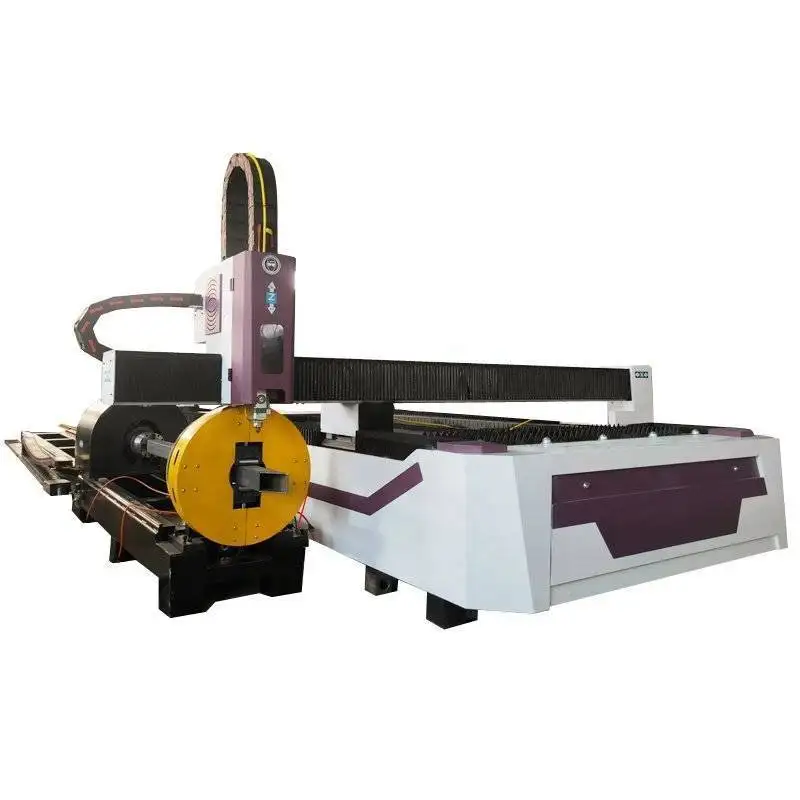
Engineering Overview: 6kW Fiber Laser Integration for Toluca’s Kitchenware Industry
The industrial corridor of Toluca, State of Mexico, has established itself as a premier hub for high-precision manufacturing. For kitchenware factory owners and production engineers, the transition from traditional mechanical stamping to advanced fiber laser technology is no longer optional; it is a prerequisite for maintaining competitive margins. The 6kW Precision Laser System, specifically configured for non-ferrous alloys like brass, represents the pinnacle of this technological shift.
This guide analyzes the structural and optical requirements necessary to process brass—a material notorious for its high thermal conductivity and reflectivity—while maintaining the rigorous tolerances required for high-end kitchenware components such as decorative trims, heat-diffusing plates, and luxury faucet assemblies.
The Structural Foundation: Plate-Welded Heavy Duty Bed Mechanics
In precision laser cutting, the mechanical stability of the machine bed dictates the long-term accuracy of the output. For a 6kW system, the kinetic energy generated by high-speed gantry movements requires a frame capable of absorbing significant inertial forces.
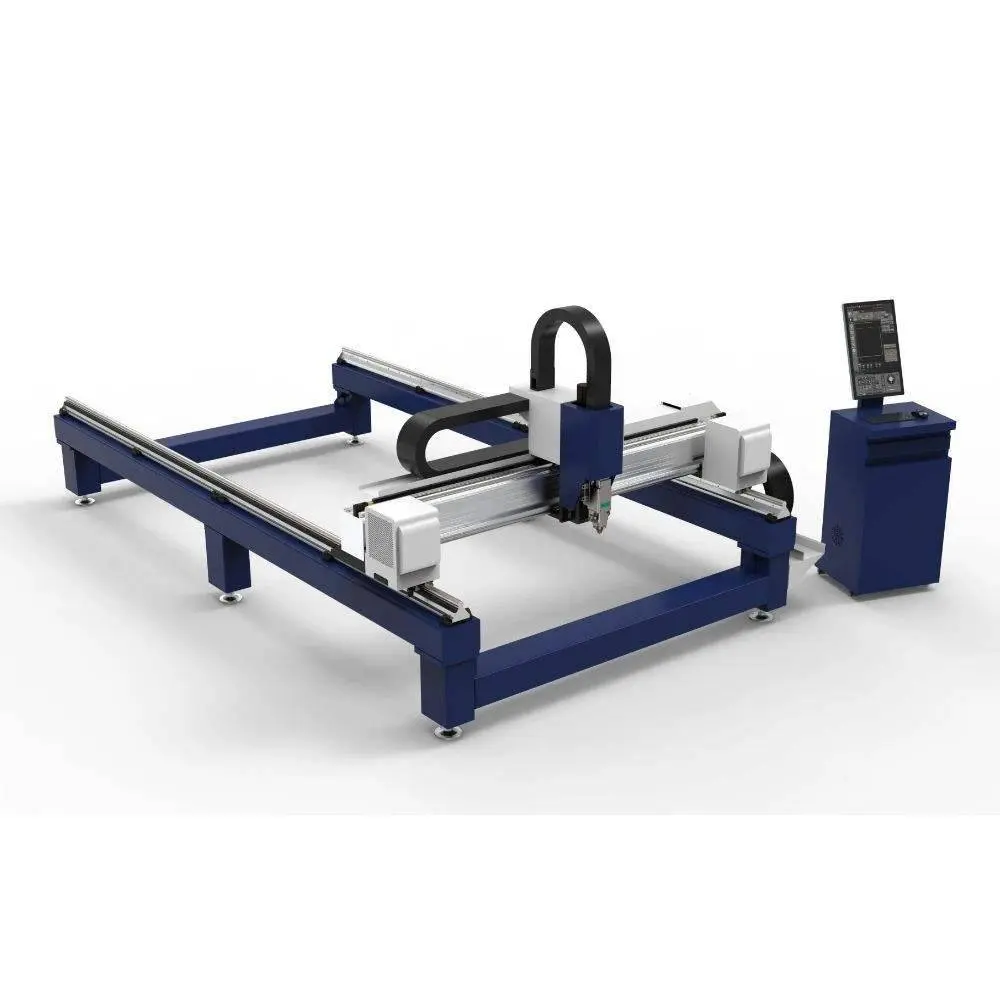
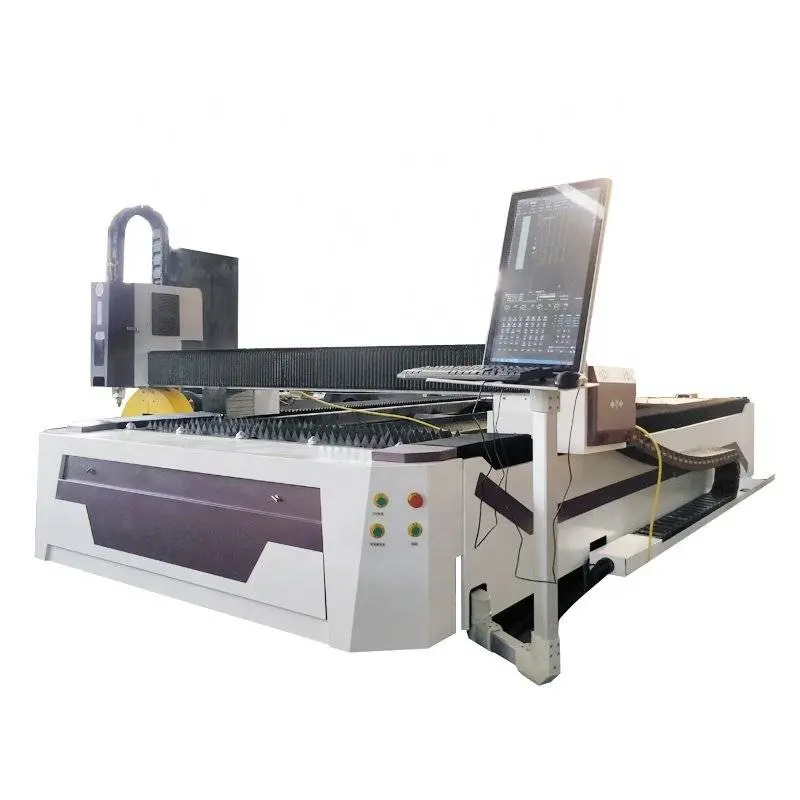
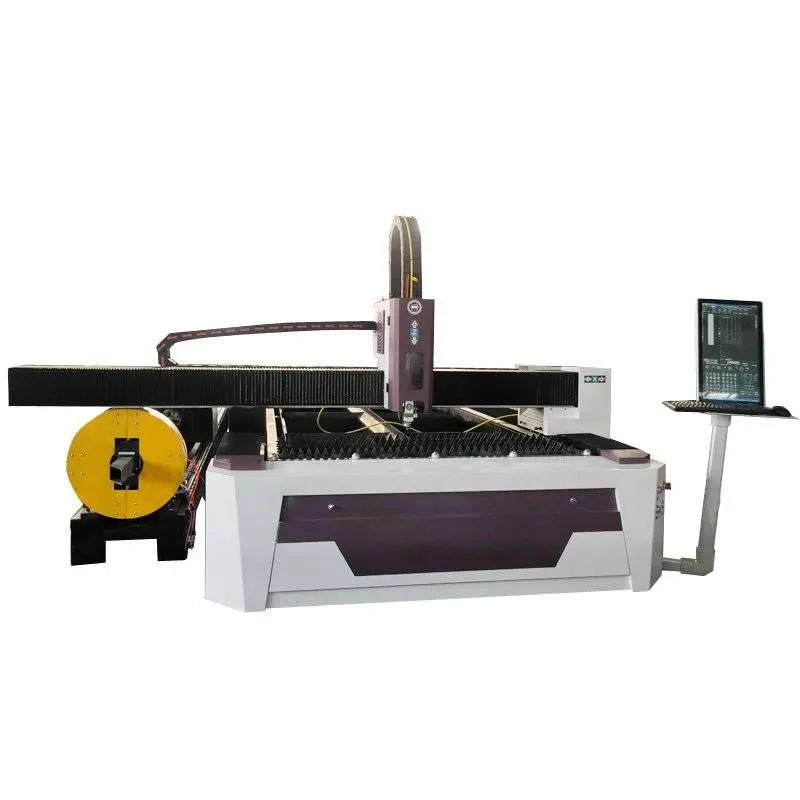
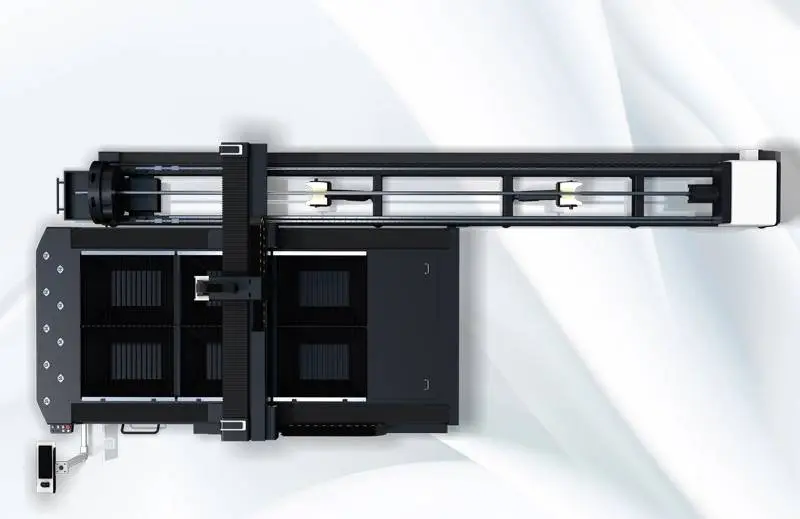
The Plate-welded Heavy Duty Bed is engineered using high-tensile carbon steel plates, typically ranging from 12mm to 20mm in thickness. Unlike lighter aluminum or thin-walled tube frames, the plate-welded structure undergoes a rigorous thermal treatment process. After welding, the entire bed is subjected to stress-relief annealing in a high-temperature furnace (approximately 600°C). This process eliminates internal stresses within the metal, ensuring that the bed will not deform over a 20-year operational lifecycle.
From an engineering perspective, the mass of the heavy-duty bed provides a critical damping ratio. When the laser head accelerates at 1.2G to 1.5G, the vibrations are neutralized by the bed’s structural inertia. For Toluca-based factories operating in multi-shift environments, this stability translates to a positioning accuracy of ±0.03mm and a repeatability of ±0.02mm. Without this structural rigidity, the high-frequency vibrations would manifest as “striations” or rough edges on the brass workpieces, necessitating secondary polishing and increasing labor costs.
Optical Dynamics: Overcoming Brass Reflectivity at 6kW
Brass is classified as a “highly reflective” material. In the context of fiber laser physics, brass reflects a significant portion of the 1.06-micron wavelength back toward the laser source. If the system is not properly engineered, this back-reflection can cause catastrophic damage to the laser resonator and the optical delivery fiber.
The 6kW power threshold is a strategic choice for brass processing. At lower power levels (1kW – 3kW), the laser takes longer to “pierce” the material, extending the window of time where back-reflection is most dangerous. A 6kW system provides a high power density that instantly liquefies the brass, allowing the beam to enter the material and establish a stable “keyhole” for cutting.
To further protect the hardware, these systems utilize specialized optical isolators and “back-reflection protection” modules. For kitchenware engineers, this means the ability to cut brass alloys (such as C26000 or C36000) up to 10mm or 12mm in thickness with a clean, burr-free finish. The 6kW density ensures that the Heat Affected Zone (HAZ) is minimized, preserving the aesthetic integrity and structural temper of the brass—a critical factor for items that require subsequent plating or lacquer coating.
Precision Metrics and Cutting Parameters for Kitchenware
In the production of high-end kitchenware, precision is measured not just in millimeters, but in the quality of the edge. A 6kW system optimized for the Toluca market delivers specific performance data across various brass thicknesses:
1. 2mm Brass: Cutting speeds can reach 18-22 meters per minute using Nitrogen as the assist gas. The resulting edge is bright and requires zero secondary grinding.
2. 5mm Brass: Cutting speeds average 4-6 meters per minute. At this thickness, the precision of the Plate-welded Heavy Duty Bed becomes evident, as the verticality of the cut remains within a 0.05mm deviation.
3. 10mm Brass: While reaching the upper limits of “precision” cutting, the 6kW system can maintain a stable cut at 0.8-1.2 meters per minute, providing a significant advantage over waterjet or plasma alternatives in terms of kerf width and speed.
The use of Nitrogen (N2) is standard for kitchenware applications to prevent oxidation. The 6kW system’s gas control valves are digitally integrated with the CNC, allowing for micro-adjustments in pressure (measured in Bars) to ensure that the molten brass is ejected cleanly from the kerf, leaving a smooth, “mirror-like” surface.
Operational Efficiency in the Toluca Industrial Ecosystem
The Toluca market presents unique environmental considerations, including its altitude and industrial power grid characteristics. Engineering a 6kW system for this region involves optimizing the cooling system. High-power fiber lasers generate substantial heat; therefore, a dual-circuit industrial chiller is mandatory. One circuit cools the laser source, while the other maintains the temperature of the cutting head and optics.
For factory owners, the Return on Investment (ROI) of a 6kW system is driven by “Process Consolidation.” Traditionally, a brass kitchen component might require:
1. Shearing to size.
2. Mechanical punching for holes.
3. Milling for complex geometries.
4. Deburring.
The 6kW Precision Laser collapses these four steps into a single automated process. By utilizing nesting software, material utilization can be increased by up to 15%, reducing the scrap rate of expensive brass alloys. In a high-volume kitchenware environment, these material savings alone often cover the machine’s monthly financing costs within the first year of operation.
Maintenance Protocols for High-Precision Longevity
To maintain the ±0.03mm precision over years of service, engineers must adhere to a strict maintenance regimen focused on the mechanical and optical paths.
The Plate-welded Heavy Duty Bed features integrated lubrication systems for the helical rack and pinion drives. Because brass cutting produces fine metallic dust, the machine must be equipped with a high-volume dust extraction system and bellows to protect the linear guides.
On the optical side, the protective window (the “lens”) must be inspected daily. At 6kW, even a microscopic speck of dust on the lens can absorb enough energy to crack the glass, potentially damaging the internal collimating lenses. Modern systems include “Lens Monitoring” sensors that alert the operator via the CNC interface if the lens temperature exceeds a safe threshold, preventing costly downtime.
Conclusion: Strategic Implementation for Toluca Manufacturers
The deployment of a 6kW Precision Laser System with a Plate-welded Heavy Duty Bed represents a significant capital upgrade for any Toluca-based kitchenware manufacturer. However, the data-driven advantages—ranging from structural vibration damping to the high-speed processing of reflective brass—provide a clear technological moat.
By prioritizing a heavy-duty bed over lighter alternatives, engineers ensure that the machine’s precision remains constant despite the rigors of industrial production. Simultaneously, the 6kW power profile provides the versatility to handle everything from thin decorative filigree to thick structural brass components. For the factory owner, this translates to lower per-part costs, higher aesthetic quality, and the agility to respond to shifting market trends in the premium kitchenware sector.
Investing in this technology is not merely an acquisition of equipment; it is an engineering commitment to the highest standards of Mexican manufacturing excellence.