The Evolution of 6kW Precision Laser Systems in Toluca’s Industrial Sector
The industrial landscape of Toluca, State of Mexico, has undergone a significant transformation over the last decade. As one of the primary automotive and aerospace hubs in North America, the demand for high-precision fabrication has skyrocketed. Central to this evolution is the implementation of the 6kW precision laser system. This specific power rating—6,000 watts—represents a critical “sweet spot” for modern manufacturing, offering a balance between raw cutting speed and intricate edge quality. For facilities specializing in aluminum alloy fabrication, the 6kW fiber laser has become the gold standard, replacing older CO2 technologies and lower-wattage systems that struggle with the unique thermal properties of non-ferrous metals.
In the context of Toluca’s manufacturing ecosystem, where Tier 1 and Tier 2 suppliers provide components for global OEMs, the reliability of laser cutting is paramount. The 6kW system provides the necessary power density to overcome the high reflectivity of aluminum while maintaining a narrow heat-affected zone (HAZ). This guide explores the technical intricacies, operational parameters, and economic advantages of deploying 6kW laser technology specifically for aluminum alloy processing in the high-altitude industrial corridors of Toluca.
Technical Specifications and Power Dynamics of 6kW Fiber Lasers
A 6kW fiber laser operates by generating a laser beam within an active optical fiber and delivering it via a flexible transport fiber to the cutting head. Unlike CO2 lasers, which use a gas mixture and mirrors, fiber lasers are solid-state, meaning they have no moving parts or mirrors in the light-generating source. This results in significantly lower maintenance requirements and higher electrical efficiency. For aluminum alloy processing, the wavelength of a fiber laser (typically around 1.06 microns) is absorbed much more efficiently by the metal than the 10.6-micron wavelength of a CO2 laser.
The 6kW threshold is particularly significant because it allows for “high-speed nitrogen cutting.” At this power level, the machine can maintain sufficient vapor pressure to eject molten aluminum from the kerf before it can solidify or form dross. This results in a “clean-cut” finish that often requires no secondary deburring or grinding. For aluminum alloys such as 5052 or 6061, which are prevalent in Toluca’s automotive chassis and heat shield production, the 6kW system enables feed rates that are 2 to 3 times faster than a 3kW system, directly impacting the facility’s throughput and bottom line.
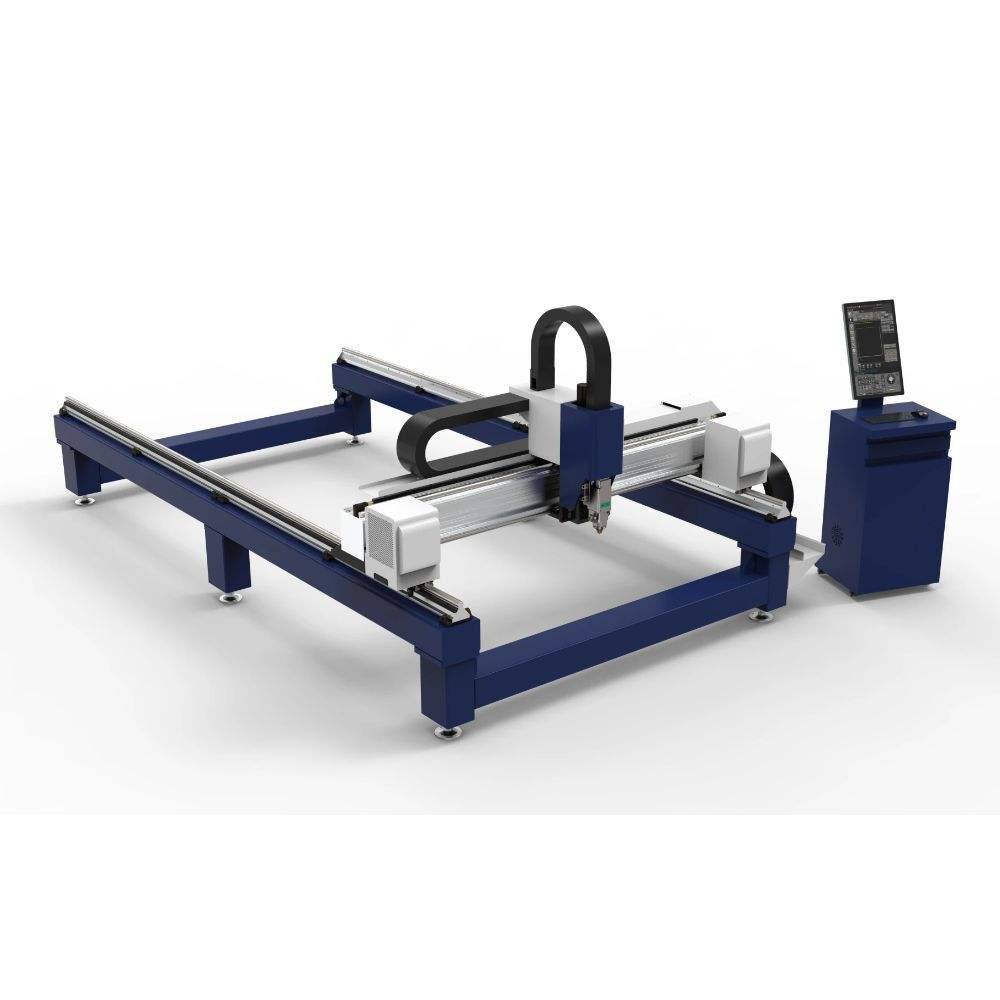
 laser cutting machine for Aluminum Alloys”>
Optimizing Laser Cutting for Aluminum Alloys
Aluminum presents unique challenges for laser cutting due to its high thermal conductivity and high reflectivity. When a laser beam first hits a cold aluminum surface, a large percentage of the energy is reflected back toward the cutting head. Without sufficient power and specialized optical protection, this back-reflection can damage the laser source. Modern 6kW systems are equipped with back-reflection isolators and advanced sensors that allow for continuous cutting of even the most reflective “mirror-finish” aluminum grades.
The Role of Assist Gases: Nitrogen vs. Oxygen
The choice of assist gas is the most critical factor in determining the edge quality of aluminum. For most precision applications in Toluca’s aerospace sector, Nitrogen is the preferred choice. Nitrogen acts as a shielding gas, preventing the aluminum from reacting with atmospheric oxygen. This results in a silver, oxide-free edge that is ready for immediate welding or painting. When using a 6kW system, the high pressure of the Nitrogen (often exceeding 15-20 bar) is used to mechanically “blow” the molten metal out of the cut.
In contrast, Oxygen can be used for thicker aluminum plates to introduce exothermic energy, aiding the melting process. However, this creates a heavily oxidized, brittle edge that usually requires post-processing. With 6kW of power, the necessity for Oxygen is greatly reduced for thicknesses up to 12mm, allowing manufacturers to stick with the cleaner Nitrogen process for a wider range of material gauges.
Focal Point and Nozzle Calibration
Precision laser cutting of aluminum requires precise control over the focal point. Because aluminum dissipates heat so quickly, the laser must concentrate its energy slightly below the surface of the material for thicker plates, or exactly on the surface for thin sheets. A 6kW system typically utilizes an automated “zoom” head that can adjust the spot size and focal position in real-time. This allows the machine to switch from cutting 1mm decorative trim to 10mm structural brackets without manual intervention, a feature that is essential for the high-mix, low-volume production cycles often found in Toluca’s specialized workshops.
Environmental and Geopolitical Factors in Toluca
Operating a 6kW laser system in Toluca requires consideration of the local environment. Toluca sits at an elevation of approximately 2,660 meters (8,730 feet) above sea level. This high altitude results in lower atmospheric pressure and lower air density compared to coastal manufacturing sites. For laser cutting, this affects the cooling efficiency of the chiller systems and the behavior of the assist gas as it exits the nozzle.
Cooling Systems and Altitude
A 6kW laser generates a substantial amount of heat within the power source and the cutting head. Chiller units must be rated for the thinner air of Toluca to ensure they can effectively dissipate heat. Engineers must often “oversize” the cooling capacity or ensure that the facility is climate-controlled to prevent the laser from de-rating during the warmer afternoon hours. Furthermore, the lower air density can affect the aerodynamics of the gas jet, sometimes requiring slight adjustments to nozzle geometry or pressure settings to maintain the same edge quality achieved at sea level.
Proximity to the Automotive Supply Chain
The location of these systems in Toluca provides a strategic advantage. With major assembly plants (such as Stellantis and various heavy-duty truck manufacturers) nearby, the ability to provide just-in-time (JIT) delivery of aluminum components is a massive competitive edge. Precision 6kW lasers allow local shops to iterate on prototypes quickly and move into full-scale production with minimal lead times. This proximity reduces logistics costs and allows for tighter collaboration between the design engineers at the OEM level and the fabrication experts on the shop floor.
Maintenance and Operational Longevity
To maintain the “precision” aspect of a 6kW system, a rigorous maintenance schedule is non-negotiable. While fiber lasers are lower maintenance than CO2, they are not “no maintenance.” The optical path must remain pristine. In the industrial dust of a busy Toluca warehouse, high-efficiency particulate air (HEPA) filtration systems for the laser cabinet are essential.
Consumable Management
The primary consumables in laser cutting are the copper nozzles and the protective windows (cover slips). For aluminum, dross splatter is a common occurrence during the piercing phase. If a 6kW laser pierces too slowly, molten aluminum can fly upward and fuse to the nozzle or the protective window. Advanced 6kW systems use “flash piercing” techniques, where the laser power and gas pressure are pulsed to create a hole in milliseconds, minimizing splatter. Operators must be trained to inspect the cover slip daily, as even a microscopic speck of dust can absorb 6kW of energy, causing the glass to shatter and potentially damaging the internal lenses.
Software Integration and Industry 4.0
Modern 6kW systems in Toluca are increasingly integrated into the “Smart Factory” framework. CAD/CAM software now includes specific algorithms for aluminum that automatically adjust lead-ins and lead-outs to prevent “heat buildup” at the corners of parts. This is particularly important for aluminum, as excessive heat can cause the metal to “slump” or melt away at sharp points. By using nesting software that optimizes the cutting path, manufacturers can reduce scrap rates—a vital factor given the high cost of aluminum alloys compared to carbon steel.
Economic Impact and ROI Analysis
The investment in a 6kW precision laser system is significant, but the Return on Investment (ROI) is often realized within 18 to 24 months in high-volume environments. The primary drivers of this ROI are speed and versatility. A 6kW system can cut 6mm aluminum at speeds exceeding 5 meters per minute, whereas a 2kW system might struggle at less than 1.5 meters per minute. This three-fold increase in productivity allows a single machine to do the work of three older units, saving floor space and reducing labor costs.
Furthermore, the ability to cut aluminum with a 6kW fiber laser opens doors to new contracts. Many aerospace and electric vehicle (EV) components require the specific tolerances and metallurgical integrity that only high-power fiber laser cutting can provide. As the automotive industry shifts toward vehicle electrification, the demand for lightweight aluminum battery enclosures and structural components in Toluca is expected to grow exponentially, making the 6kW laser a future-proof asset.
Conclusion
The 6kW precision laser system is more than just a tool; it is a cornerstone of modern industrial capability in Toluca. For those working with aluminum alloys, it provides the necessary power to overcome material challenges while delivering the precision required by the world’s most demanding industries. By understanding the technical nuances of fiber laser technology, optimizing parameters for the local high-altitude environment, and maintaining the system to the highest standards, manufacturers in Toluca can continue to lead the way in global fabrication. As laser cutting technology continues to advance, the synergy between high-power systems and aluminum metallurgy will remain a driving force behind the region’s economic prosperity and engineering excellence.