
Engineering Optimization of 6kW Laser Systems for the Guadalajara Aerospace Sector
In the rapidly evolving industrial landscape of Guadalajara, Jalisco, the aerospace manufacturing sector has emerged as a cornerstone of high-tech production. As part of the Bajío region’s aerospace cluster, local engineers and factory owners face increasing pressure to deliver components with tighter tolerances, particularly when working with high-strength aluminum alloys. The transition from traditional machining or lower-wattage laser systems to a 6kW Precision Laser System represents a significant leap in throughput and metallurgical integrity. This guide explores the technical architecture of these systems, focusing on the structural necessity of the Plate-welded Heavy Duty Bed and the specific dynamics of processing aluminum alloys for aerospace applications.
Structural Integrity: The Plate-welded Heavy Duty Bed
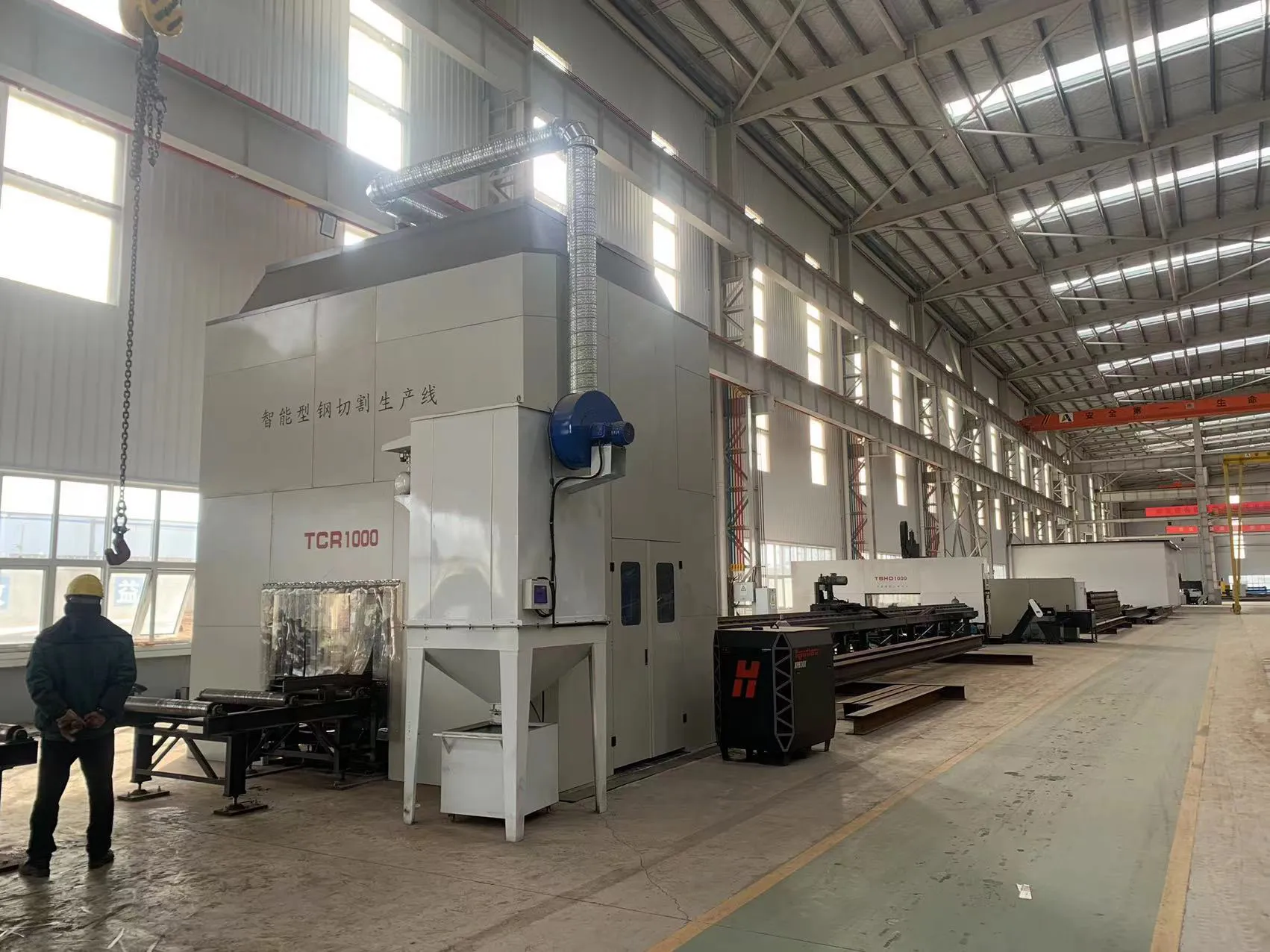
For aerospace-grade precision, the foundation of the laser system is as critical as the resonator itself. A 6kW laser generates significant kinetic energy during high-speed gantry movements. To maintain a positional accuracy of ±0.03mm, the machine must utilize a Plate-welded Heavy Duty Bed. Unlike lighter tube-welded frames, the plate-welded structure is engineered using high-tensile carbon steel plates, often ranging from 12mm to 20mm in thickness, which are joined through a rigorous multi-pass welding process.
The primary engineering advantage of this bed is its mass and vibration damping characteristics. In Guadalajara’s varied industrial environments, thermal expansion and floor vibrations can compromise precision. The heavy-duty bed undergoes a 600°C high-temperature tempering process (stress relief annealing) followed by natural aging for several weeks. This eliminates internal residual stresses within the metal, ensuring that the bed remains geometrically stable for over 20 years of continuous operation. For an aerospace engineer, this translates to consistent “First Article” quality across long production runs without the need for frequent recalibration.
Thermal Management and Dynamic Stability
The 6kW power density requires sophisticated thermal management within the machine frame. The plate-welded design incorporates a hollow “honeycomb” internal structure. This design serves two purposes: it reduces the overall weight of the moving gantry while maintaining maximum rigidity, and it allows for efficient airflow and heat dissipation. During high-power cutting of aluminum, heat can radiate back into the machine structure. The heavy-duty bed acts as a massive heat sink, preventing localized thermal expansion that could lead to “drift” in the cutting path.
Furthermore, the bed is machined using large-scale Italian or German CNC milling centers in a single setup. This ensures that the guide rails and rack-and-pinion mounting surfaces are perfectly parallel and flat. For aerospace components such as wing ribs or fuselage brackets, where geometric dimensioning and tolerancing (GD&T) are strictly enforced, this structural rigidity is the difference between a compliant part and a costly scrap.
High-Precision Cutting of Aluminum Alloys
Aluminum (specifically the 2000, 6000, and 7000 series used in aerospace) presents unique challenges for laser processing due to its high reflectivity and high thermal conductivity. A 6kW fiber laser is the “sweet spot” for these materials. The high power density allows the beam to instantly “pierce” the reflective surface, establishing a stable keyhole for the cutting process.
At 6kW, the system can process 6mm aluminum at speeds exceeding 8-10 meters per minute while maintaining a narrow Kerf width. This speed is vital for minimizing the Heat Affected Zone (HAZ). In aerospace engineering, an oversized HAZ can alter the T6 temper of alloys like 6061, leading to structural vulnerabilities. By utilizing high-pressure Nitrogen (N2) as an assist gas, the 6kW system ejects molten material so rapidly that the surrounding metal remains cool, preserving the mechanical properties of the alloy.

Optical Precision and Beam Quality
Precision in aluminum cutting is also a function of beam quality (BPP). The 6kW systems deployed in the Guadalajara market are typically equipped with autofocus cutting heads that utilize capacitive sensing. This allows the nozzle to maintain a constant standoff distance from the aluminum sheet, even if the material has slight warping—a common issue with thin-gauge aerospace skins.
The integration of “BrightCut” or similar beam-shaping technologies allows for a smoother edge finish on thicker aluminum plates (up to 20mm-25mm). For aerospace engineers, this reduces or eliminates the need for secondary deburring or edge-finishing processes, which are labor-intensive and introduce variability. The 6kW power allows for a “fine-cut” mode where the pulse frequency and duty cycle are modulated to produce a surface roughness (Ra) that meets stringent AS9100 standards.
Data-Driven Performance Metrics
When evaluating a 6kW system for a Guadalajara-based factory, engineers should focus on the following performance data:
1. Acceleration: The Plate-welded bed supports accelerations up to 1.5G. This is crucial for complex geometries found in aerospace brackets where the laser must frequently change direction.
2. Positional Accuracy: ±0.03mm over the entire working area (e.g., 3000mm x 1500mm).
3. Repeatability: ±0.02mm, ensuring that part 1 and part 1,000 are identical.
4. Gas Consumption Efficiency: Advanced proportional valves reduce Nitrogen consumption by up to 20% compared to 4kW systems, lowering the total cost of ownership.
In the context of the Mexican market, where electricity costs and gas supply chains are critical operational factors, the efficiency of a 6kW fiber resonator (typically 35-40% wall-plug efficiency) provides a significant competitive edge over older CO2 technologies or lower-wattage fiber lasers that require more passes or slower feed rates.
Integration into the Guadalajara Aerospace Ecosystem
Guadalajara has positioned itself as a hub for “Industry 4.0.” The 6kW Precision Laser Systems are now equipped with IoT-enabled controllers that provide real-time data on cutting parameters, gas pressure, and power consumption. For aerospace factory owners, this data is essential for traceability and quality assurance. If a part fails a stress test, the engineer can look back at the digital twin of the cutting process to verify that the temperature and speed were within the specified window.
Moreover, the local availability of technical support in Jalisco is a vital consideration. High-power laser systems require precise alignment of the external optical path and regular maintenance of the chiller systems. Investing in a machine with a heavy-duty plate-welded bed ensures that the mechanical alignment stays true despite the seismic activity or soil conditions common in the region, reducing the frequency of emergency service calls.
Conclusion: Future-Proofing Aerospace Production
For aerospace factory owners in Guadalajara, the 6kW Precision Laser System is more than a cutting tool; it is a strategic asset. The combination of a Plate-welded Heavy Duty Bed and high-power fiber laser technology addresses the two most critical requirements of the industry: structural stability and material-specific precision. By minimizing the Heat Affected Zone and maximizing positional accuracy, these systems allow local manufacturers to move up the value chain, transitioning from simple sheet metal work to complex, flight-critical aluminum components.
As the global aerospace supply chain continues to look toward Mexico for high-quality, cost-effective manufacturing, the adoption of 6kW precision technology ensures that Guadalajara’s engineers remain at the forefront of technical excellence. The investment in a heavy-duty, high-precision platform is a commitment to quality that resonates through every wing-spar, bracket, and fuselage panel produced for the global market.
















