
Introduction to 6kW Fiber laser cutting in Tijuana’s Industrial Landscape
Tijuana has established itself as one of the most critical manufacturing hubs in North America, serving as a gateway for the aerospace, medical device, and automotive industries. In this high-stakes production environment, the demand for precision, speed, and reliability is paramount. The 6kW fiber laser cutting machine represents a significant technological leap for local fabricators, offering the power necessary to handle demanding materials like stainless steel with unprecedented efficiency. As “near-shoring” continues to drive investment into the Baja California region, adopting high-kilowatt laser cutting technology is no longer a luxury but a strategic necessity for remaining competitive in the global supply chain.
The 6kW threshold is often considered the “sweet spot” for industrial fabrication. It provides enough power to penetrate thick plates while maintaining the high-speed performance required for thinner gauges. For Tijuana-based manufacturers dealing with high-volume exports, this balance ensures that production lines remain fluid and that lead times are minimized. Whether it is for custom medical enclosures or structural aerospace components, the 6kW fiber laser cutting system delivers the clean edges and tight tolerances that modern engineering standards demand.

Technical Specifications of the 6kW Fiber Laser
Power Dynamics and Beam Quality
A 6kW fiber laser cutting machine operates by generating a high-intensity laser beam through a series of laser diodes, which is then transmitted via a flexible fiber optic cable to the cutting head. Unlike CO2 lasers, fiber lasers have a shorter wavelength (typically around 1.06 microns), which allows for better absorption in metals, particularly stainless steel. The 6kW power level allows for a high energy density at the focal point, enabling the machine to vaporize metal almost instantly. This results in a narrower kerf width and a much smaller heat-affected zone (HAZ), which is critical for maintaining the structural integrity of stainless steel parts.
Cutting Capacities for Stainless Steel
When processing stainless steel, the 6kW fiber laser cutting machine typically excels in thicknesses ranging from 1mm to 25mm. While a 3kW machine might struggle with 12mm stainless steel, producing a rougher edge and requiring slower feed rates, the 6kW variant glides through these thicknesses. For example, on 6mm stainless steel, a 6kW machine can achieve cutting speeds significantly faster than lower-wattage counterparts, directly translating to higher parts-per-hour and lower overhead costs. The ability to cut up to 25mm or even 30mm with nitrogen assistance ensures that the machine can handle heavy-duty industrial applications common in Tijuana’s construction and maritime sectors.
The Importance of Stainless Steel Fabrication in Tijuana
Meeting Medical and Aerospace Standards
Tijuana is home to one of the largest clusters of medical device manufacturers in the world. These companies require components made from 304 and 316L grade stainless steel, which are prized for their corrosion resistance and biocompatibility. Precision laser cutting is the only method capable of producing the intricate geometries required for surgical instruments, diagnostic equipment housings, and cleanroom furniture. The 6kW fiber laser provides the consistency needed to meet ISO and FDA-regulated quality standards, ensuring that every part is identical to the last.
Durability in Automotive and Electronics
The automotive sector in the region also relies heavily on stainless steel for exhaust systems, brackets, and decorative trim. The high-speed capabilities of the 6kW laser cutting system allow manufacturers to keep up with the “Just-in-Time” (JIT) delivery requirements of major OEMs. Furthermore, the electronics industry utilizes thin-gauge stainless steel for shielding and chassis components. The fiber laser’s ability to cut these materials without warping or dross formation is a major advantage over traditional mechanical punching or plasma cutting.
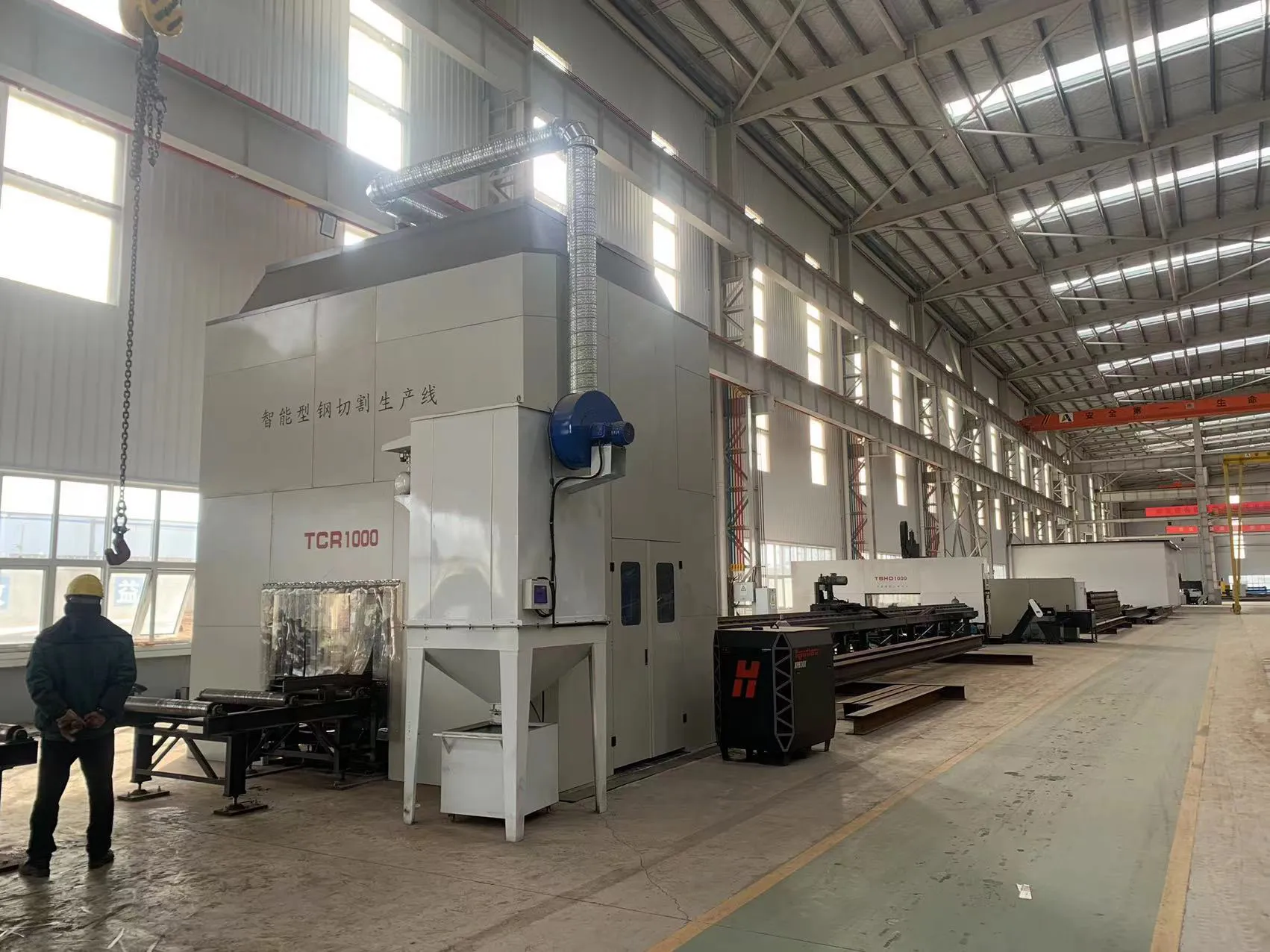
Optimizing the Cutting Process: Gas Selection and Optics
Nitrogen vs. Oxygen Cutting
For stainless steel, the choice of assist gas is vital. In most high-end laser cutting applications in Tijuana, nitrogen is the preferred gas. Nitrogen cutting is an inert process, meaning it does not react with the molten metal. This prevents oxidation on the cut edge, leaving a bright, clean finish that is ready for welding or painting without secondary cleaning. A 6kW machine requires a high-pressure nitrogen delivery system to effectively blow the molten stainless steel out of the kerf. While oxygen can be used to cut thicker plates by adding thermal energy through an exothermic reaction, it leaves an oxide layer that is generally undesirable for stainless steel applications.
Advanced Cutting Heads and Auto-Focus
Modern 6kW machines are equipped with “smart” cutting heads featuring automated focus adjustment. Because different thicknesses of stainless steel require the focal point to be positioned precisely—sometimes above the surface, sometimes deep within the material—manual adjustment is too slow and prone to error. Auto-focus heads, such as those from Precitec or Raytools, allow the laser cutting software to adjust the beam parameters on the fly. This is particularly useful when nesting parts of different geometries on a single sheet of stainless steel, maximizing material utilization and reducing waste.
Operational Excellence in the Tijuana Manufacturing Hub
Energy Efficiency and Maintenance
One of the primary reasons Tijuana shops are transitioning to 6kW fiber technology is energy efficiency. Fiber lasers convert approximately 35% to 40% of electrical energy into laser light, compared to only 10% for CO2 lasers. This reduction in power consumption is significant for large-scale operations looking to lower their carbon footprint and utility bills. Additionally, fiber lasers have no moving parts in the light-generating source and no mirrors that require alignment, which dramatically reduces maintenance downtime. In a 24/7 production environment like those found in the Otay Mesa or Florido industrial parks, uptime is the most critical metric for success.
Software Integration and Industry 4.0
The integration of CAD/CAM software with the laser cutting machine allows for seamless transitions from design to finished part. Advanced nesting algorithms can save thousands of dollars in stainless steel costs by optimizing how parts are placed on a sheet. Furthermore, many 6kW machines now feature Industry 4.0 connectivity, allowing managers in Tijuana to monitor machine performance, gas levels, and cutting speeds remotely from a smartphone or tablet. This level of data-driven manufacturing is essential for maintaining the high-efficiency benchmarks required by international clients.
Economic Impact and ROI for Local Fabricators
Competitive Advantage in the Binational Region
Tijuana’s proximity to San Diego and the broader California market creates a unique economic dynamic. By investing in 6kW laser cutting technology, Mexican fabricators can offer high-precision services at a lower labor cost than their US counterparts, while providing faster shipping times than overseas competitors in Asia. This “high-tech, near-shore” model is the cornerstone of the region’s economic growth. The ROI on a 6kW machine is typically realized through increased throughput; by cutting parts two to three times faster than a 2kW or 3kW machine, the cost per part drops significantly.
Scalability and Future-Proofing
The jump from 3kW to 6kW is a strategic move for future-proofing a business. As designs become more complex and materials more varied, having the extra power reserve ensures that a shop can handle whatever a client throws at them. While a 6kW machine represents a higher initial investment, its versatility in handling everything from thin-gauge stainless steel to thick carbon steel plates makes it a multi-purpose workhorse that can adapt to changing market demands in the Tijuana-San Diego mega-region.
Conclusion: The Future of Laser Cutting in Baja California
The 6kW fiber laser cutting machine is more than just a piece of equipment; it is an engine of industrial growth for Tijuana. By providing the power and precision necessary to master stainless steel fabrication, it enables local companies to compete at the highest levels of global manufacturing. As the aerospace and medical sectors continue to expand in Baja California, the reliance on advanced laser cutting technology will only increase. For fabricators looking to lead the market, the 6kW fiber laser offers the perfect combination of speed, quality, and long-term value, ensuring that “Made in Tijuana” remains a mark of engineering excellence.
















