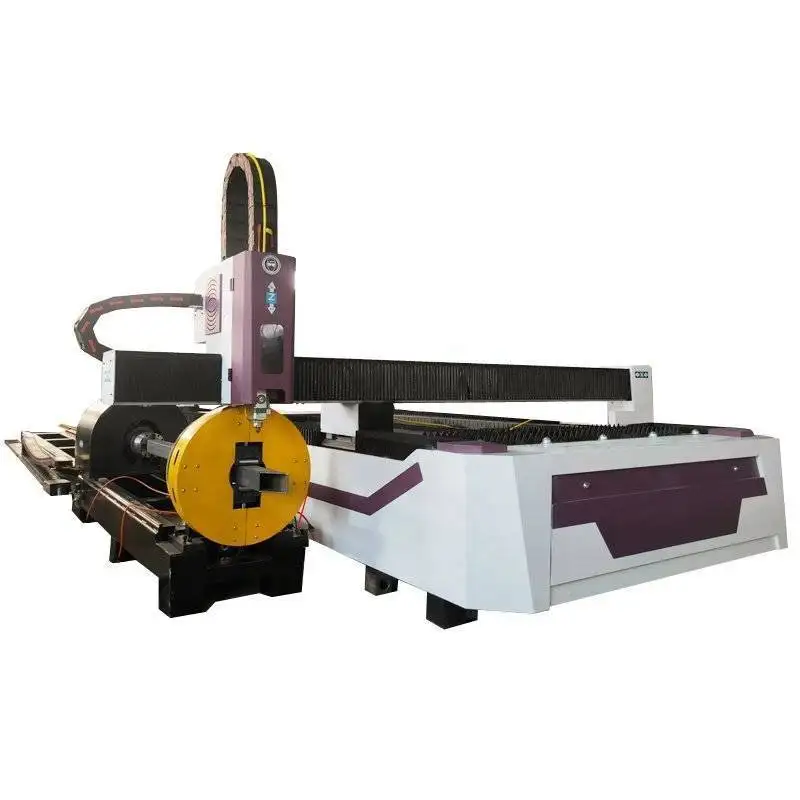
The Engineering Standard: 6kW Fiber laser cutting for Carbon Steel
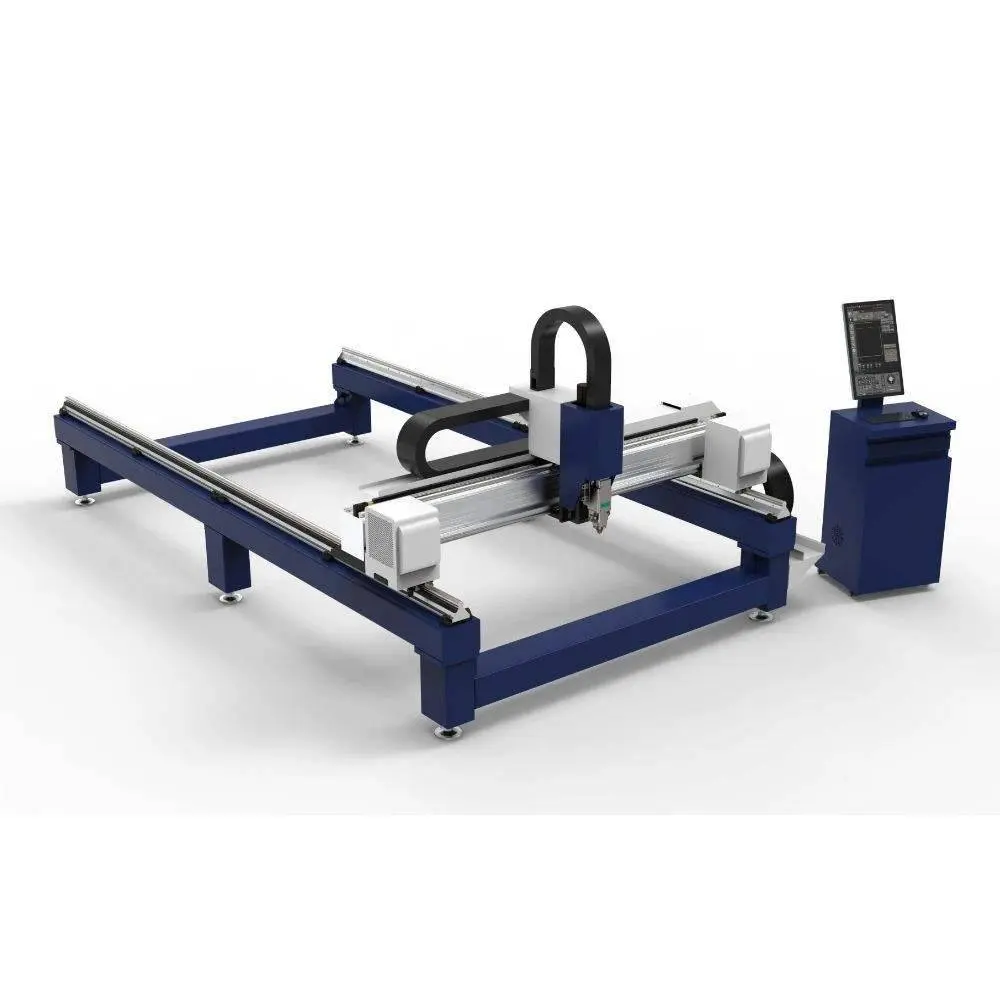
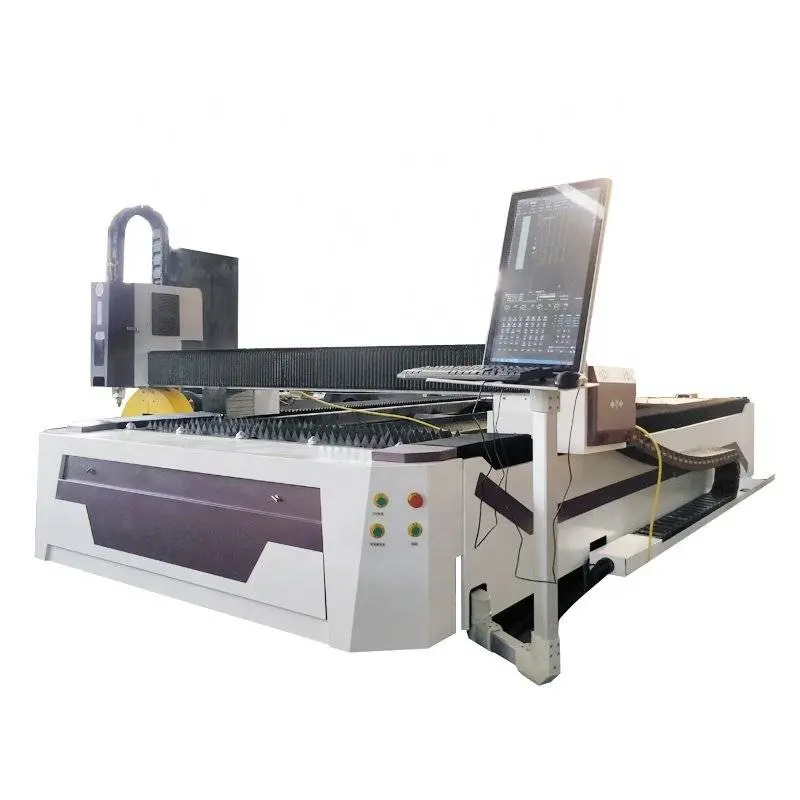
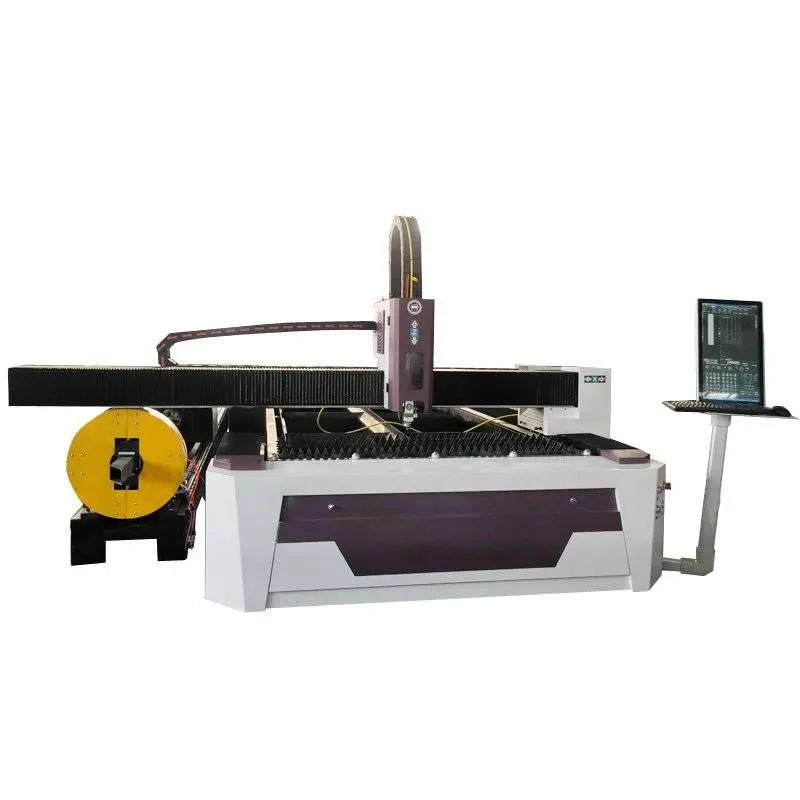
In the rapidly evolving landscape of industrial manufacturing, the 6kW fiber laser cutting machine has emerged as a pivotal piece of technology for metal fabrication. This power level represents a strategic “sweet spot” in the industry, offering a perfect balance between high-speed processing for thin sheets and the robust penetration required for thick carbon steel plates. For engineering firms and fabrication shops, particularly those operating in high-demand environments like Mexico City, understanding the technical nuances of 6kW fiber technology is essential for maintaining a competitive edge.
Fiber laser technology utilizes an optical fiber doped with rare-earth elements as the active gain medium. Unlike traditional CO2 lasers, which rely on a gas mixture and complex mirror systems, fiber lasers deliver the beam through a flexible fiber optic cable directly to the cutting head. The 1.07-micron wavelength of a fiber laser is absorbed much more efficiently by metallic surfaces, especially carbon steel, leading to faster processing speeds and superior edge quality.
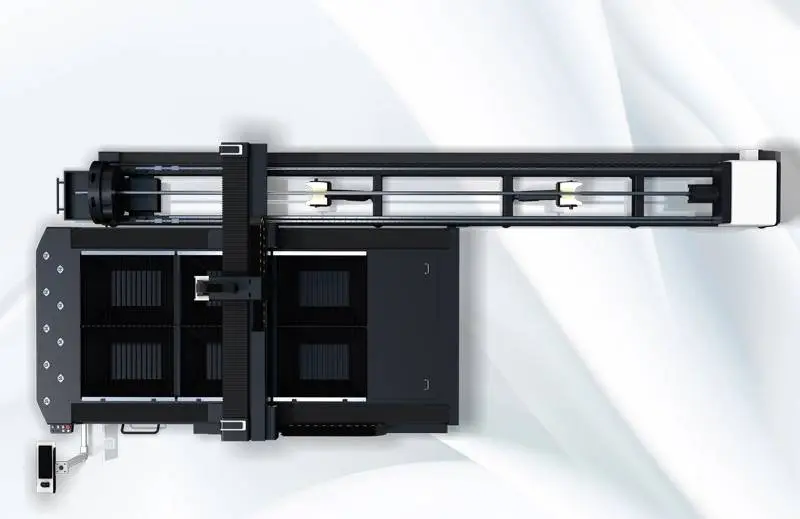
Technical Specifications and Power Density
A 6kW fiber laser cutting machine is defined by its power density. At this level, the energy concentrated at the focal point is sufficient to instantaneously melt and vaporize carbon steel up to 25mm (1 inch) in thickness. The beam quality, often measured by the Beam Parameter Product (BPP), ensures that the energy remains focused even over long distances across the cutting bed.
For carbon steel applications, the 6kW source provides enough energy to utilize oxygen as an assist gas for thick sections, facilitating an exothermic reaction that speeds up the cutting process. Conversely, for thinner gauges (under 6mm), the 6kW power allows for high-pressure nitrogen or compressed air cutting, which results in a clean, oxide-free edge that is ready for immediate welding or painting without secondary cleaning processes.
Carbon Steel Processing in Mexico City’s Industrial Sector
Mexico City (CDMX) and its surrounding metropolitan area, including the industrial corridors of Estado de México, represent one of the most concentrated hubs for automotive, aerospace, and structural engineering in Latin America. The demand for carbon steel fabrication here is driven by infrastructure projects, heavy machinery manufacturing, and the automotive supply chain.
However, operating a 6kW laser cutting machine in Mexico City presents unique engineering challenges due to the city’s geographical characteristics. At an altitude of approximately 2,240 meters (7,350 feet) above sea level, the atmospheric pressure is significantly lower than at sea level. This altitude affects the density of the air, which has two primary implications for laser cutting:
- Cooling Efficiency: Most 6kW fiber lasers require high-capacity water chillers. Lower air density reduces the heat exchange efficiency of air-cooled condensers. Engineers must ensure that chillers are rated for high-altitude operation or are oversized to compensate for the reduced cooling capacity.
- Assist Gas Dynamics: The behavior of assist gases (Oxygen and Nitrogen) changes slightly at higher altitudes. Flow rates and nozzle pressures may require fine-tuning to ensure the kerf remains clear of dross, particularly when processing thick A36 or 1018 carbon steel.
Material Considerations: A36 and Beyond
Carbon steel is the backbone of Mexican industrial construction. The most common grade, A36, is widely used for its weldability and structural integrity. When using a 6kW laser cutting system, the quality of the carbon steel plate is paramount. “Laser-grade” carbon steel, characterized by low silicon content and a consistent surface finish, allows the 6kW beam to maintain a stable keyhole during the cutting process.
When cutting carbon steel thicker than 12mm, the 6kW machine typically employs a “cool-cut” or “power-ramp” technique. This involves modulating the laser power and frequency at corners and tight geometries to prevent over-burning, a common issue where the exothermic reaction with oxygen becomes uncontrollable due to heat accumulation.
Optimizing the Cutting Parameters
To achieve the best results on carbon steel in a 6kW environment, operators must master several variables:
- Focal Position: For thick carbon steel cutting with oxygen, the focus is usually positioned above the material surface to create a wider kerf, allowing the oxygen to penetrate deeper and flush out molten metal.
- Nozzle Selection: Double-layer nozzles are standard for oxygen cutting, providing a stable gas shield that prevents turbulence. For 6kW systems, nozzle diameters typically range from 1.5mm to 3.0mm depending on plate thickness.
- Gas Purity: In Mexico City’s industrial zones, ensuring 99.9% purity for oxygen is critical. Impurities in the gas line can lead to irregular striations on the cut edge and increased dross formation on the bottom of the plate.
Operational Efficiency and ROI for Mexican Workshops
The transition to a 6kW fiber laser cutting system represents a significant capital investment, but the Return on Investment (ROI) is often realized within 18 to 24 months for high-volume shops. In the context of Mexico City’s labor market and energy costs, the fiber laser offers several economic advantages.
Energy Consumption and Maintenance
Fiber lasers are remarkably efficient, with wall-plug efficiencies exceeding 30-35%, compared to the 10% efficiency of older CO2 technology. In a city where industrial electricity rates can fluctuate, the lower power draw of a 6kW fiber system per inch of cut is a major operational saving. Furthermore, the absence of internal mirrors and the longevity of the laser diodes (often rated for 100,000 hours) significantly reduce the downtime and maintenance costs that used to plague Mexican fabrication shops.
High-Speed Piercing Technologies
One of the standout features of modern 6kW systems is “Flash Piercing” or “Frequency Piercing.” When dealing with 20mm carbon steel, traditional piercing could take several seconds, accumulating significant heat. A 6kW source can utilize high-peak power to “blast” through the material in a fraction of a second. This not only increases the number of parts produced per hour but also preserves the structural integrity of the surrounding material by minimizing the Heat Affected Zone (HAZ).
Integration with Industry 4.0 in Mexico
As Mexico City moves toward smarter manufacturing, 6kW laser cutting machines are being integrated into broader ERP (Enterprise Resource Planning) and MES (Manufacturing Execution Systems). These machines provide real-time data on gas consumption, power usage, and cutting time. For a project manager in Naucalpan or Vallejo, this data is vital for accurate quoting and production scheduling.
The Role of Automation
Given the speed of 6kW laser cutting, manual loading and unloading often become the bottleneck. Many Mexican enterprises are now opting for automated pallet changers and even robotic sorting arms. When processing carbon steel sheets, which are heavy and difficult to handle, automation reduces the risk of workplace injuries and ensures the machine maintains a high duty cycle throughout the shift.
Conclusion: The Future of Fabrication in CDMX
The 6kW fiber laser cutting machine is more than just a tool; it is a catalyst for industrial growth in Mexico City. By providing the power to handle heavy carbon steel plates and the precision to compete on a global scale, it enables local manufacturers to take on complex projects in the automotive and energy sectors. As the technology continues to mature, and as shops in Mexico City adapt to the challenges of altitude and infrastructure, the 6kW fiber laser will remain the gold standard for versatility, efficiency, and quality in metal fabrication.
For engineers and business owners, the choice to implement 6kW technology is a commitment to precision. Whether it is cutting structural base plates for a new skyscraper in Reforma or precision components for a manufacturing plant in Querétaro, the 6kW fiber laser delivers the performance required to turn raw carbon steel into the foundation of modern Mexico.