
Introduction to 6kW Fiber laser cutting Technology
The industrial landscape of Leon has undergone a significant transformation with the integration of high-power fiber laser systems. Among these, the 6kW fiber laser cutting machine stands out as a versatile powerhouse, specifically engineered to meet the rigorous demands of modern manufacturing. This technology utilizes a solid-state laser source where the active gain medium is an optical fiber doped with rare-earth elements. For industries in Leon, ranging from automotive components to decorative architectural hardware, the 6kW threshold provides a strategic balance between high-speed processing and the ability to penetrate thick, non-ferrous materials.
Laser cutting at the 6kW level offers a distinct advantage in beam density and energy absorption. Unlike traditional CO2 lasers, which struggle with the reflective properties of yellow metals, the 1.06-micron wavelength of a fiber laser is more readily absorbed by materials like brass. This physical property allows for faster feed rates, reduced heat-affected zones (HAZ), and a level of precision that was previously unattainable with plasma or mechanical shearing methods. As Leon continues to position itself as a hub for precision engineering, adopting 6kW fiber technology is no longer an option but a necessity for competitive production.

The Engineering Challenges of Laser Cutting Brass
Material Reflectivity and Back-Reflection
Brass, an alloy of copper and zinc, is notoriously difficult to process using thermal cutting methods due to its high thermal conductivity and high reflectivity. In the context of laser cutting, reflectivity poses a dual threat: it prevents the initial piercing of the material and risks damaging the laser source through back-reflection. When the laser beam hits a polished brass surface, a significant percentage of the energy can be reflected back into the delivery fiber and the resonator.
Modern 6kW fiber laser cutting machines are equipped with advanced back-reflection isolation systems. These optical “one-way valves” protect the sensitive diode banks from returning photons. Furthermore, the 6kW power density allows the beam to transition from the reflective solid state to the absorptive molten state almost instantaneously during the “pierce” phase, mitigating the duration of potential back-reflection. For operators in Leon working with high-grade brass, understanding these optical dynamics is essential for maintaining machine longevity.
Thermal Conductivity and Edge Quality
Brass dissipates heat rapidly. During the laser cutting process, the energy must be concentrated enough to melt the metal before the heat spreads to the surrounding area. A 6kW system provides the necessary irradiance to maintain a stable melt pool even at high traverse speeds. This results in a cleaner kerf and a reduction in dross (the solidified metal droplets on the underside of the cut). In Leon’s decorative hardware sector, where aesthetic finish is paramount, the ability of a 6kW laser to produce a “burr-free” edge on brass sheets up to 10mm or 12mm thick significantly reduces the need for secondary grinding or polishing operations.
Strategic Applications in the Leon Industrial Sector
Leon has established itself as a cornerstone of manufacturing, and the demand for precision-cut brass components spans several niches. The 6kW fiber laser cutting machine is particularly effective in the following areas:
Automotive and Electrical Components
The automotive supply chain in the region requires high-precision brass shims, terminals, and connectors. These parts often feature intricate geometries that would be impossible to stamp without expensive custom tooling. Laser cutting provides the flexibility to iterate designs rapidly. A 6kW machine can process thin-gauge brass at speeds exceeding 60 meters per minute, ensuring that high-volume production runs remain economically viable while maintaining tolerances within microns.
Architectural and Decorative Metalwork
From luxury signage to custom furniture inlays, brass is a preferred material for its aesthetic appeal. The 6kW fiber laser allows fabricators in Leon to execute complex filigree patterns and sharp internal corners in thick brass plates. The precision of the CNC control combined with the narrow kerf of the fiber laser ensures that interlocking parts fit perfectly, a requirement for high-end architectural installations.
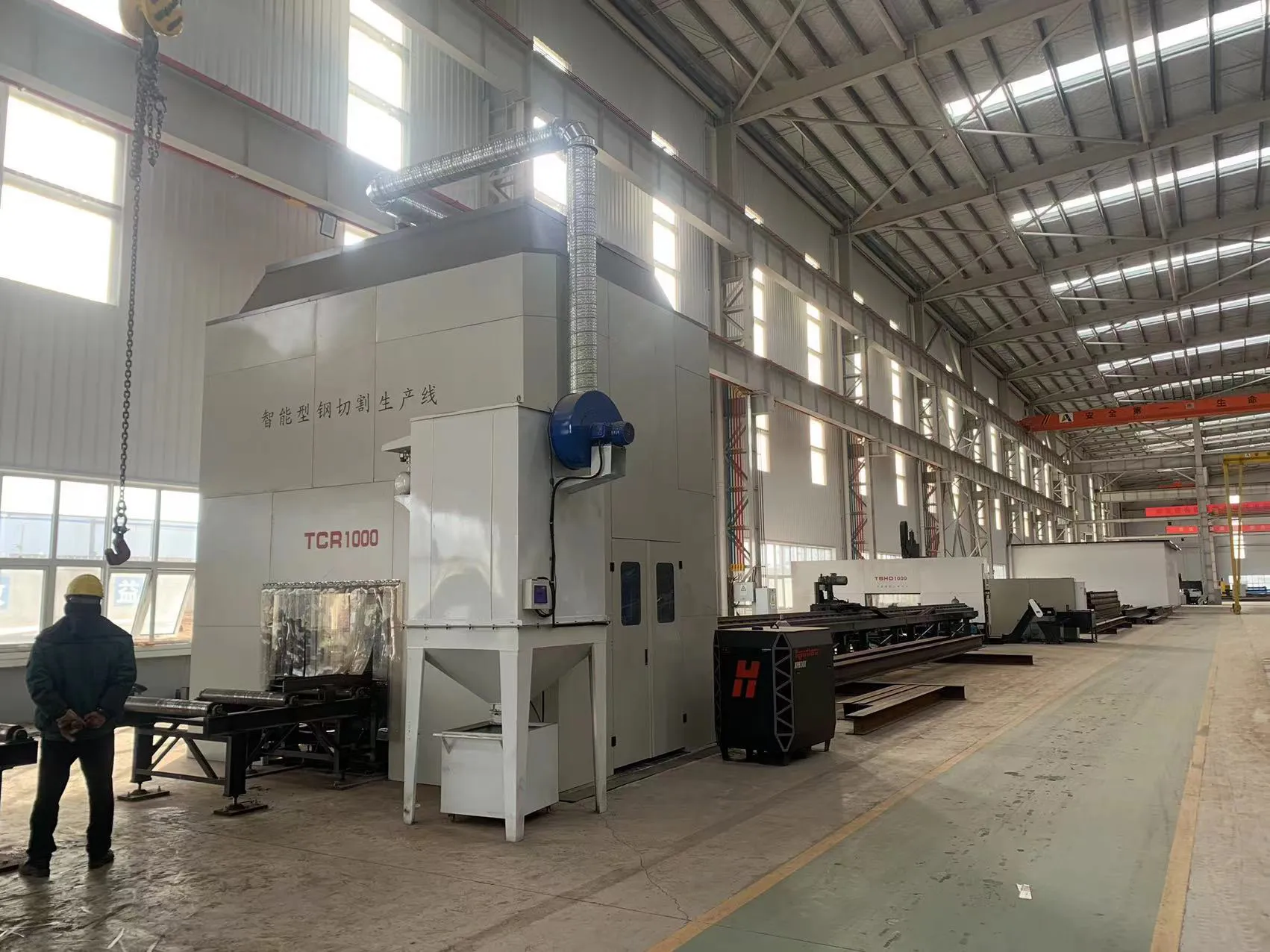
Technical Specifications and Optimization for 6kW Systems
The Role of Assist Gases
In 6kW laser cutting, the choice of assist gas is critical for brass. Nitrogen is the most common choice for “clean cutting.” By using high-pressure nitrogen (typically 10 to 20 bar), the molten brass is mechanically expelled from the kerf before it can react with atmospheric oxygen. This prevents oxidation and leaves a bright, golden edge. Conversely, oxygen can be used for thicker sections to add exothermic energy to the process, though this results in a darkened, oxidized edge that may require cleaning.
Focus Position and Nozzle Selection
Optimizing a 6kW laser for brass requires precise control over the focal point. Because brass is dense, the focus is often set slightly below the surface of the material to ensure the energy is distributed through the entire thickness of the plate. Specialized “anti-reflection” nozzles are also employed. These nozzles are designed to minimize the impact of any stray reflections on the cutting head’s protective window. For Leon-based technicians, mastering the relationship between nozzle diameter, gas pressure, and focal position is the key to maximizing the 6kW output.
Economic Advantages for Leon Manufacturers
Investing in a 6kW fiber laser cutting machine offers a compelling Return on Investment (ROI) for Leon’s metalworking shops. The primary economic driver is the reduction in “cost per part.” While the initial capital expenditure for a 6kW system is higher than lower-power alternatives, the exponential increase in cutting speed—especially in brass and aluminum—means more parts are produced per hour.
Furthermore, fiber lasers are significantly more energy-efficient than CO2 lasers, boasting wall-plug efficiencies of over 30%. This translates to lower electricity bills, which is a vital consideration for sustainable manufacturing in Leon. The lack of moving parts in the laser source and the absence of expensive mirrors (which require frequent alignment) further reduce maintenance costs and downtime, allowing for 24/7 production cycles.
Maintenance Protocols for High-Power Fiber Lasers
To maintain peak performance when laser cutting brass, a strict maintenance schedule must be followed. The most critical component is the cutting head’s protective window. Even small amounts of brass dust or “splatter” during the piercing process can cause the window to heat up and eventually crack under the 6kW beam. Daily inspections and cleaning in a “clean-room” environment are mandatory.
Additionally, the chiller system must be monitored closely. A 6kW laser generates substantial heat within the resonator and the cutting head. Any fluctuation in coolant temperature can lead to beam instability and a decrease in cut quality. For shops in the warmer climate of Leon, ensuring that the chiller is appropriately rated for the ambient temperature is essential for consistent operations during summer months.
The Future of Laser Cutting in Leon
As Industry 4.0 takes hold in Leon, 6kW fiber laser cutting machines are being integrated into fully automated ecosystems. This includes automated loading and unloading systems and software that uses AI to optimize nesting patterns, reducing brass scrap to a minimum. The ability to cut brass with such high efficiency is opening new doors for local manufacturers to export components to international markets, where quality standards are exceptionally high.
The transition to 6kW power represents a milestone in the capability of Leon’s industrial base. By overcoming the inherent challenges of reflective materials through superior optics and high-power density, these machines have redefined what is possible in brass fabrication. Whether it is for intricate jewelry-scale components or heavy-duty industrial valves, the 6kW fiber laser remains the gold standard for precision, speed, and reliability in the modern era.
Conclusion
In conclusion, the 6kW fiber laser cutting machine is a transformative tool for the Leon manufacturing sector, particularly when processing challenging materials like brass. Its ability to combine high-speed throughput with extreme precision addresses the core needs of the automotive, decorative, and electrical industries. By understanding the technical nuances of back-reflection management, gas dynamics, and maintenance, Leon-based businesses can leverage this technology to achieve unprecedented levels of productivity and edge quality. As the region continues to grow as an industrial leader, the 6kW fiber laser will undoubtedly remain at the forefront of its manufacturing excellence.
















